

Canada
Canada spans an immense and diverse landscape, offering experiences that range from cosmopolitan city life to some of the most pristine wilderness on Earth.
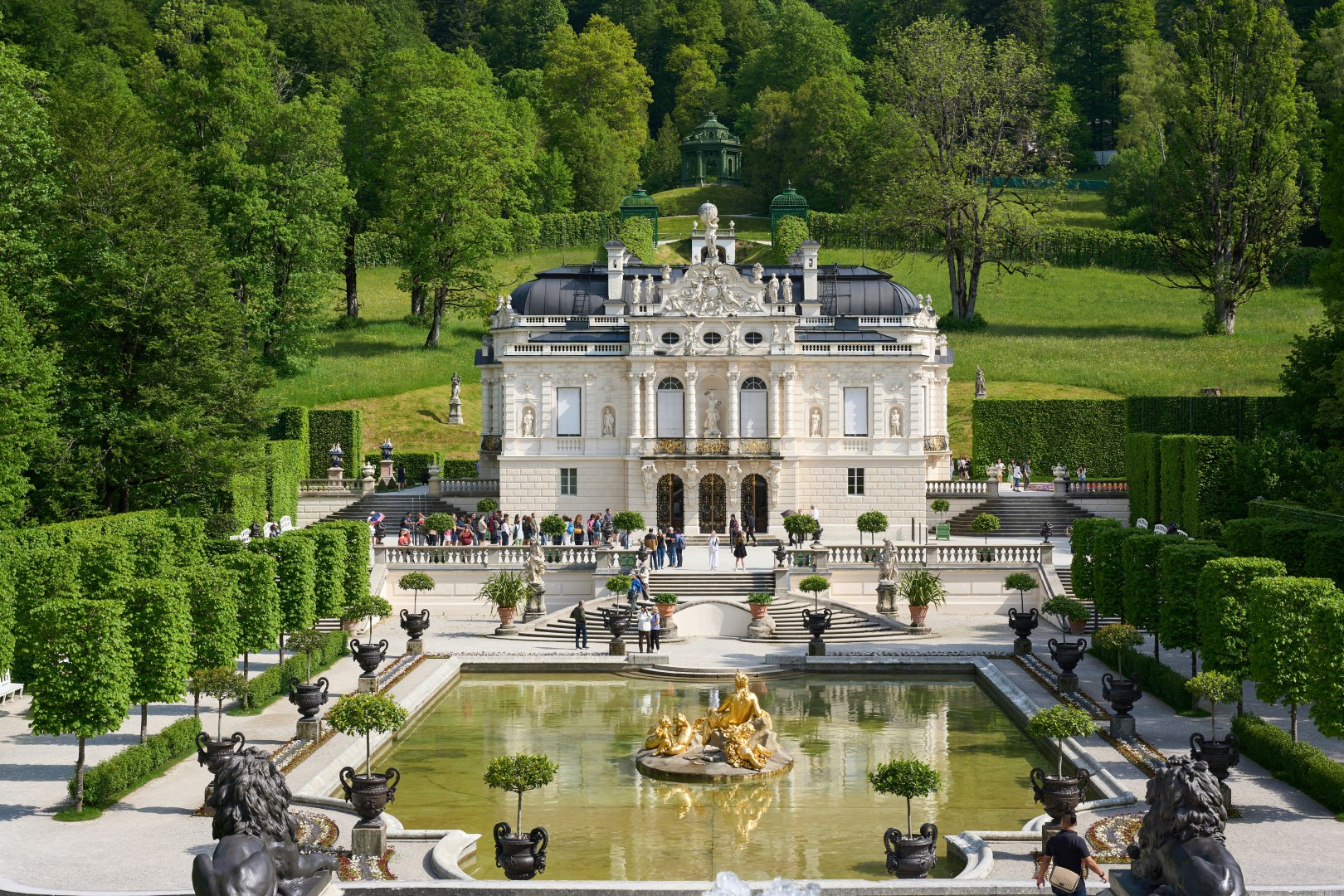
Linderhof
Linderhof is a palace complex in Bavaria, Germany, located in the secluded Graswang Valley near Ettal and surrounded by the mountains and forests of the Ammergau Alps.

Antarctica
No place on Earth quite compares to Antarctica, this stunning and vast continent is cold and windy, containing 90% of the ice in the world. Those who brave a visit here are rewarded with beautiful glaciers that must be seen to be believed, and a vast array of wildlife such as whales, penguins, Arctic foxes and seals.

Ol Doinyo Lenga
Ol Doinyo Lengai, often called the "Mountain of God," is an active volcano located in northern Tanzania and is a must-visit for adventurous travelers. Towering over the Great Rift Valley, this majestic peak is unique due to its lava composition. Unlike most volcanoes that produce molten lava, Ol Doinyo Lengai emits natrocarbonatite lava, which is unusually cool and flows like water. This rare phenomenon makes it one of the most intriguing volcanic landscapes on Earth.
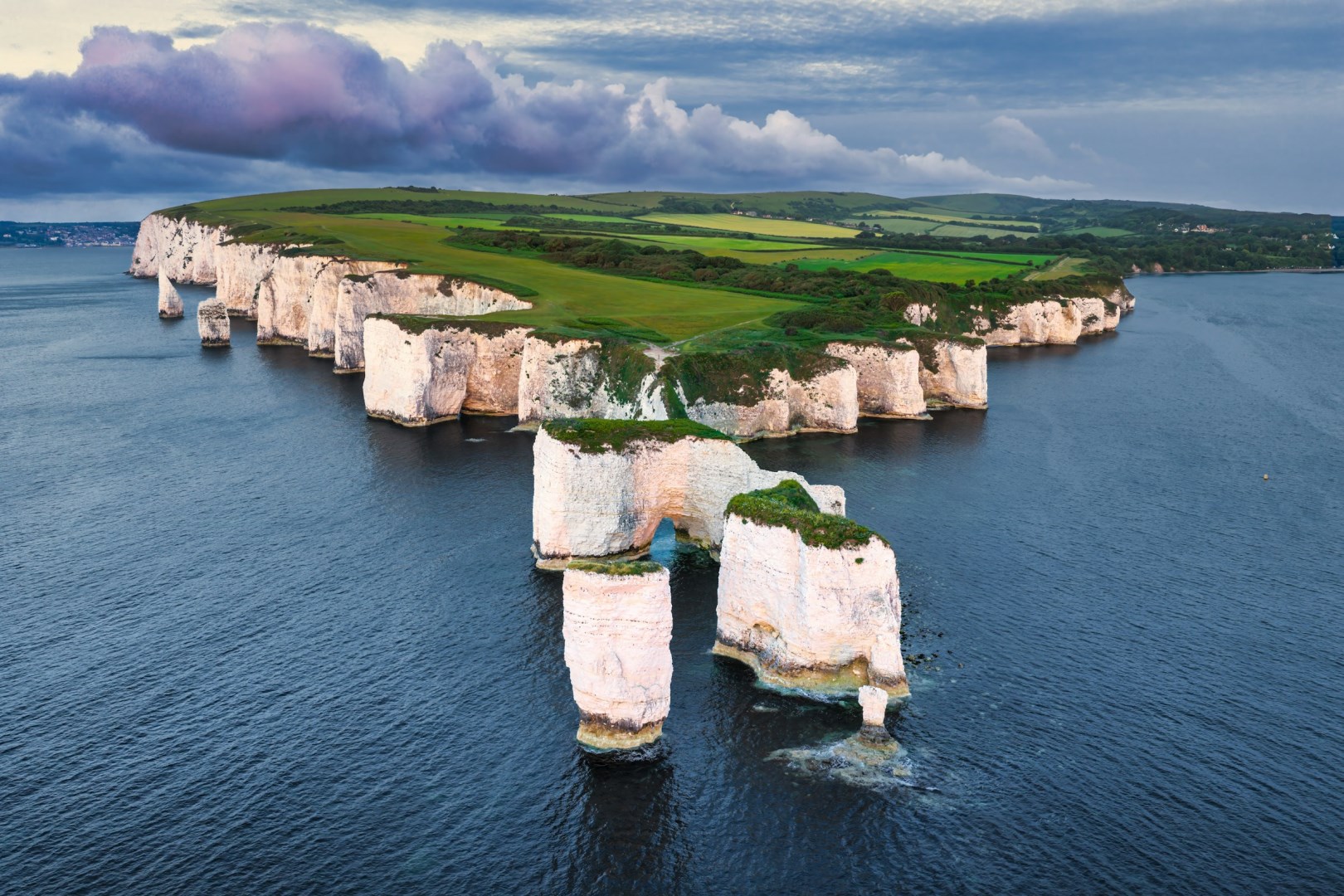
Jurassic Coast
The Jurassic Coast, a UNESCO World Heritage Site, is a breathtaking stretch of England’s southern coastline that spans 95 miles from Exmouth in Devon to Studland Bay in Dorset. It is renowned for its dramatic cliffs, stunning beaches, and incredible geological history, offering visitors the chance to explore 185 million years of Earth’s evolution.
