

Bulgaria
Bulgaria is a republic in southeastern Europe. The capital and largest city is Sofiya. Bulgarian culture has been influenced successively by Byzantine, Greek, Russian, and Western cultures.
Mykines
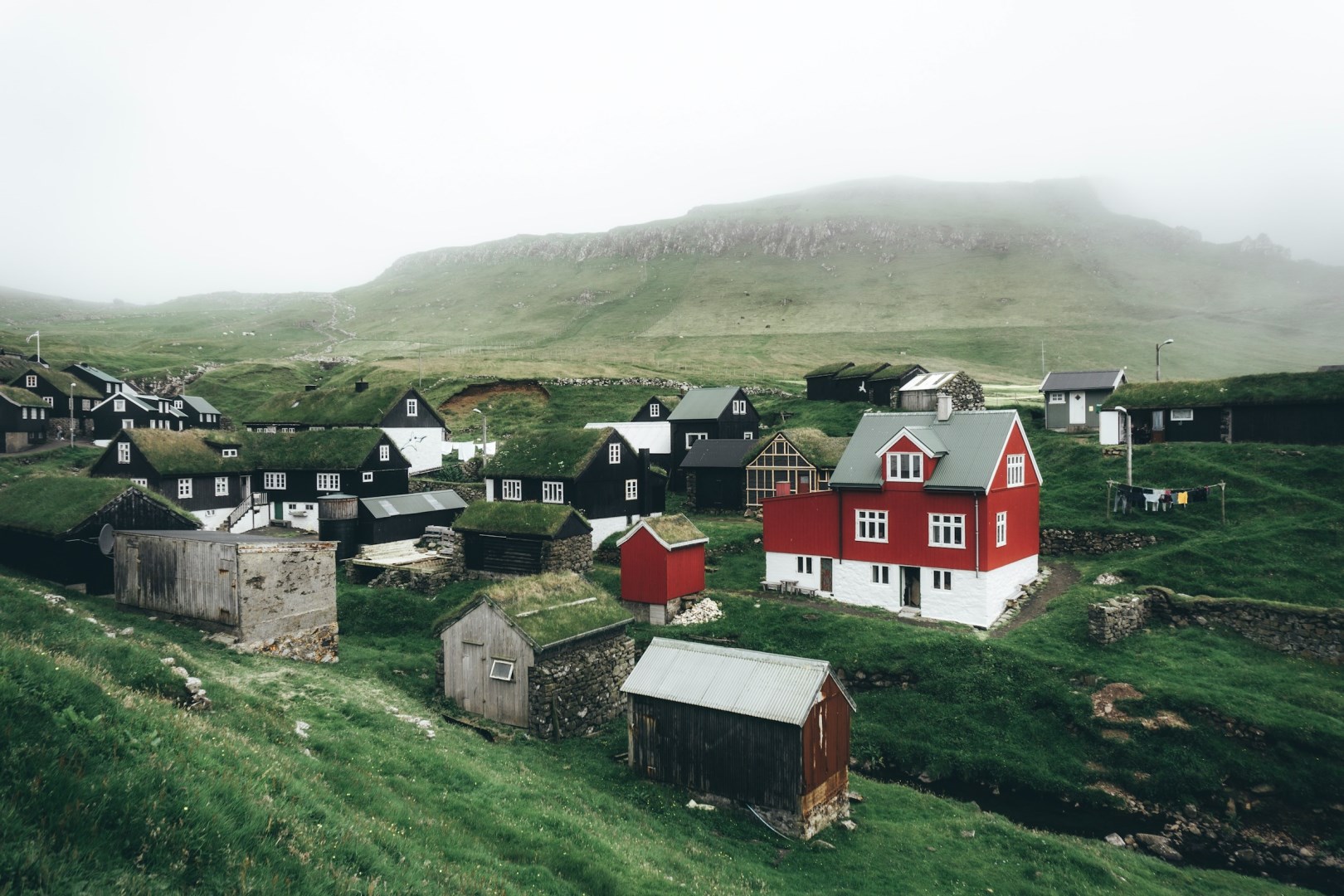
Mykines is the westernmost of the main islands of the Faroe Islands, separated from Vágar by the narrow Mykinesfjørður strait. The island is known for steep mountains, grassy slopes, sea cliffs, and a small settlement of the same name on its southern side. Mykines village consists of traditional houses clustered around narrow lanes, with sheep grazing on the surrounding hillsides.
Alberobello
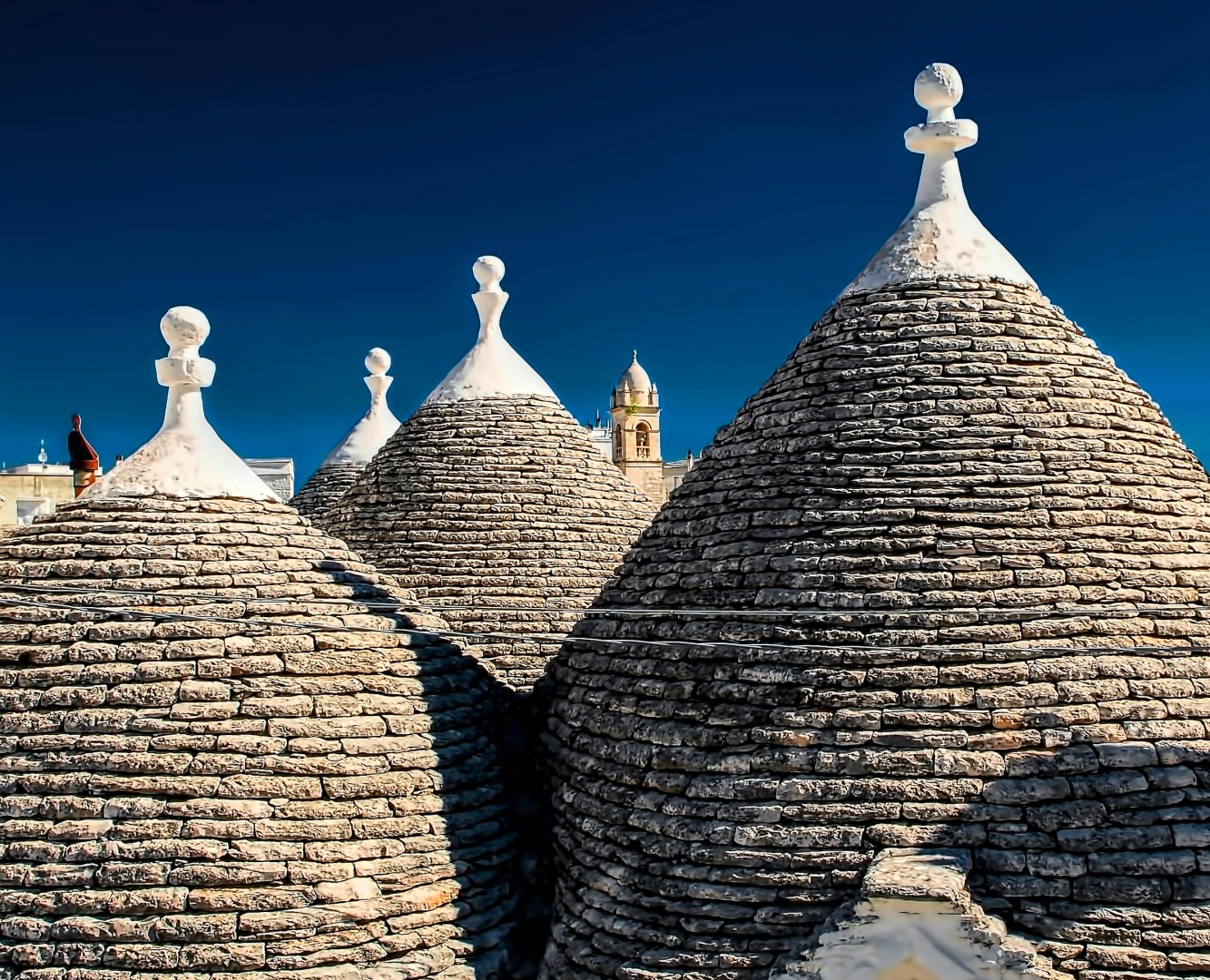
Alberobello in southern Italy’s Puglia region captures the imagination with its distinctive trulli houses. These structures were built using a dry-stone technique passed down over centuries, without mortar or cement, and their unique form comes from layer upon layer of limestone nestled from nearby fields. Alberobello’s trulli are so remarkable that in 1996 the historic center was inscribed as a UNESCO World Heritage Site, where more than 1,600 of these buildings still stand.
Bozcaada
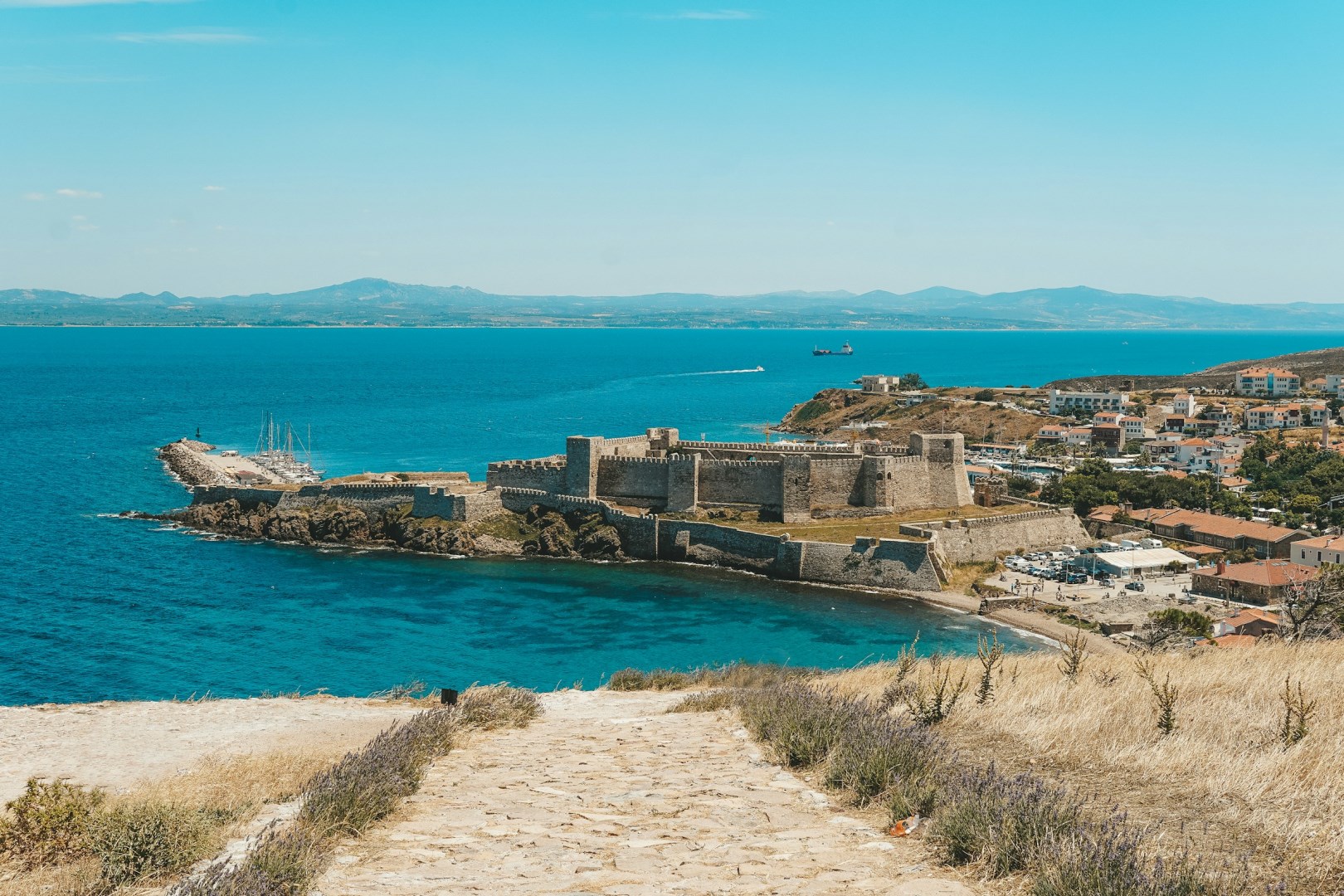
Bozcaada is a small Turkish island in the northeastern Aegean, off the coast of Çanakkale and near the entrance to the Dardanelles. Formerly known as Tenedos, it is Turkey’s third-largest island and is known for its whitewashed houses, narrow streets, vineyards, and windswept coastline. The harbor is dominated by Bozcaada Castle, while the old town extends behind the waterfront with cafés, shops, and traditional houses.
YEOSU
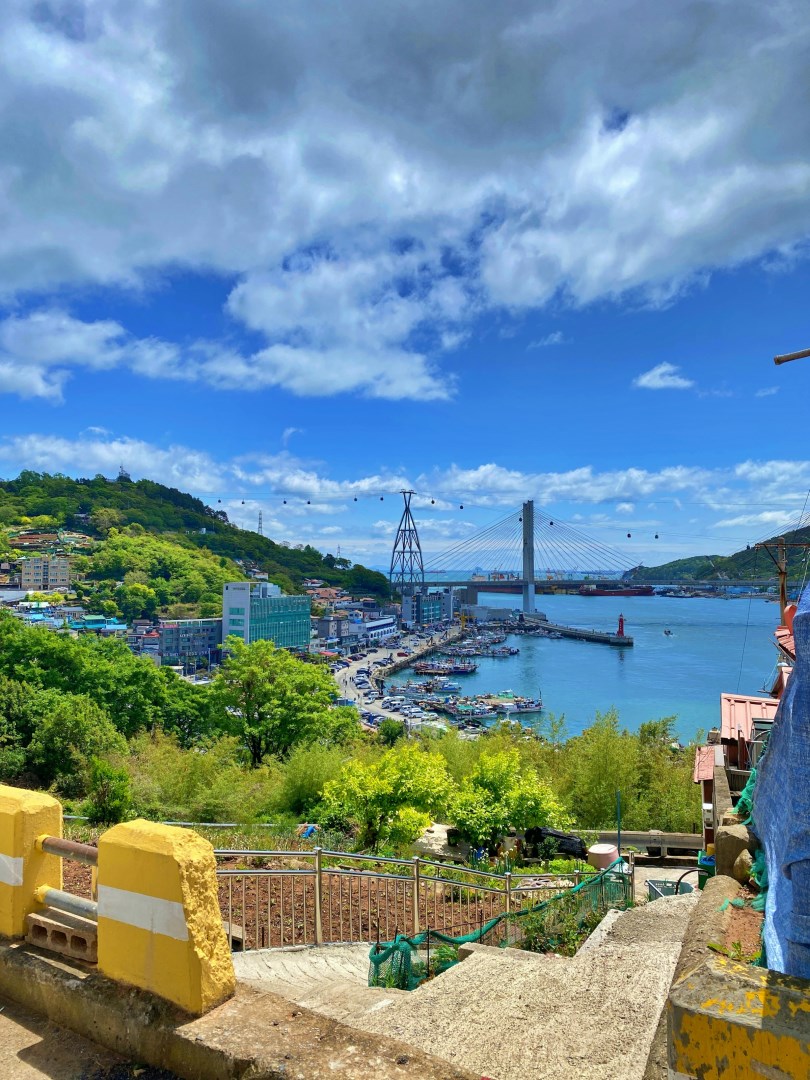
Yeosu is a coastal city in South Jeolla Province, spread across a peninsula and numerous islands along Korea's southern coast. Its geography is defined by sheltered bays, rocky shorelines, wooded hills, and the waters of the Korea Strait. The city is known for its maritime setting, seafood, island communities, and coastal viewpoints.
