
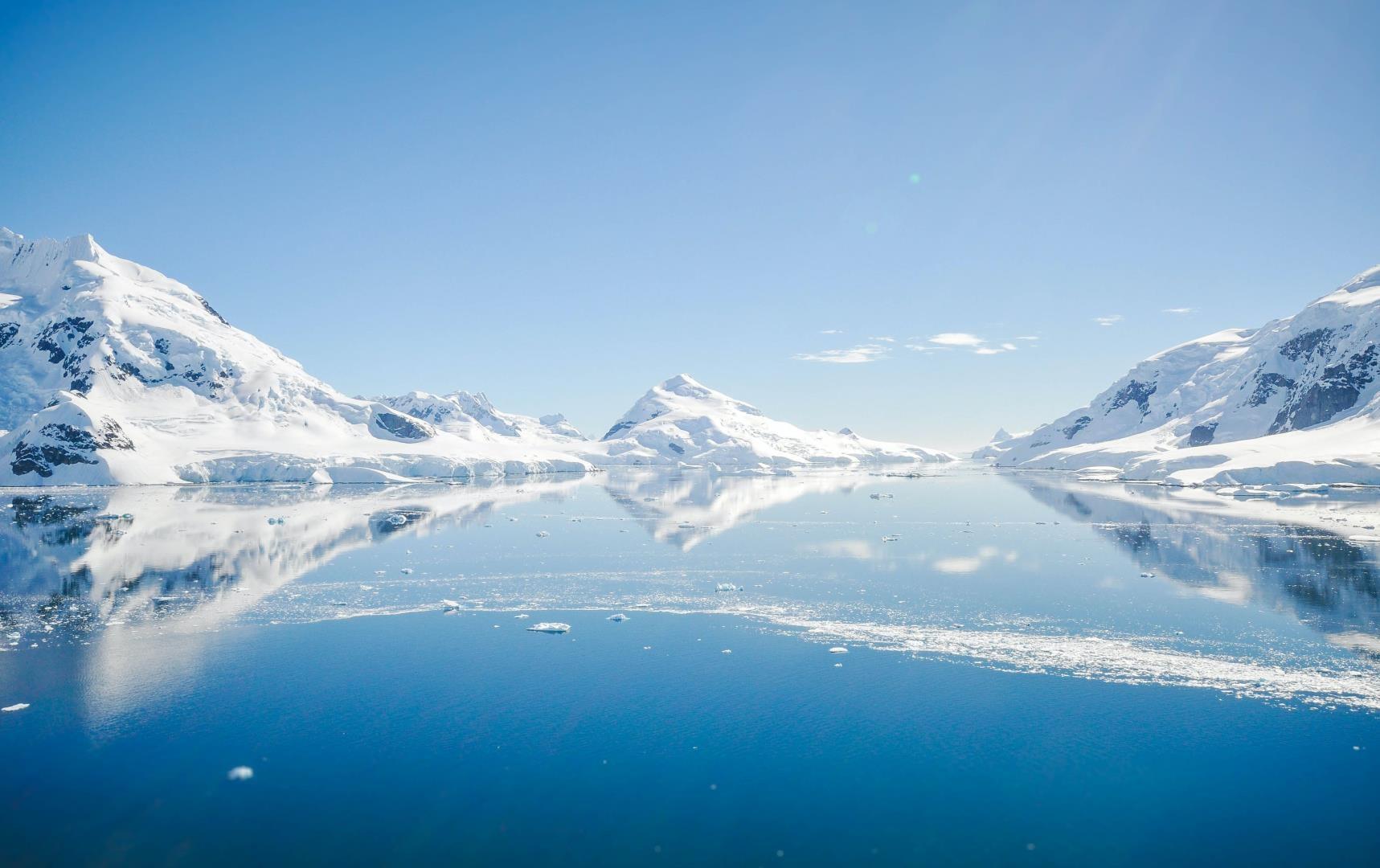
South Shetland Islands
Mist, research stations, and penguins are just a few of the things that define the South Shetland Islands, an archipelago off the coast of Antarctica. These 11 Antarctic islands, most notably King George Island, have served as a base for researchers from Chile, Argentina, and a variety of other countries. The archipelago has also become a popular cruise destination for tourists to the Antarctic region.
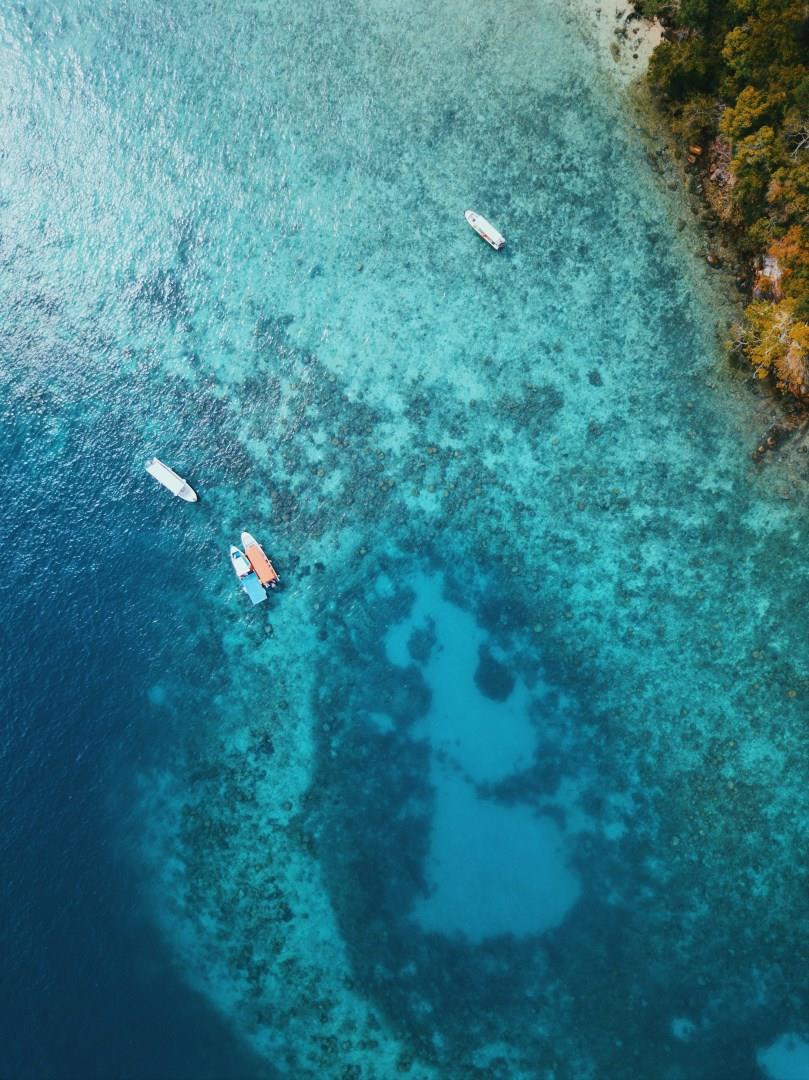
Kota Kinabalu (Borneo)
Kota Kinabalu, the capital of Sabah on the island of Borneo, is a vibrant city where modern life meets wild landscapes. Overlooking the South China Sea and backed by lush rainforests and mountains, it serves as both a cultural hub and a gateway to Borneo’s extraordinary biodiversity.

Doubtful Fjord
Doubtful Fjord (Doubtful Sound) is a large fjord in southwestern New Zealand, in the same region as the smaller but better known Milford Sound. It is home to an unusually large population of bottlenose dolphins, as well as a variety of birds, fur seals, penguins, and often even humpback whales.
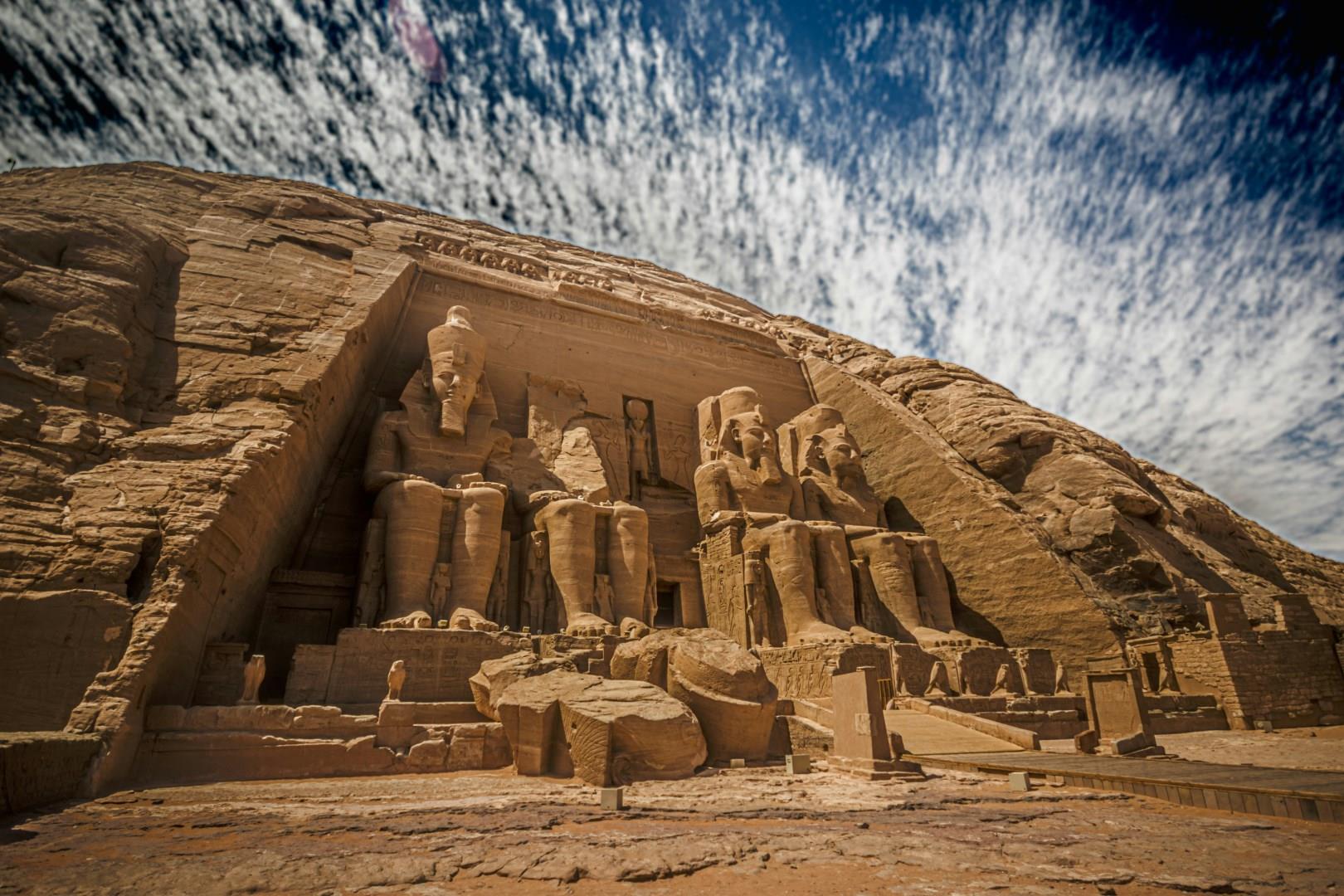
Abu Simbel
Abu Simbel, in southern Egypt near the border with Sudan, is one of the most awe-inspiring archaeological sites of the ancient world. Built during the reign of Pharaoh Ramses II in the 13th century BCE, the twin temples were carved directly into the sandstone cliffs overlooking the Nile. The Great Temple, with its four colossal statues of Ramses II seated at the entrance, was designed not only to honor the pharaoh but also to project his power to neighboring Nubia.
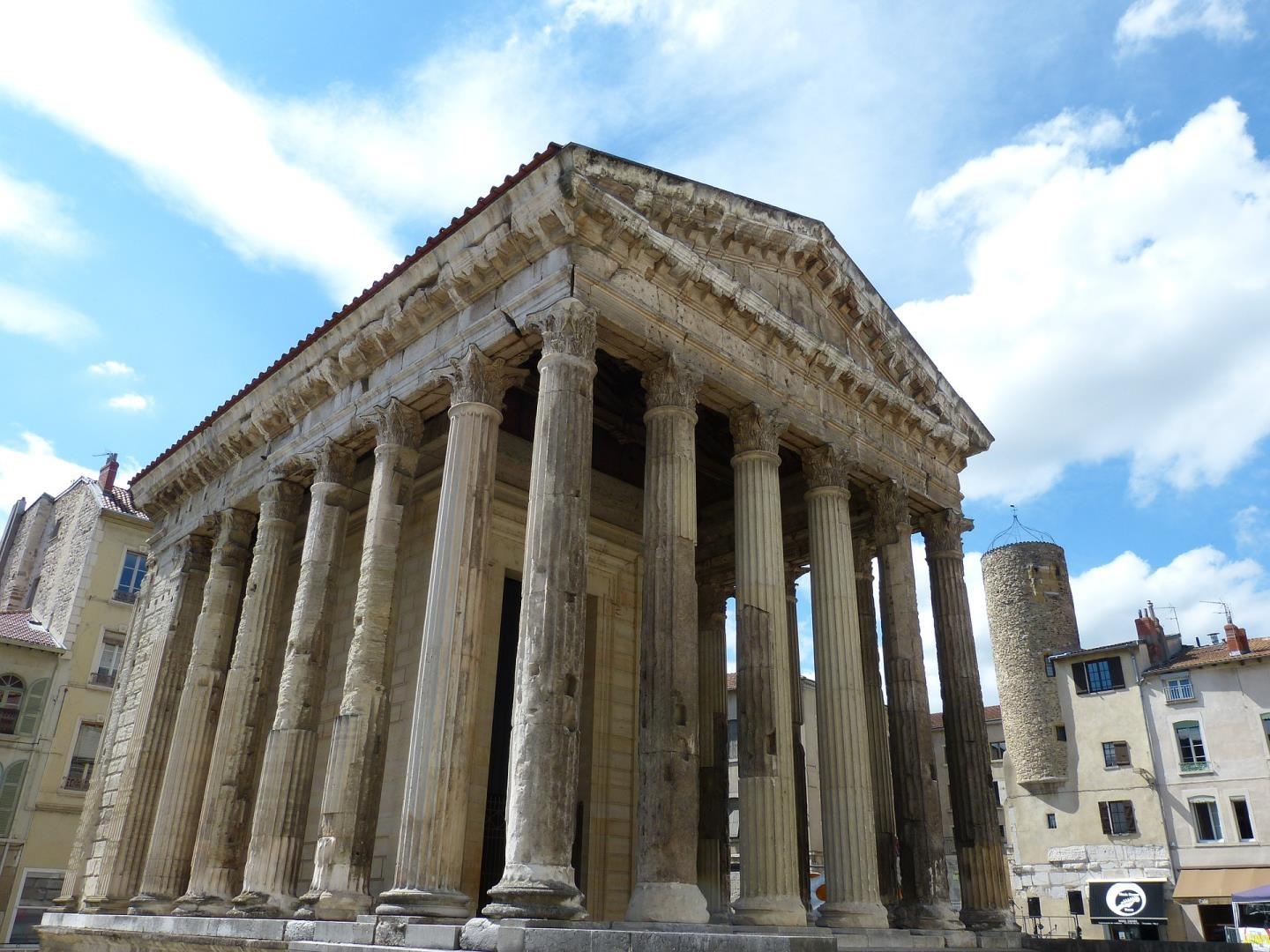
Vienne
Vienne, France sits along the wide bend of the Rhône River in southeastern France, where stone bridges, riverbanks, and steep hills shape the view from nearly every angle. The old town is filled with narrow streets that open suddenly into squares lined with cafés and small shops. One of the most striking sights is how Roman ruins appear in unexpected places, blending into daily life rather than standing apart as distant monuments.
