

Warsaw
Warsaw stands as one of Europe’s most resilient cities, having rebuilt itself almost entirely after World War II. The Old Town, meticulously reconstructed using paintings by Italian artist Bernardo Bellotto, feels centuries old but is, in fact, less than a hundred years in its current form. Behind the medieval facades lie stories of uprisings, resistance, and quiet defiance. Visitors walking through Castle Square can enter the Royal Castle, where Poland’s Constitution of May 3, 1791 was adopted.
Jacksonville
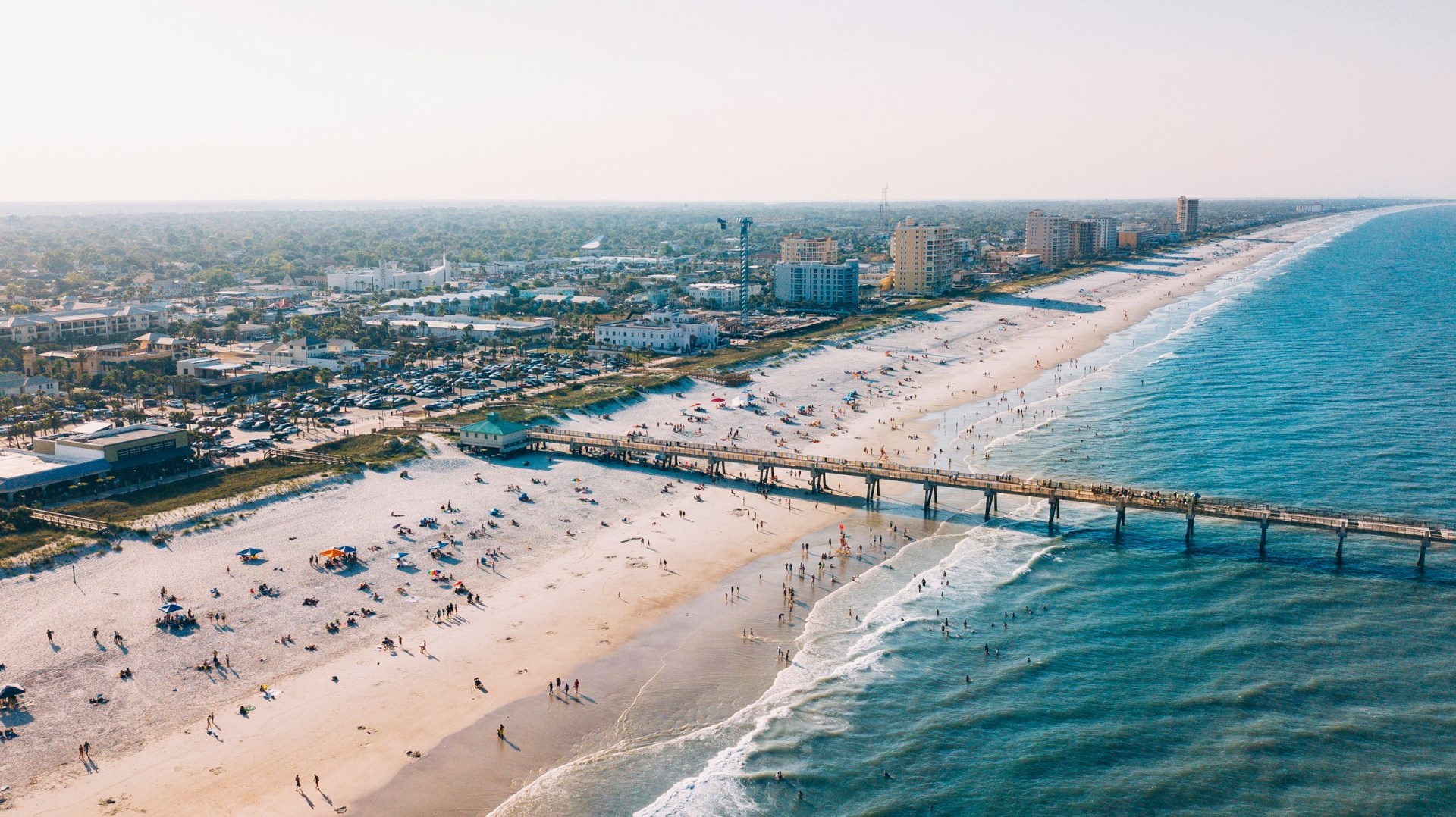
Take a trip to Jacksonville for the stunning beaches along the Atlantic coast, seafood and southern classics of the culinary landscape. Check out Riverside Arts Market, and maybe even the Cummer Museum for a taste of art and history. Kayak through the scenic waterways or catch a Jaguars game to get that adrenaline going. Jacksonville is Florida through and through and is begging for a visit!

Macon
Macon, Georgia, known as the “Heart of Georgia,” offers a blend of historic charm and Southern hospitality. Begin your exploration at the Ocmulgee Mounds National Historical Park, where ancient Native American earthworks provide a glimpse into the rich cultural heritage of the region. The park’s expansive grounds and museum showcase artifacts from the Mississippian period, offering a fascinating look at the early inhabitants of the area.

Cochem
Along the banks of the Moselle River, Cochem is a charming village known for Reichsburg castle as well as its old town, with its half-timbered houses.
San Clemente
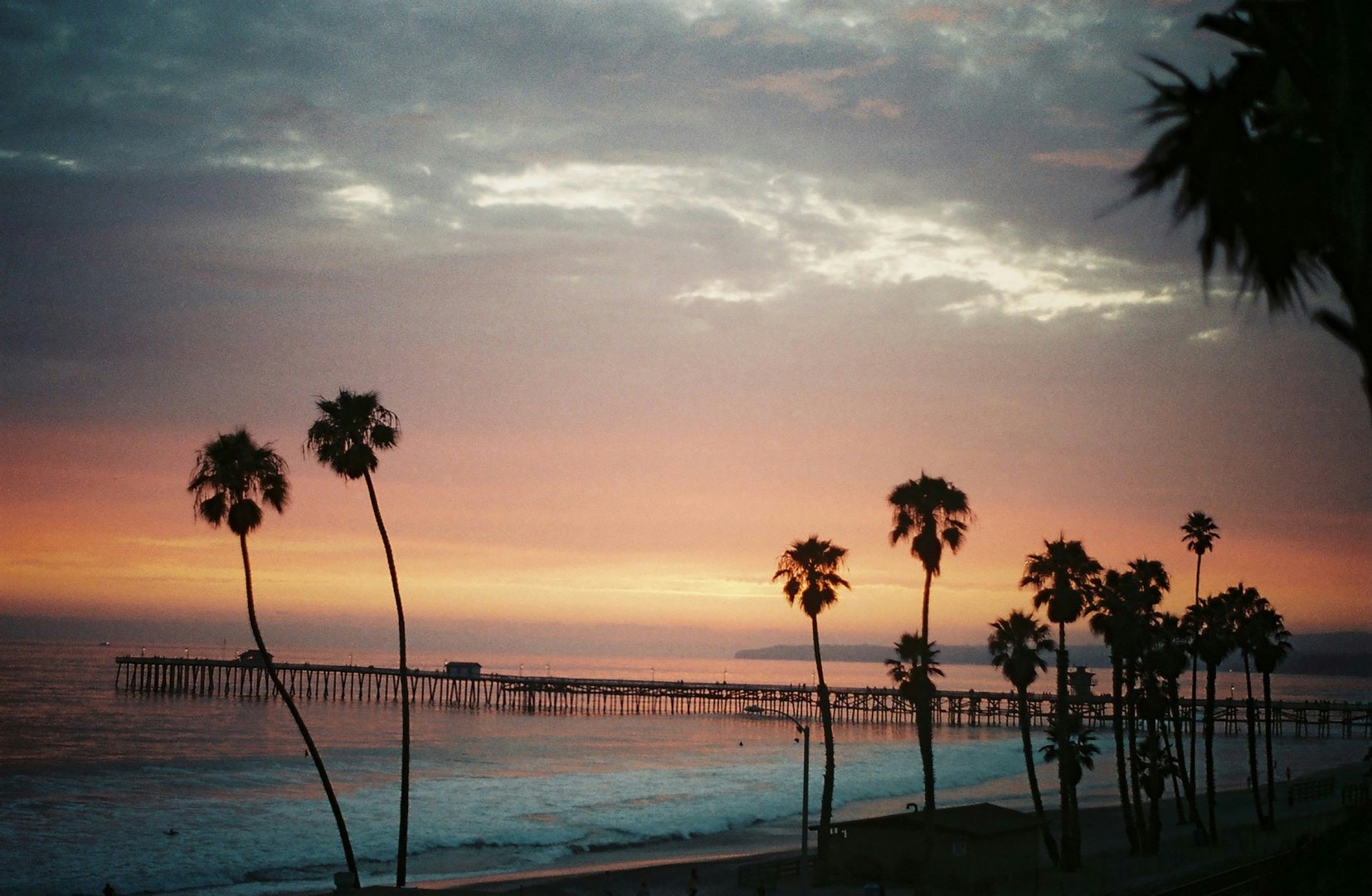
San Clemente is a coastal city in Southern California, situated along the Pacific Ocean in southern Orange County between Los Angeles and San Diego. The city is known for its sandy beaches, coastal bluffs, Spanish-inspired architecture, and views across the ocean. Its compact downtown and historic district are connected to the waterfront by streets and trails, while residential neighborhoods extend into the surrounding hills.
