
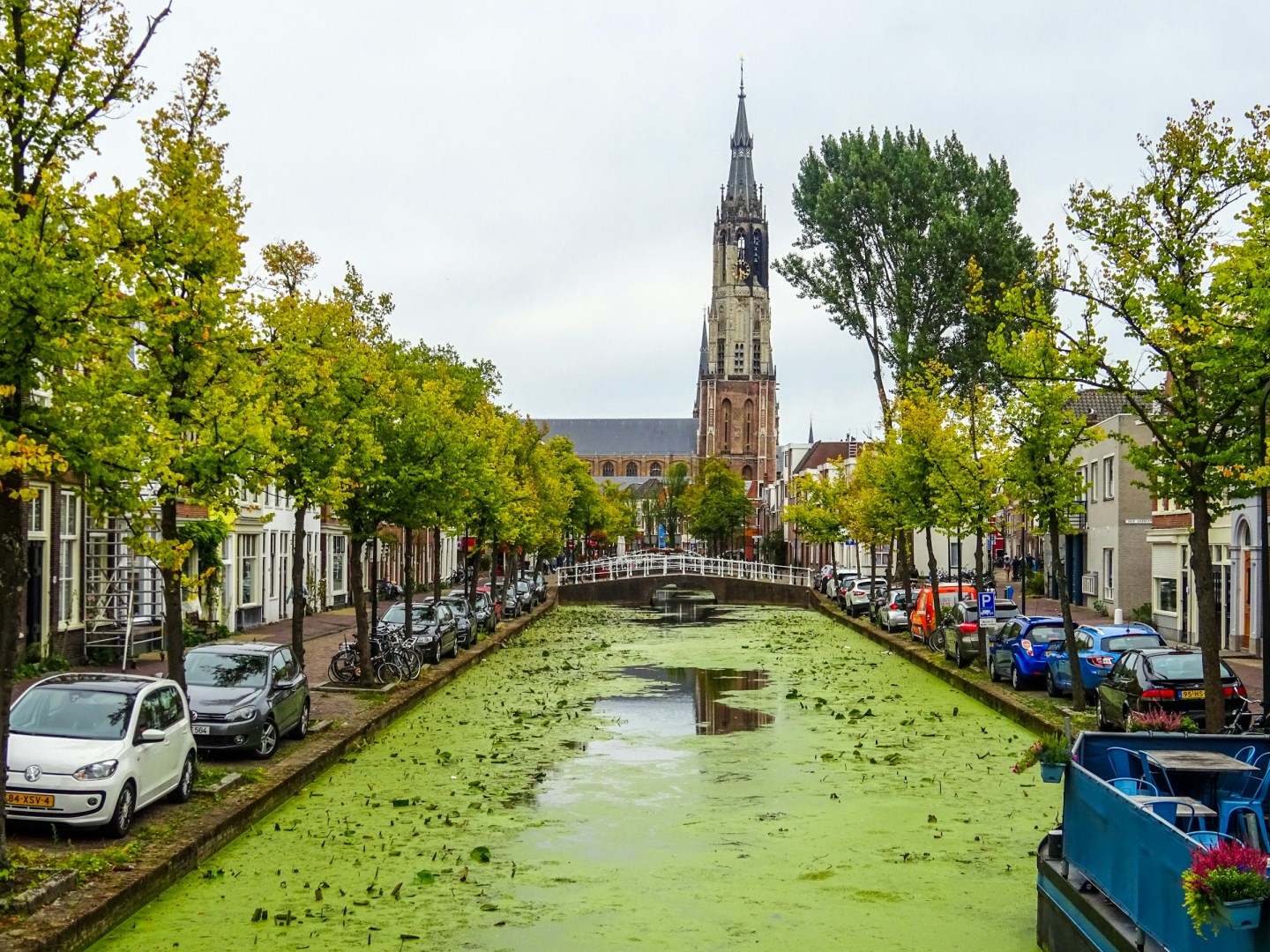
Delft
Delft is a historic city in the Dutch province of South Holland, situated between The Hague and Rotterdam and shaped by a network of canals and waterways. Its compact center contains narrow streets, brick houses, bridges, and quiet squares, with the Markt serving as a central public space. The Nieuwe Kerk rises on the eastern side of the square, while the Oude Kerk, recognizable by its leaning tower, stands beside one of Delft’s oldest canals.
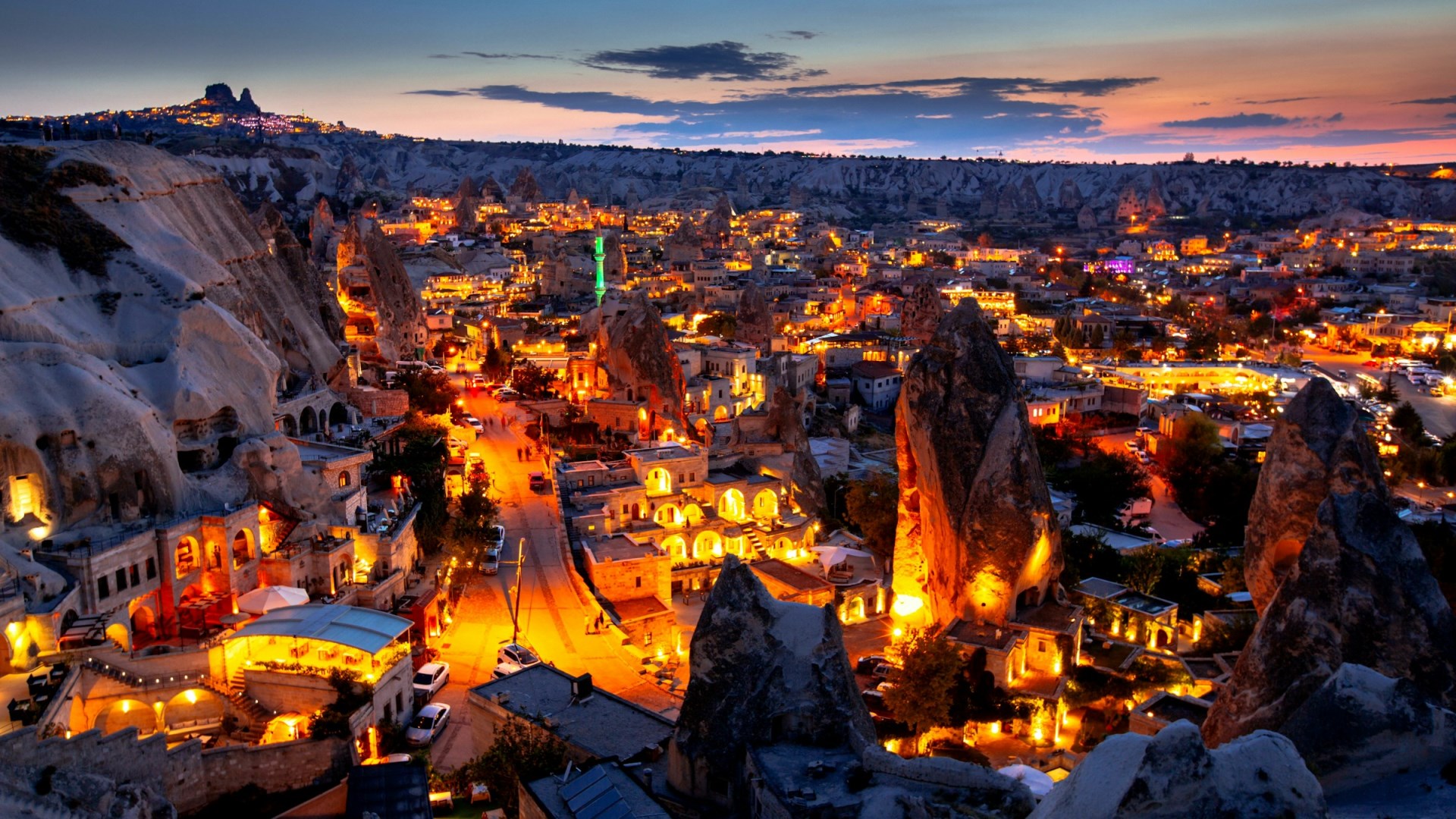
Göreme
Göreme is a small town in Türkiye's Cappadocia region, surrounded by a landscape of volcanic rock formations, valleys, and distinctive fairy chimneys. The soft tuff rock was shaped by erosion into pillars, cliffs, and sheltered valleys, while people carved homes, churches, storage rooms, and other spaces directly into the rock.
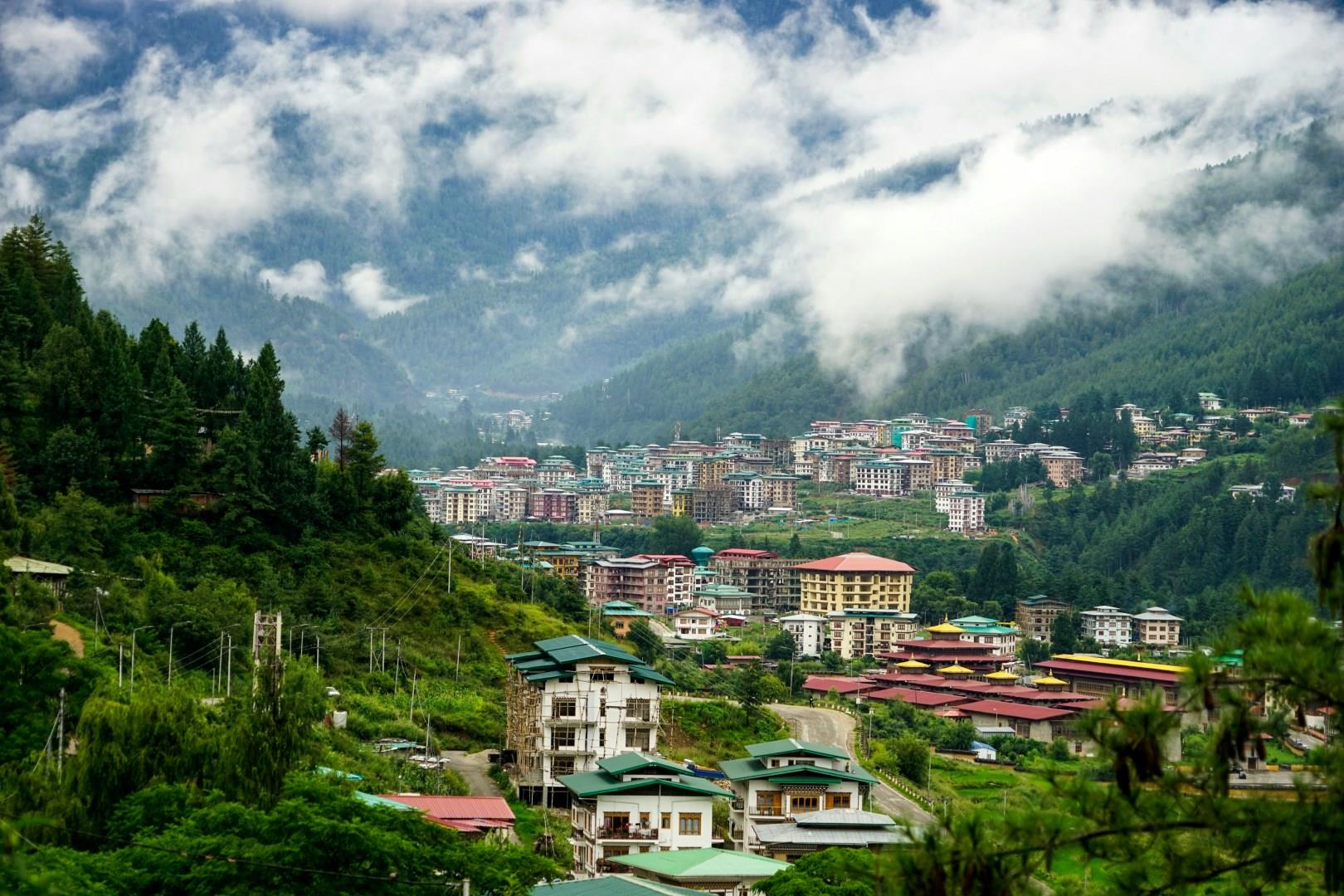
Thimpu
Thimphu, the capital of Bhutan, is a city where tradition and modern life meet in unexpected ways. Streets are lined with traditional Bhutanese architecture, colorful prayer flags, and shops selling handicrafts, while government offices and modern facilities operate alongside centuries-old temples.
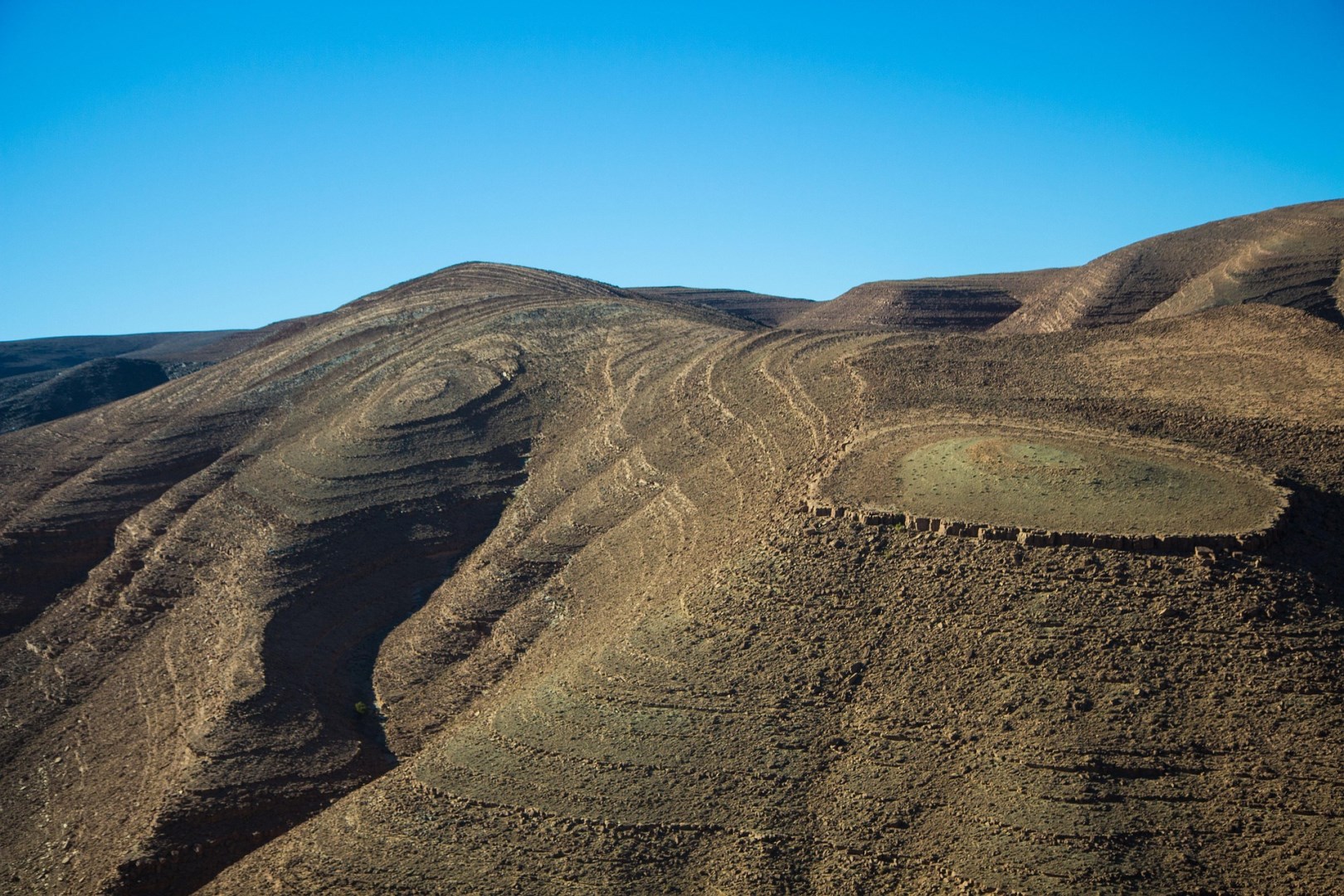
Atlas Mountains
The Atlas Mountains extend across Morocco, Algeria and Tunisia, forming a vast system of ranges between the Mediterranean and Atlantic coasts and the Sahara.
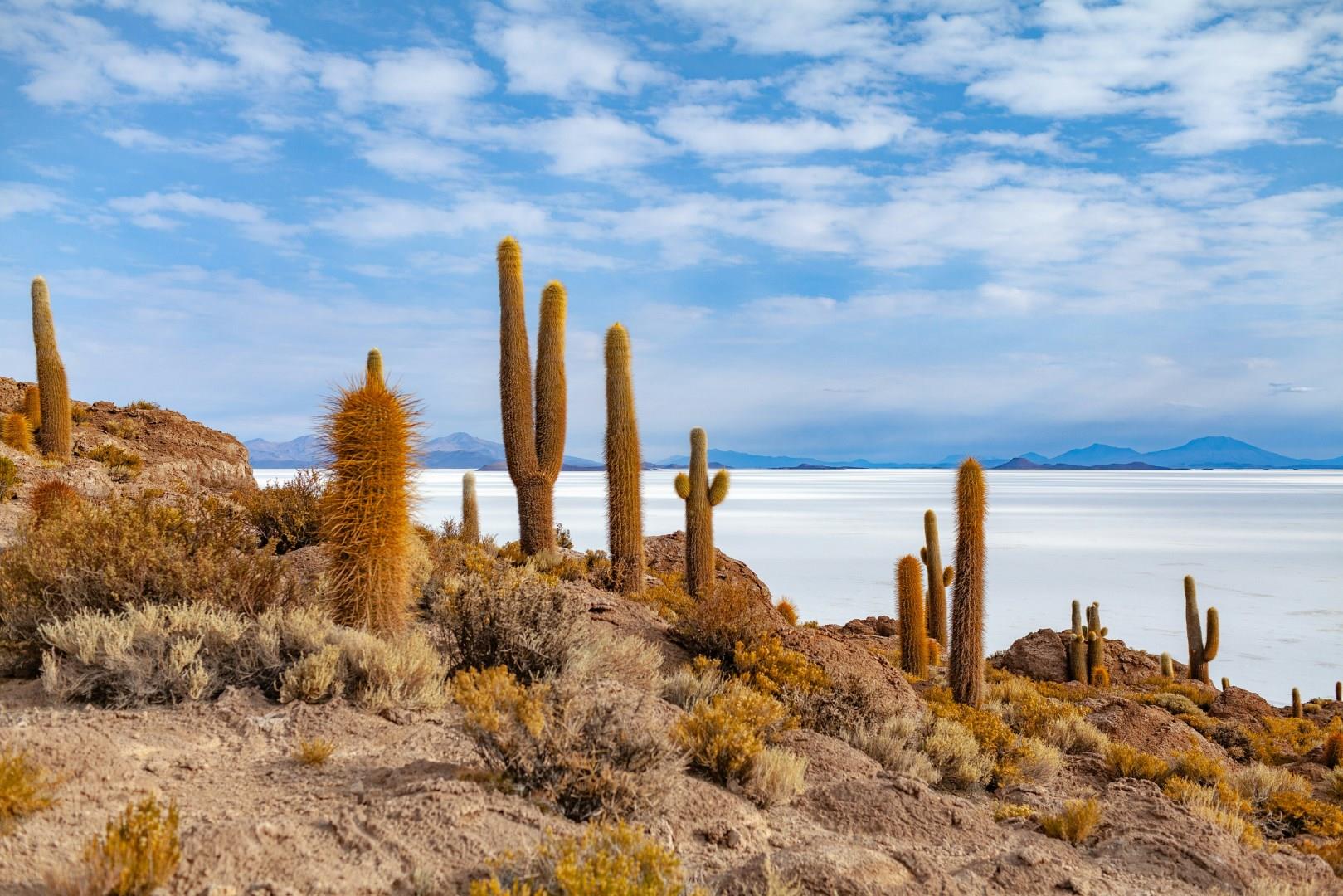
Uyuni
Uyuni, in southwestern Bolivia, is best known as the gateway to the world’s largest salt flat, Salar de Uyuni. Once a humble railway town, Uyuni has grown into a base for travelers drawn to this surreal landscape, where an ancient dried-up lake has left behind a vast expanse of glistening salt crust.
