

El Tunco
El Tunco is a small coastal village in the department of La Libertad, on El Salvador's central Pacific coast. It is named for the distinctive rock formation that sits offshore and is often described as resembling a pig, giving the beach its local name. The shoreline consists of dark volcanic sand, rocky outcrops, and strong Pacific surf, while low hills and tropical vegetation surround the village.

Mount Kenya
Mount Kenya, the majestic volcanic mountain located in central Kenya, is a natural wonder that captivates visitors with its dramatic landscapes and rich biodiversity. As Africa's second-highest peak, standing at 5,199 meters (17,057 feet), Mount Kenya offers an array of trekking routes that lead adventurers through lush forests, alpine meadows, and glacial valleys.
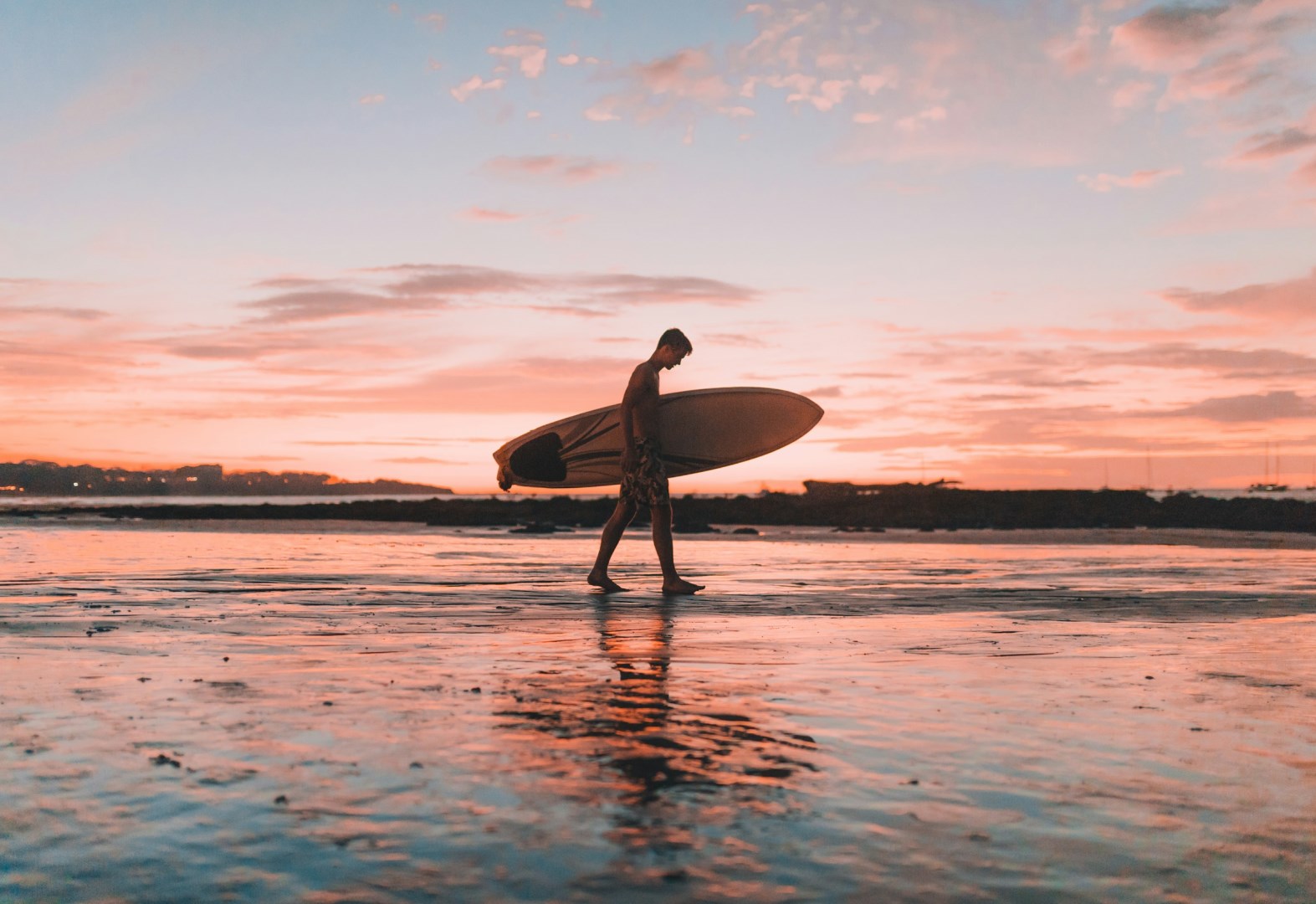
Tamarindo Beach
Tamarindo Beach is a Pacific coastal destination in Guanacaste Province on Costa Rica's northwestern coast. The beach stretches along a broad bay bordered by tropical vegetation, estuaries, and low coastal hills. Tamarindo is part of the Las Baulas Marine National Park area, which protects important coastal and marine habitats nearby.
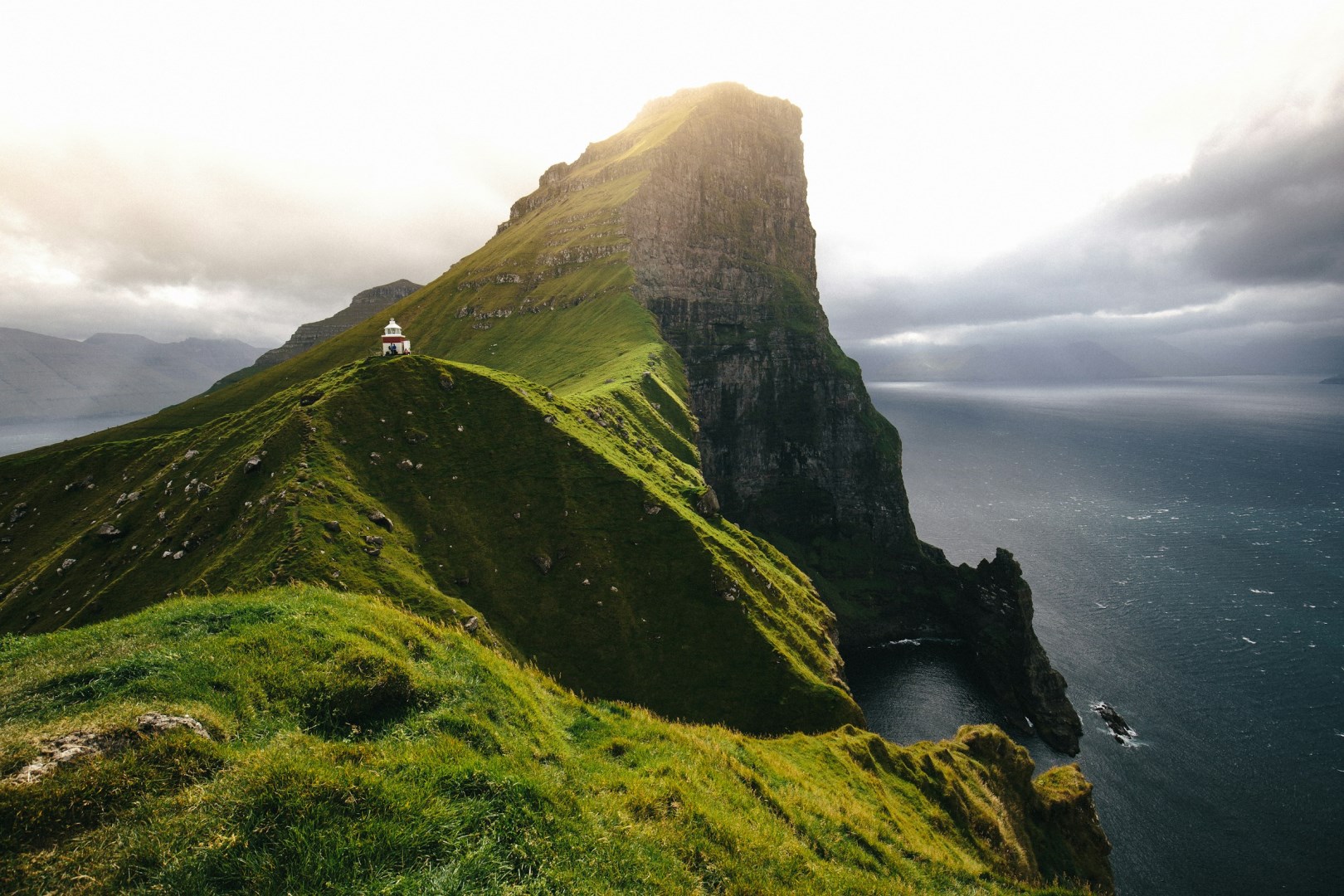
Kalsoy
Kalsoy is a narrow, mountainous island in the northern Faroe Islands, known for its steep eastern cliffs, deep valleys, and small settlements along the western side. The island is reached by ferry from Klaksvík, and its road passes through several short tunnels as it connects the villages of Húsar, Mikladalur, and Trøllanes. Much of Kalsoy remains open pasture and rugged mountain terrain, with the sea visible from almost every part of the island.

Fairbanks
Fairbanks is the largest city in Alaska’s Interior and a major center for the region’s communities, education, transportation, and commerce. Located along the Chena River, it lies north of Denali National Park and south of the Arctic Circle. The city is known for dramatic seasonal changes, including long summer days and extended winter darkness.
