
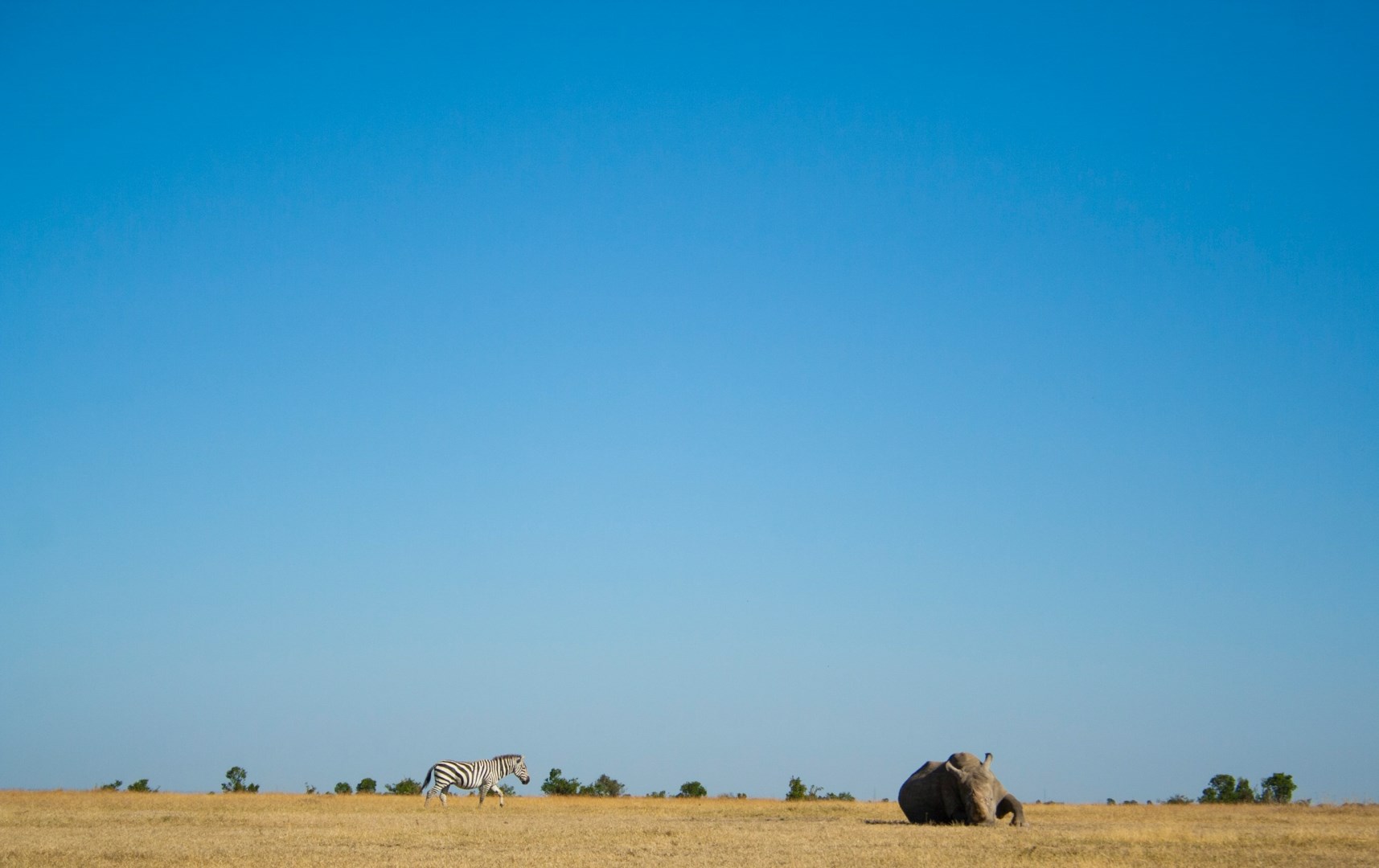
Nanyuki
Nanyuki, located on the equator in central Kenya, is a lively town that serves as a gateway to Mount Kenya and the Laikipia Plateau. Founded by British settlers in the early 20th century, it still carries traces of its colonial past while embodying the energy and diversity of modern Kenya.

Kos
Kos, an enchanting island in Greece’s Dodecanese archipelago, is a gem steeped in both history and natural beauty. Known as the birthplace of Hippocrates, the father of modern medicine, Kos is home to the ancient Asclepeion, a healing temple where Hippocrates taught his students. Visitors can wander through the well-preserved ruins and enjoy sweeping views over the island and the Aegean Sea.
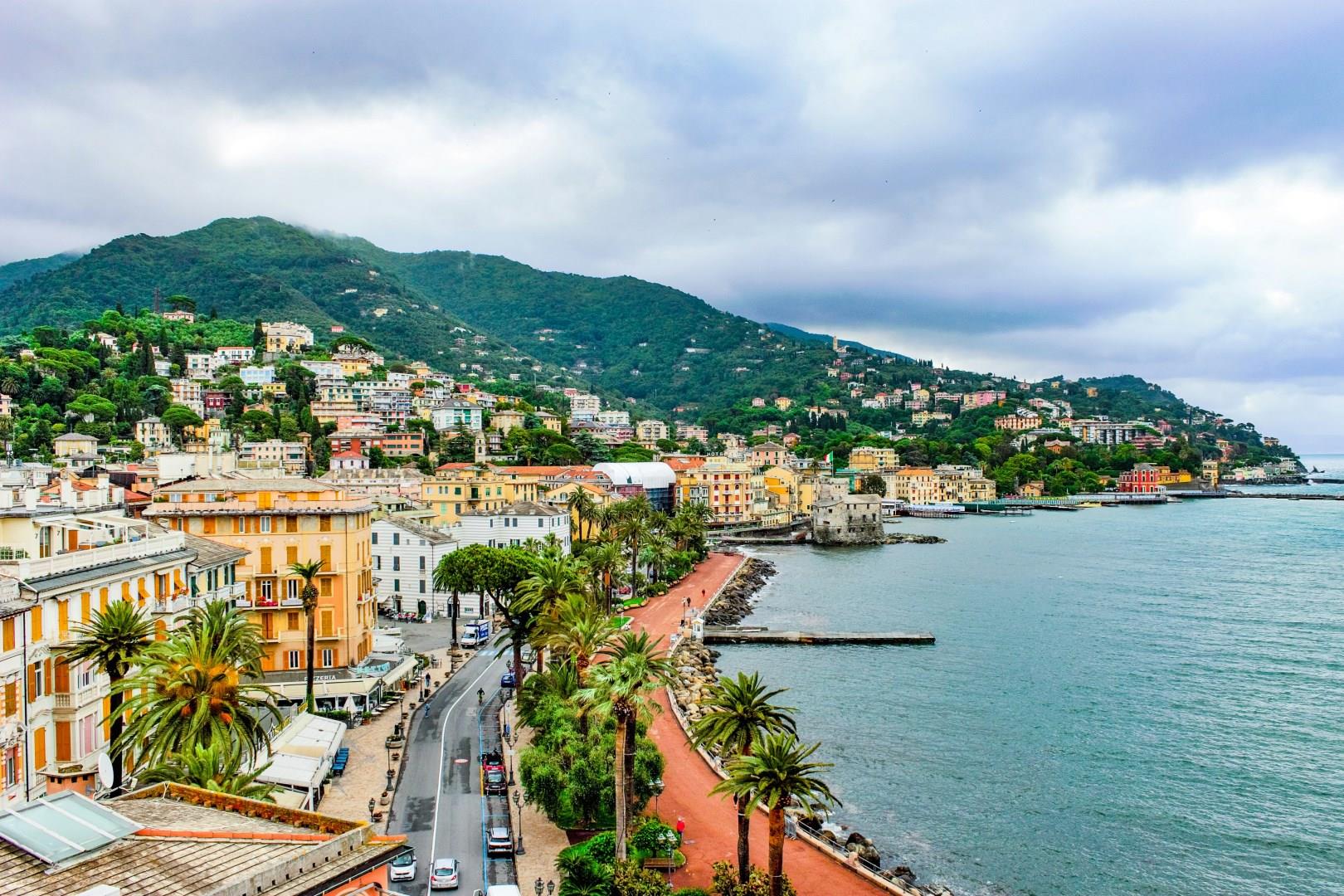
Rapallo
Rapallo, set along Italy’s Ligurian coast between Portofino and Chiavari, is a seaside town that combines history, elegance, and Riviera charm.
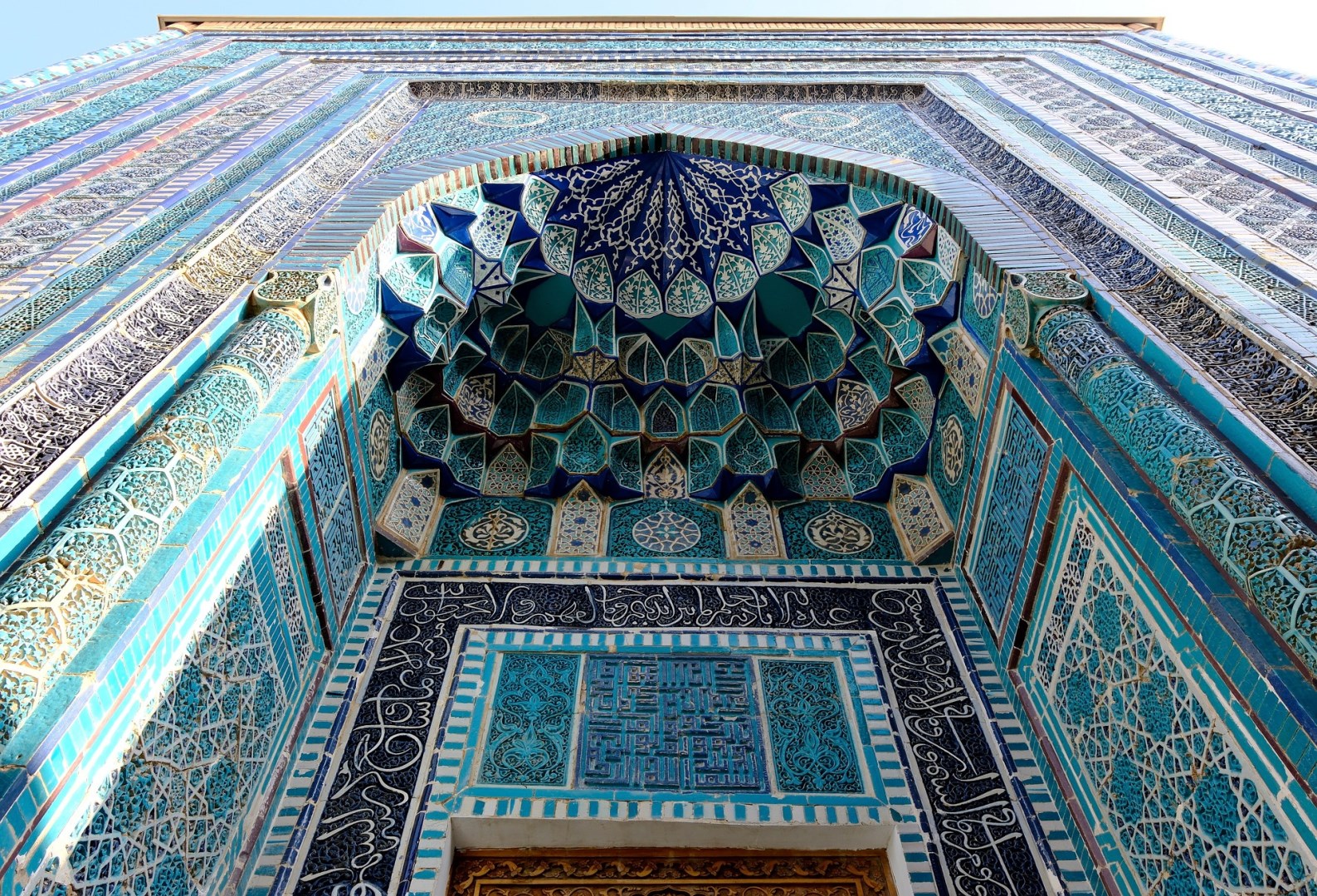
Tashkent
Tashkent, the capital of Uzbekistan, lies at the crossroads of Central Asia and has long been a hub of culture, trade, and political life. Its history stretches back over two millennia, shaped by Persian, Mongol, and Russian influences.
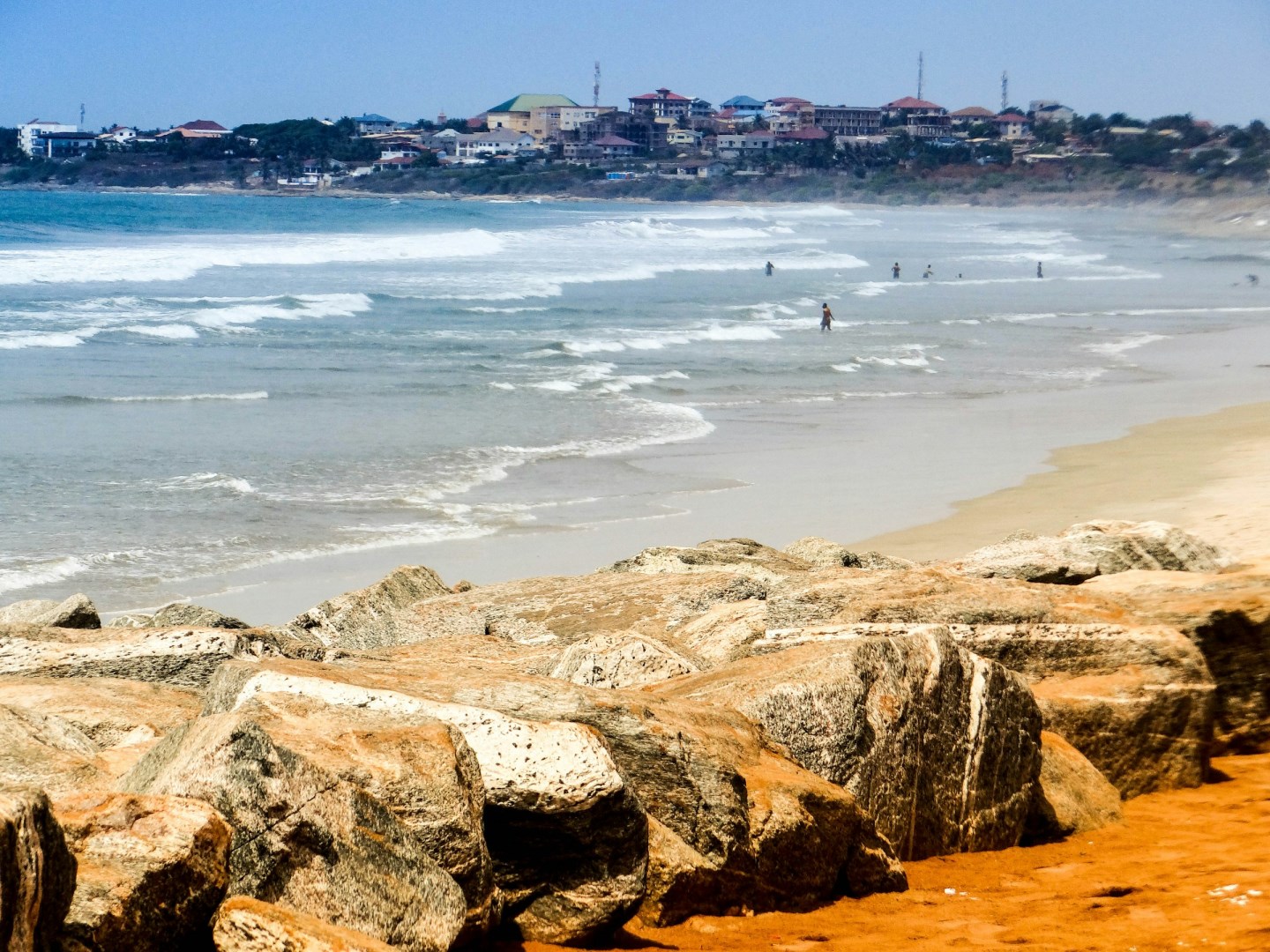
Tema
Tema, a vibrant city in Ghana's Greater Accra Region, offers a captivating blend of urban energy and coastal charm. As Ghana’s largest port city, Tema is a hub of economic activity, but it also boasts rich cultural and recreational attractions. The city's Harbour is one of the busiest in West Africa, facilitating significant maritime trade. Visitors can explore the port area, which provides insight into Ghana’s commercial and industrial sectors.
