
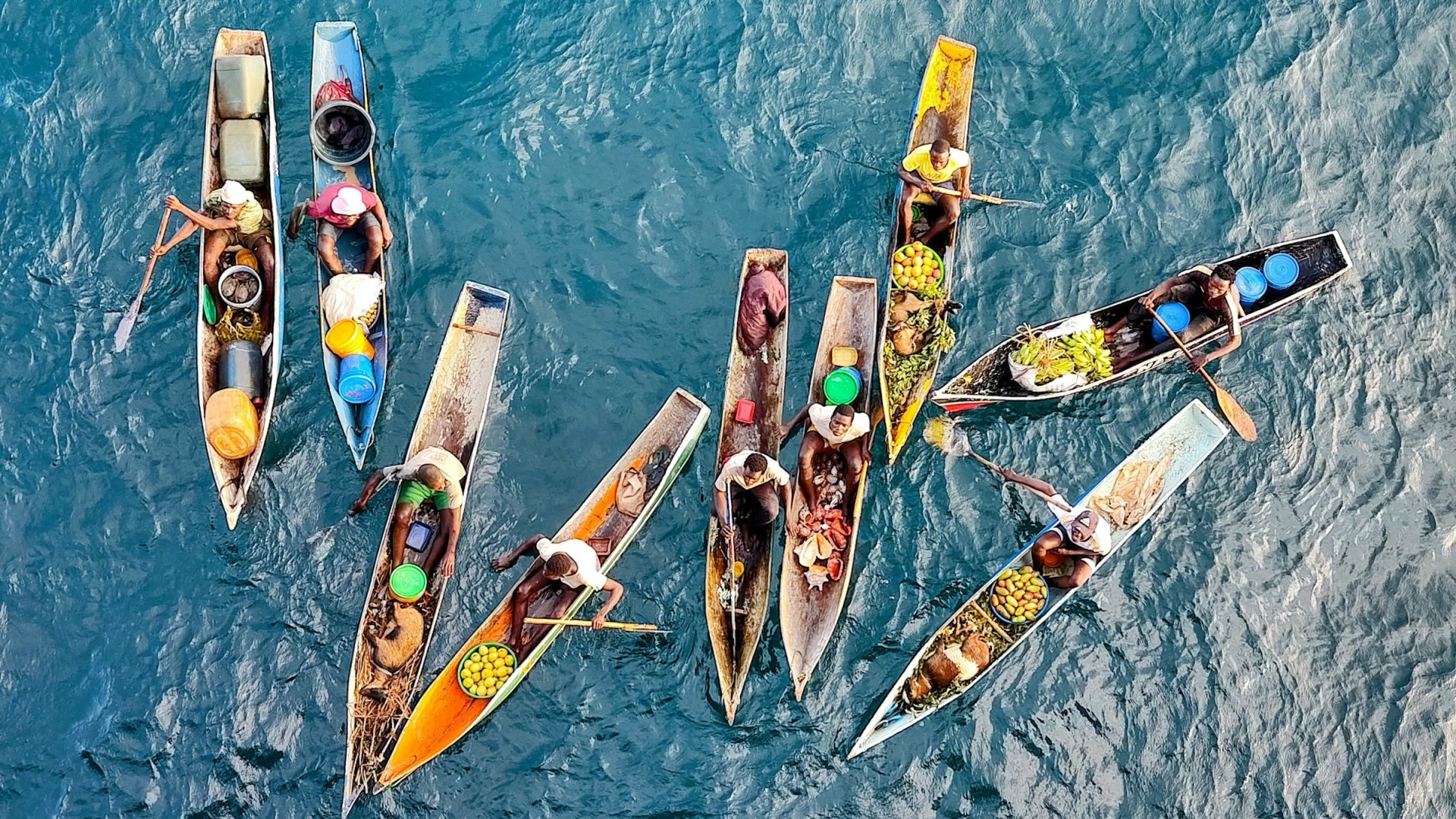
Nacala
Nacala is a port city on the northern coast of Mozambique, in Nampula Province, overlooking the Indian Ocean.
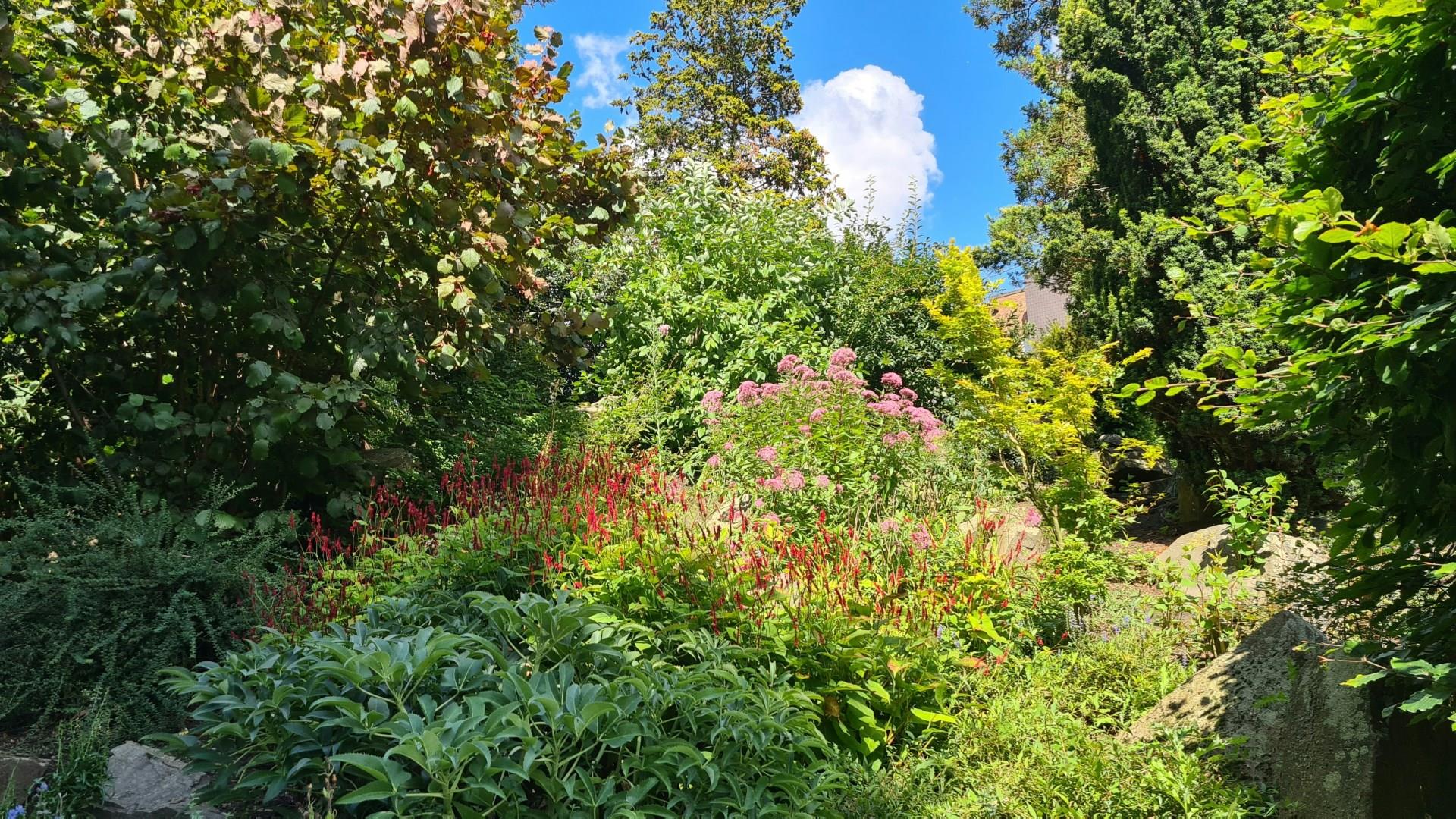
Liège
Liège, located along the Meuse River in eastern Belgium, is a city shaped by industry, resilience, and an independent spirit that dates back centuries. Once the capital of a powerful prince-bishopric, Liège has always done things its own way and is lived-in and layered with working neighborhoods, student cafés, and markets that tell the city’s real story. Every Sunday, locals gather at La Batte, one of the oldest and largest outdoor markets in Belgium.
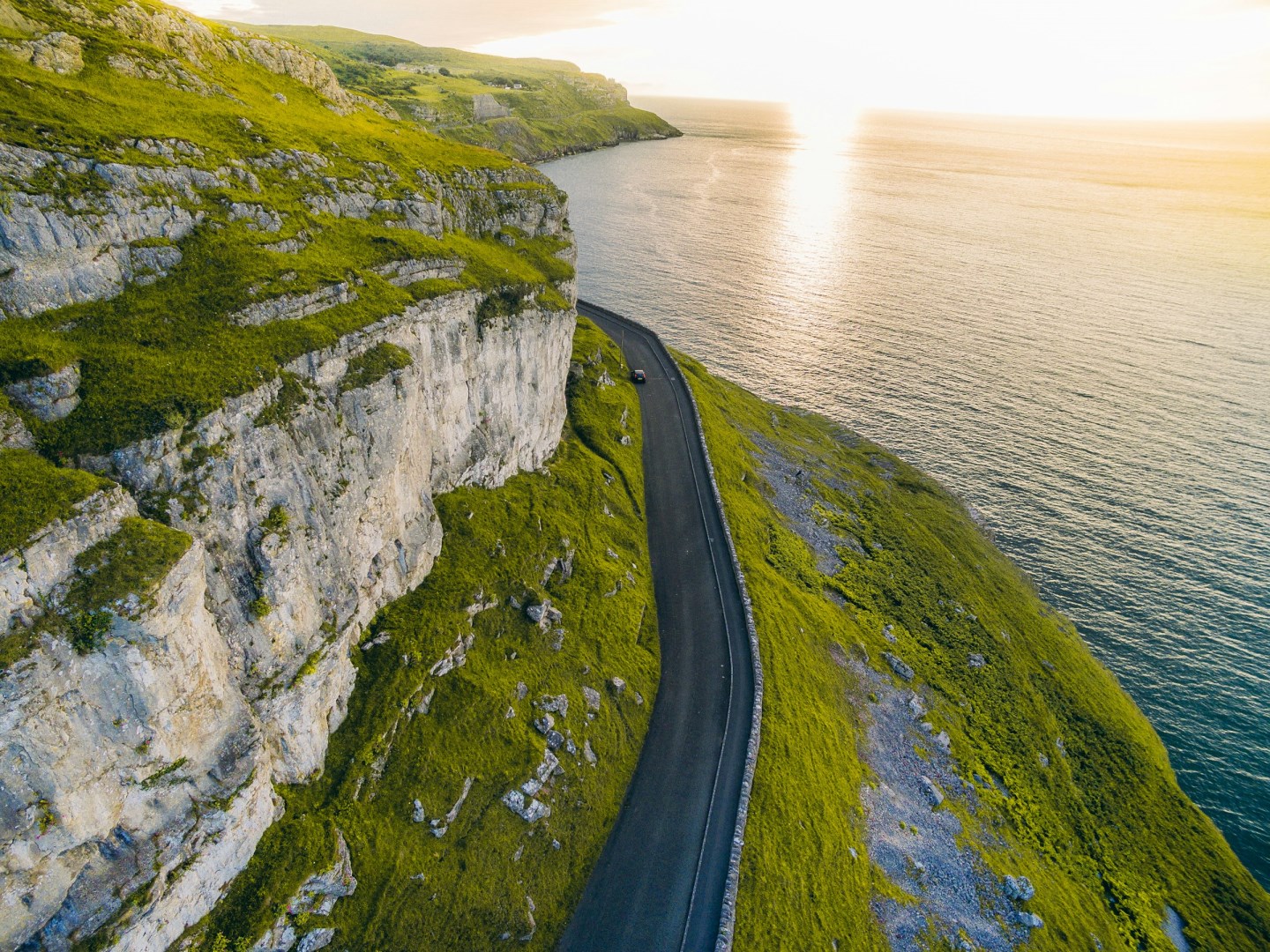
Llandudno
Llandudno has two beaches on either side of the town. The quieter West Shore with it's sandy beach has a view of the Conwy Estuary, Isle of Anglesy and Puffin Island, site of a Cistercian monastery. Spanning over two miles of the crescent bay is the North Shore. On the pier there are places of amusement including Professor Peabody's Playplace containing supervised activities for the children. On the opposite side is Craig-Y-Don, a paddling pool for the toddlers.
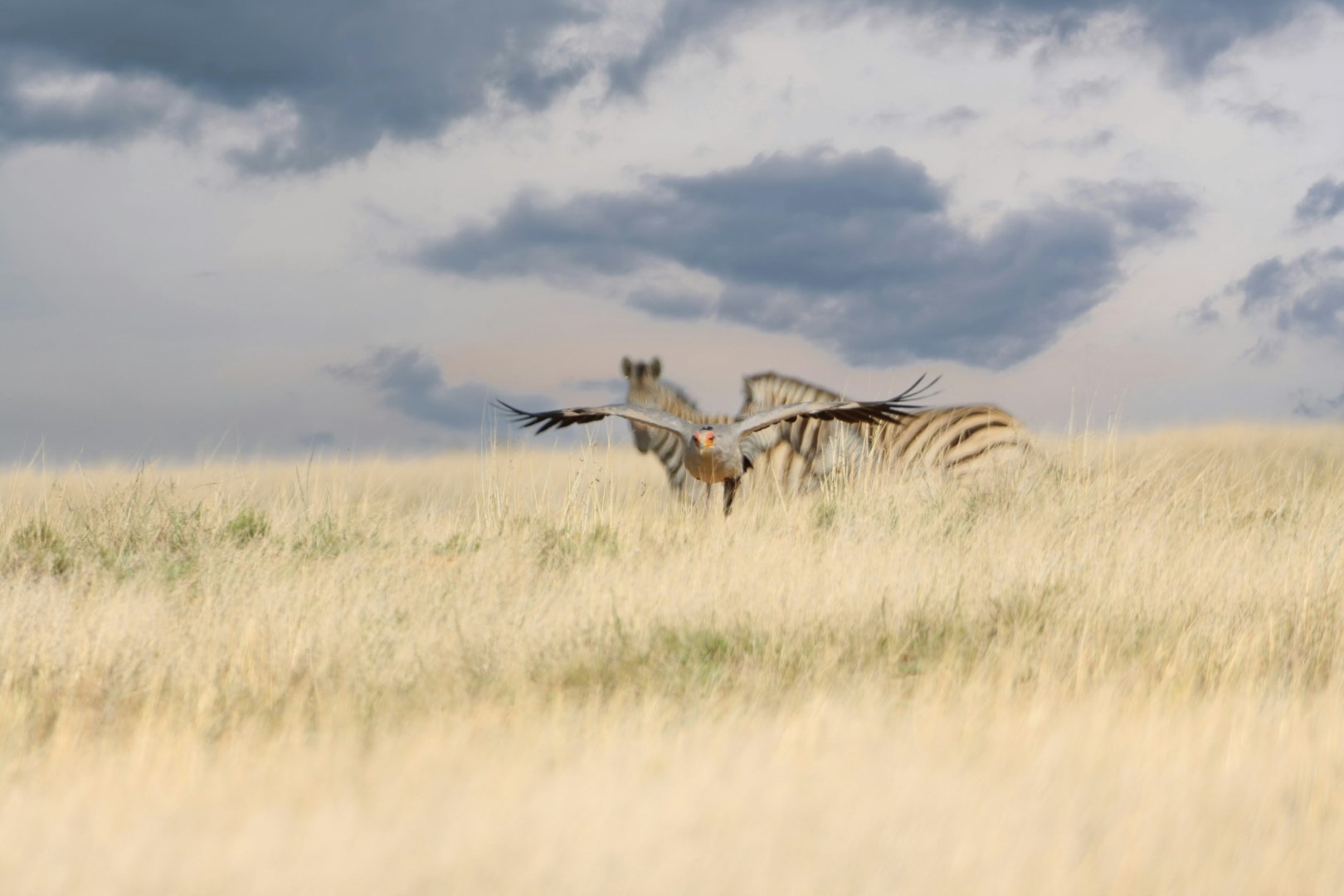
Bloemfontein
Bloemfontein is the capital of the Free State province and South Africa’s judicial capital, located near the geographic centre of the country. Known locally as Bloem, the city is often called the “City of Roses,” a reference to the many rose gardens found around its streets and parks. Its character comes from a combination of government institutions, historic sandstone buildings, museums, universities, and open spaces.
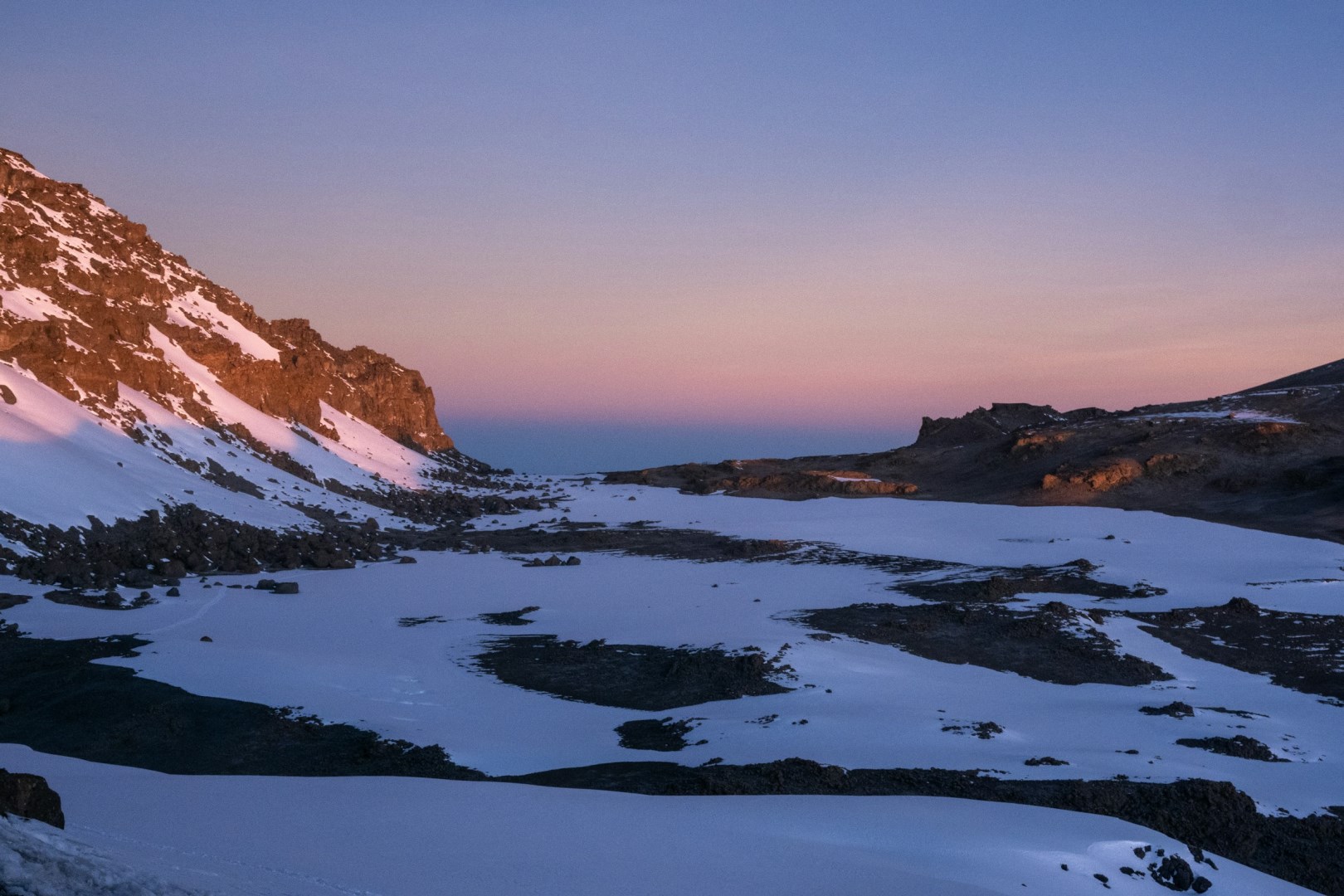
Uhuru Peak
Uhuru Peak is the highest point on Mount Kilimanjaro in northern Tanzania, reaching 5,895 metres above sea level. It stands on Kibo, the mountain’s highest volcanic cone, and forms the summit of the highest free-standing mountain in the world. The route to the peak passes through several distinct ecological zones, beginning with cultivated land and montane forest before reaching moorland, alpine desert, and the high-altitude summit zone.
