
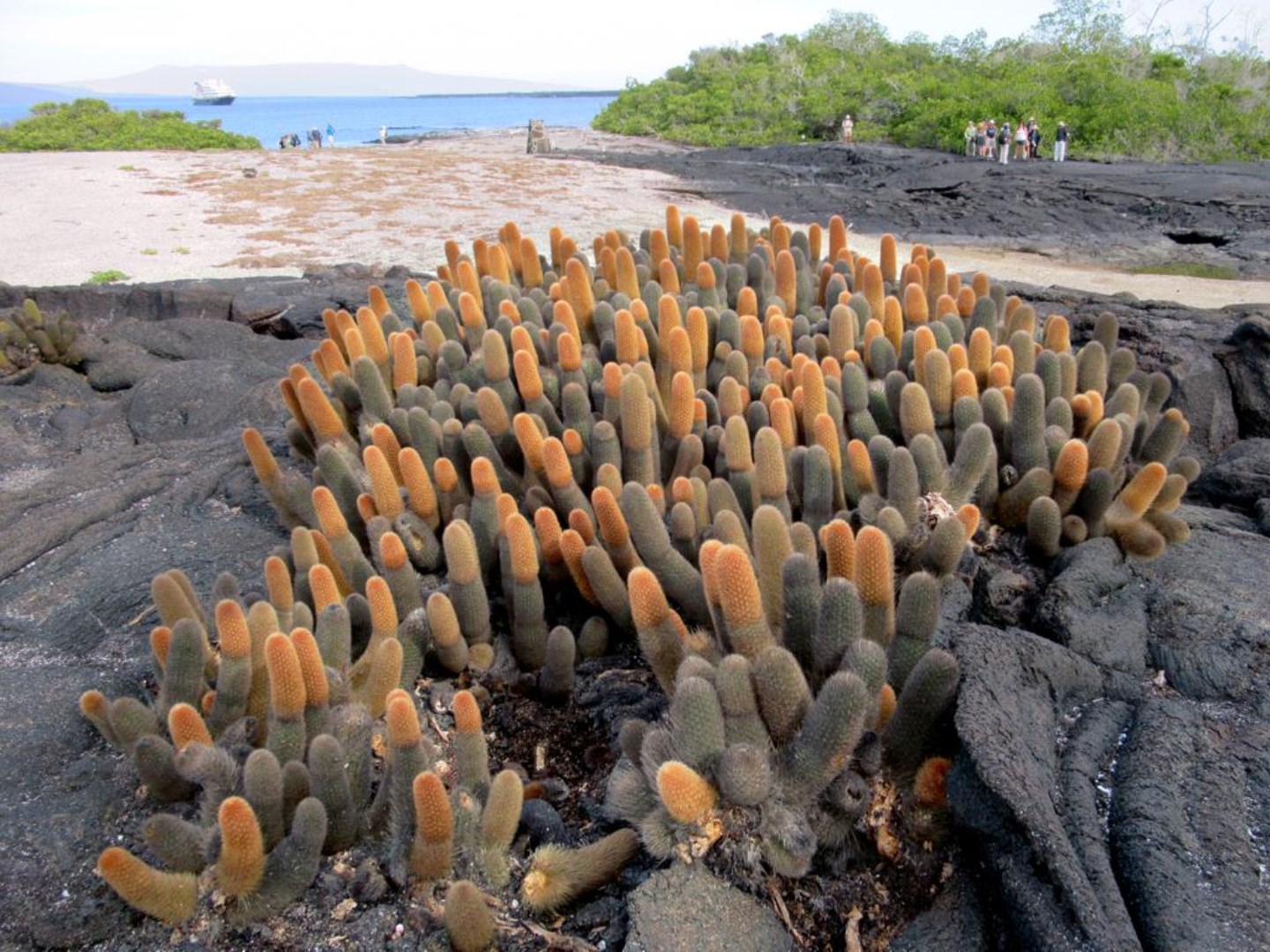
Punta Espinosa
Punta Espinosa is located on Fernandina Island in Ecuador’s Galápagos archipelago, an island shaped by recent volcanic activity and isolated landscapes. The site is known for its dark lava fields, sparse vegetation, and large populations of marine iguanas resting along the shoreline.
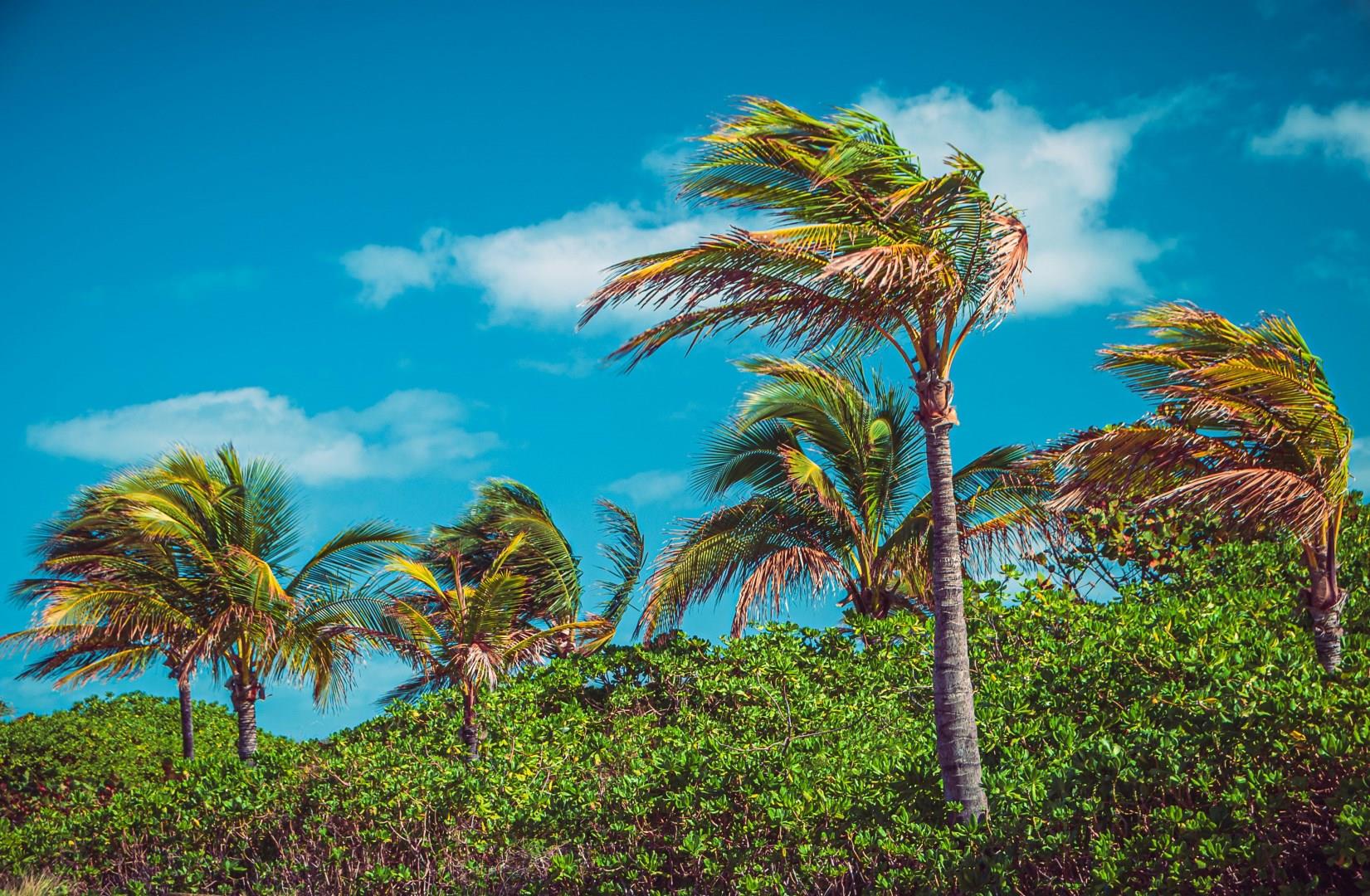
Castaway Cay
Castaway Cay, Disney’s private island in the Bahamas, is designed as a tropical retreat blending natural scenery with family-friendly experiences. Nestled among turquoise waters and soft sandy beaches, the island serves as an exclusive stop for Disney Cruise Line guests.
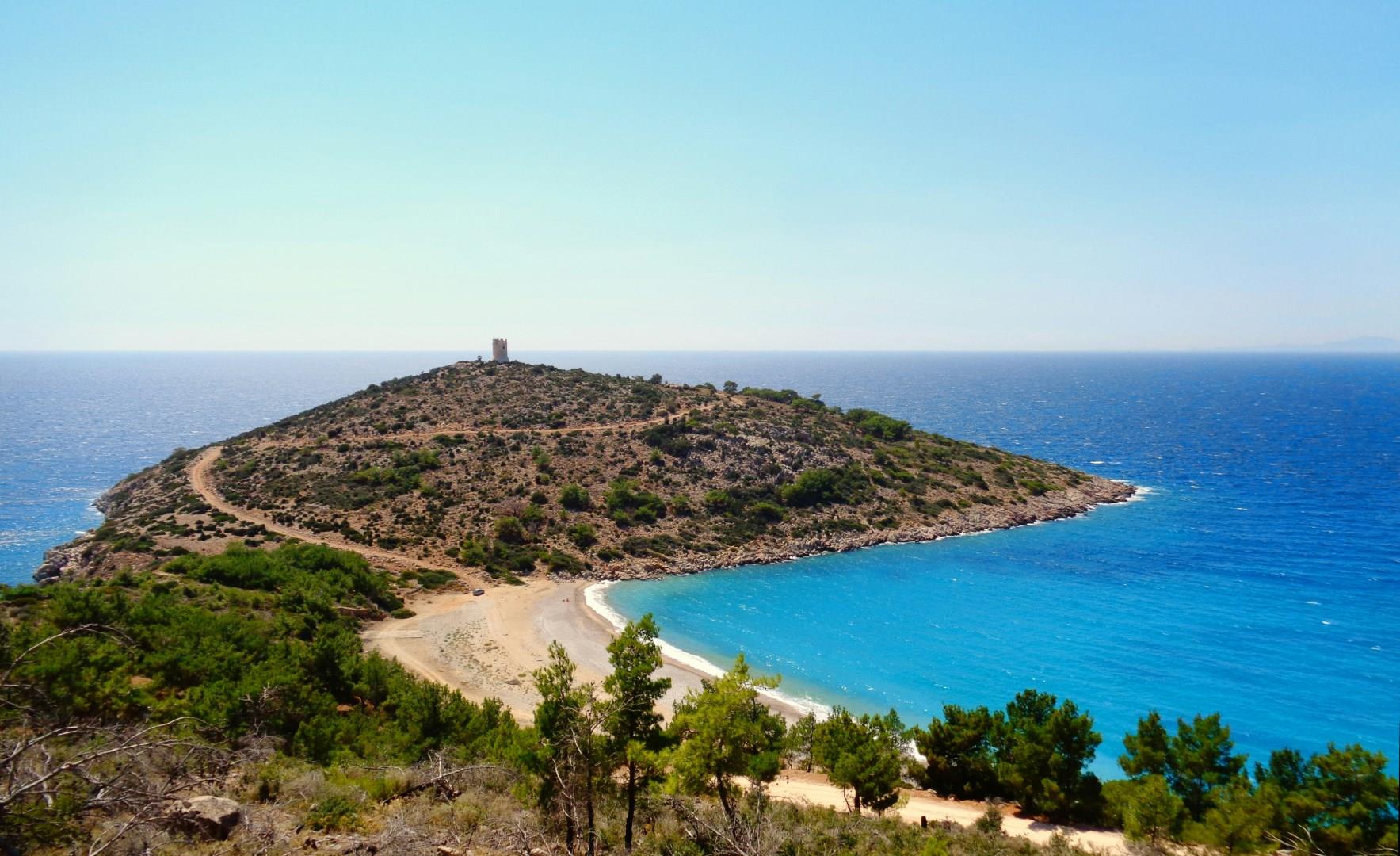
Chios
Chios lies in the northeastern Aegean, close enough to the Turkish coast that the mainland feels present in daily life.

New Jersey
New Jersey often surprises first-time visitors. It’s not just the gateway to New York or Philadelphia but a destination in its own right with deep Revolutionary War history, beach towns full of character, and some of the most diverse food offerings on the East Coast. Cities like Trenton and Morristown still carry the echoes of pivotal battles, while monuments and preserved buildings tell stories of George Washington’s winter encampments and early American resilience.
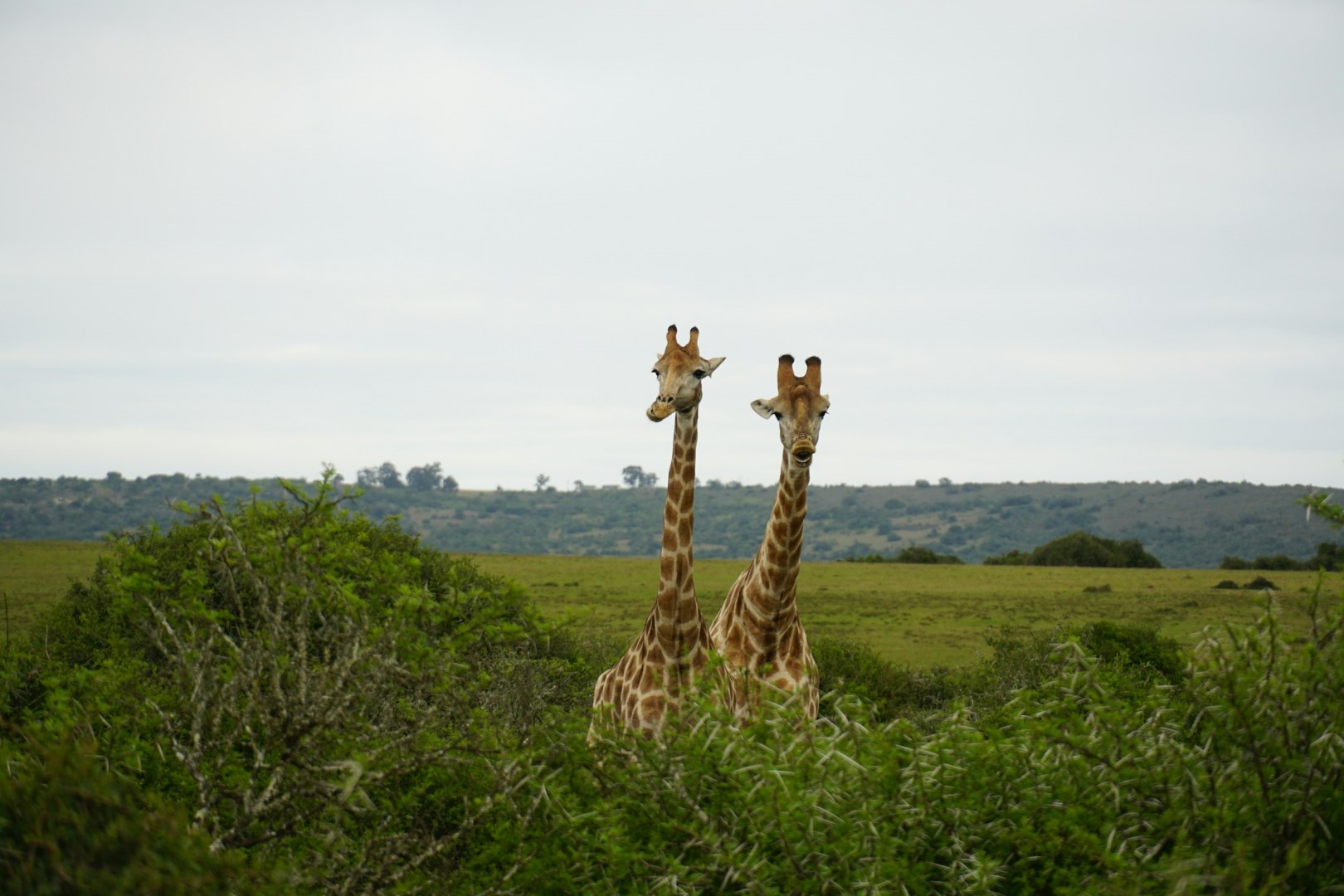
Shamwari Private Reserve
The Samwari Private Reserve is formed at the conjunction of five eco-systems, supporting a wide range of flora and fauna including the recently reintroduced "Big Five".
