

Las Vegas
Las Vegas, Nevada, is an electrifying city where glitz and glamour meet entertainment and excitement. Known as "The Entertainment Capital of the World," Las Vegas offers an unparalleled array of attractions, from its iconic casinos and luxurious hotels to its world-class dining and live shows. The city's entertainment scene is second to none, featuring legendary headliners, cutting-edge performances, and an array of themed attractions.
Amarillo
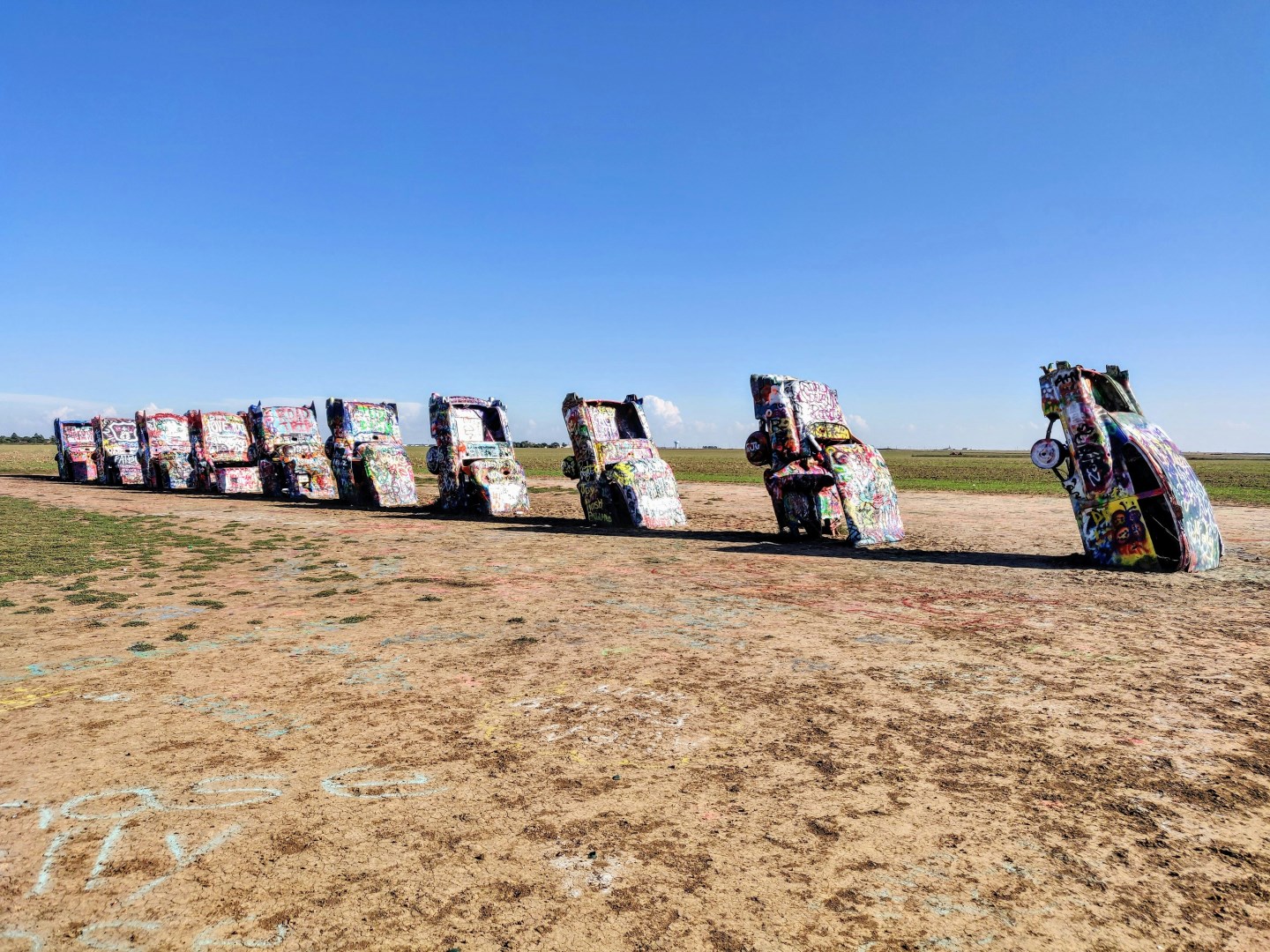
Amarillo is a city in the Texas Panhandle known for its wide-open plains, cattle industry, and strong connection to Route 66 culture. Positioned along Interstate 40, the city developed as a transportation and trade center serving ranching communities across the region.
Gogasheni
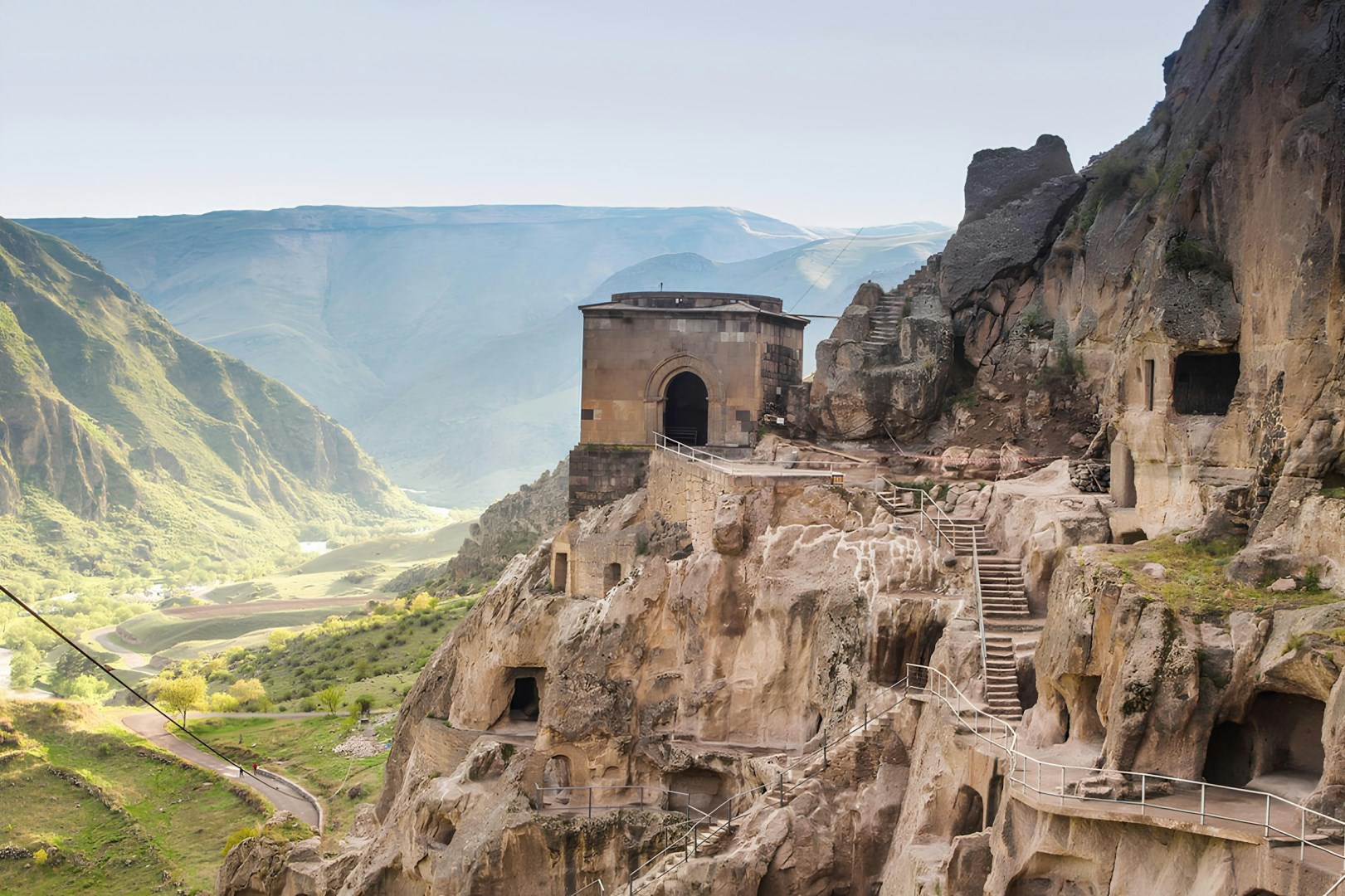
Gogasheni is a small mountain village in Georgia’s Samtskhe-Javakheti region, situated in the rugged landscape of the Javakheti highlands. The settlement lies near the shores of Lake Paravani, Georgia’s largest lake, and is surrounded by broad upland fields, volcanic hills, and open grassland.
Paraguay
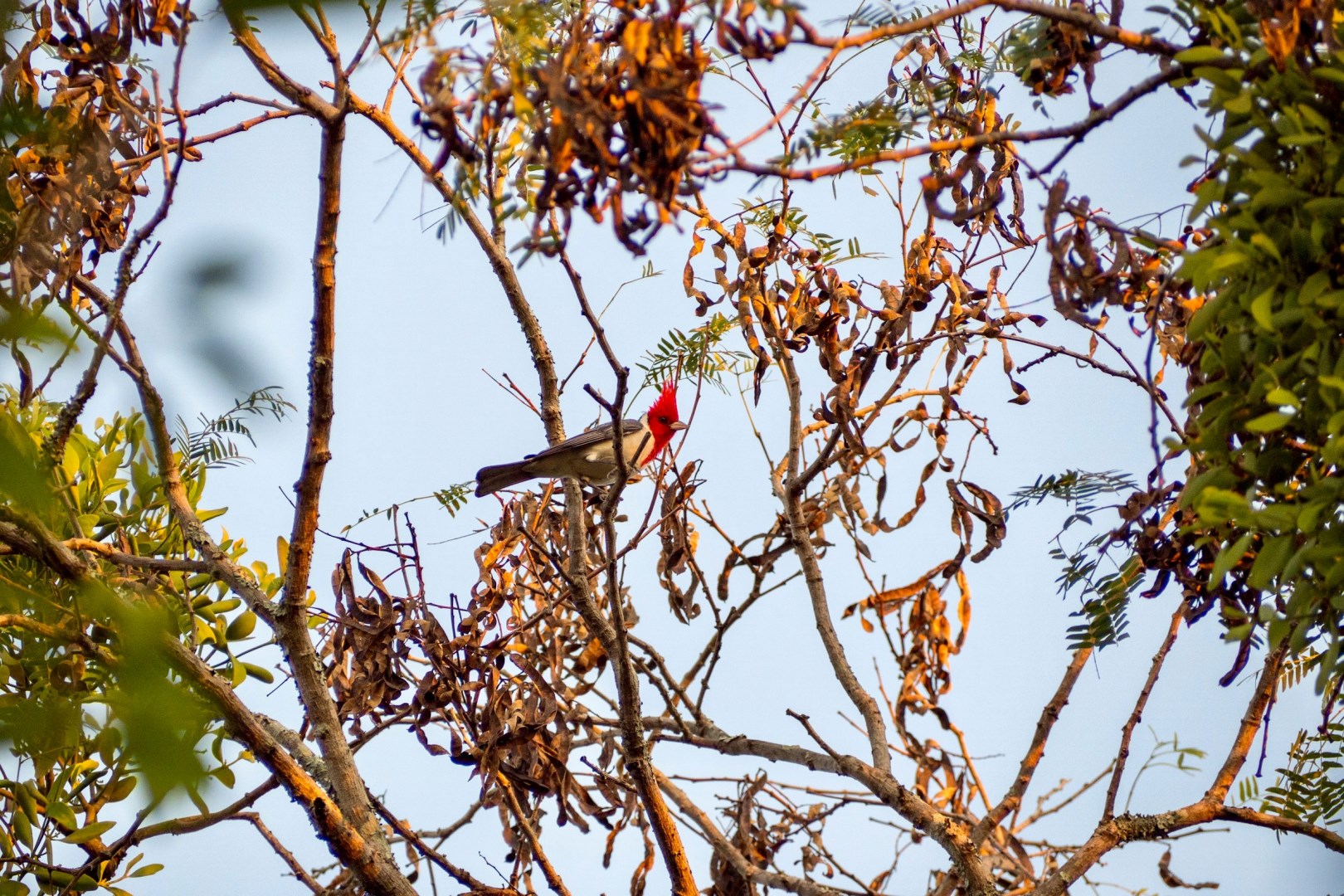
Paraguay is a country that moves to its own rhythm. Landlocked and often overlooked, it’s one of South America’s most culturally distinct destinations. With two official languages, Spanish and Guaraní, and a strong Indigenous heritage, Paraguay offers a travel experience shaped more by tradition than by trend. For travelers drawn to wild, open landscapes, Paraguay offers two distinct ecosystems: the lush, river-fed east and the remote, dry Chaco in the west.
Delray Beach
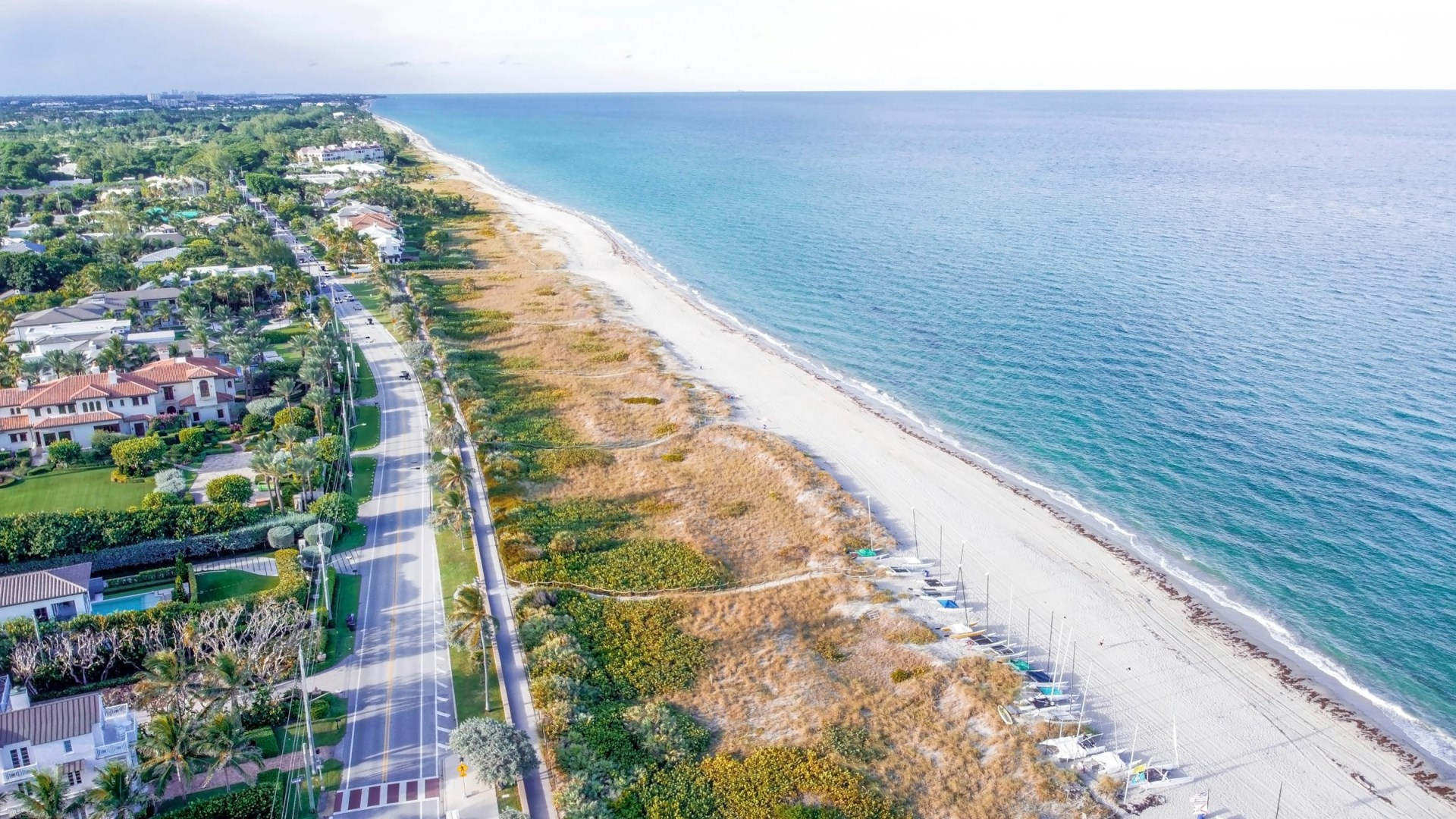
Delray Beach is a coastal city in southeastern Florida, positioned between the Atlantic Ocean and the Intracoastal Waterway in Palm Beach County. Its central Atlantic Avenue corridor connects the beach with a historic downtown filled with restaurants, galleries, shops, and cultural venues. The city’s shoreline provides a broad public beach, while inland neighborhoods include parks, waterways, and distinctive residential districts.
