

Saudi Arabia
Saudi Arabia is revealing chapters long unseen by tourists. Al-Ula is home to Hegra, the first UNESCO World Heritage Site in the kingdom and hosts to ancient Nabatean tombs carved in sandstone cliffs. Nearby, the mirrored Maraya Concert Hall reflects the desert sky, its design both unexpected and elegant amid the sands. Visitors can wander through narrow canyons, step inside rock-hewn facades, and feel the weight of ancient civilizations still echoing across the dunes.
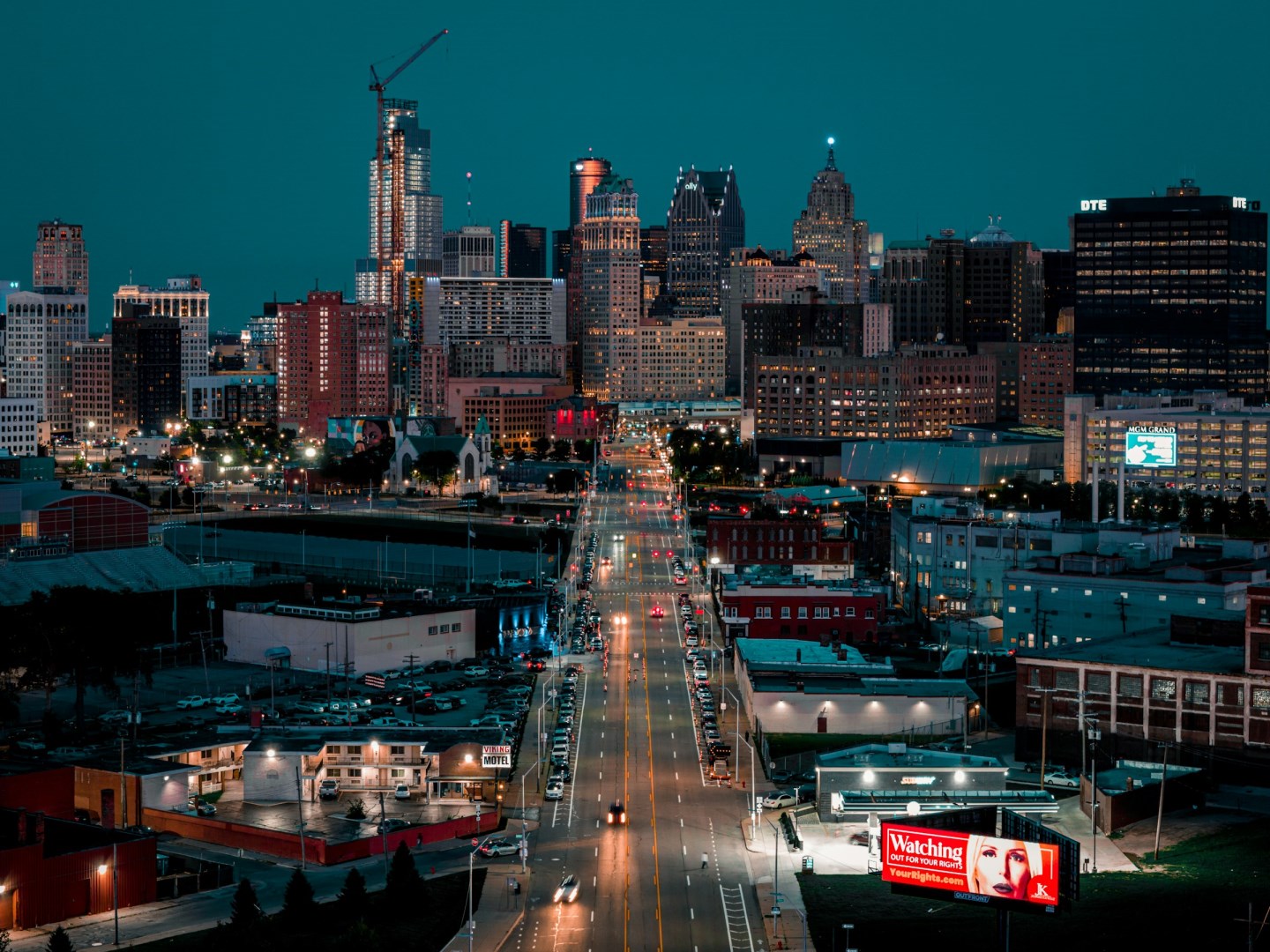
Detroit
Located in southeast Michigan state between Lake Erie and Lake Huron, this is the "Motor City" - it is the center of the American Car industry.
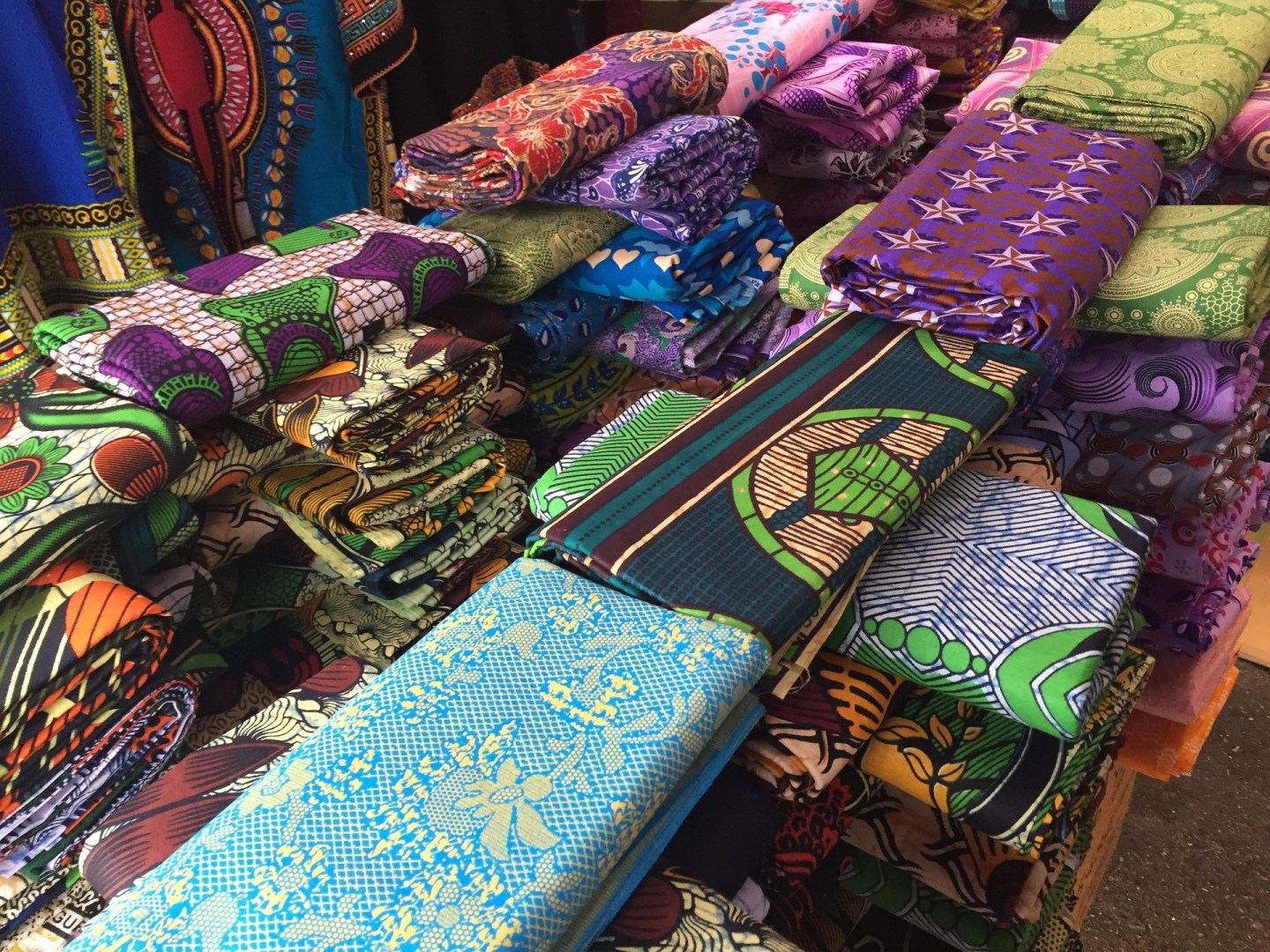
Ghana
Ghana, located along West Africa’s Gulf of Guinea, offers a rich blend of cultural heritage and history.
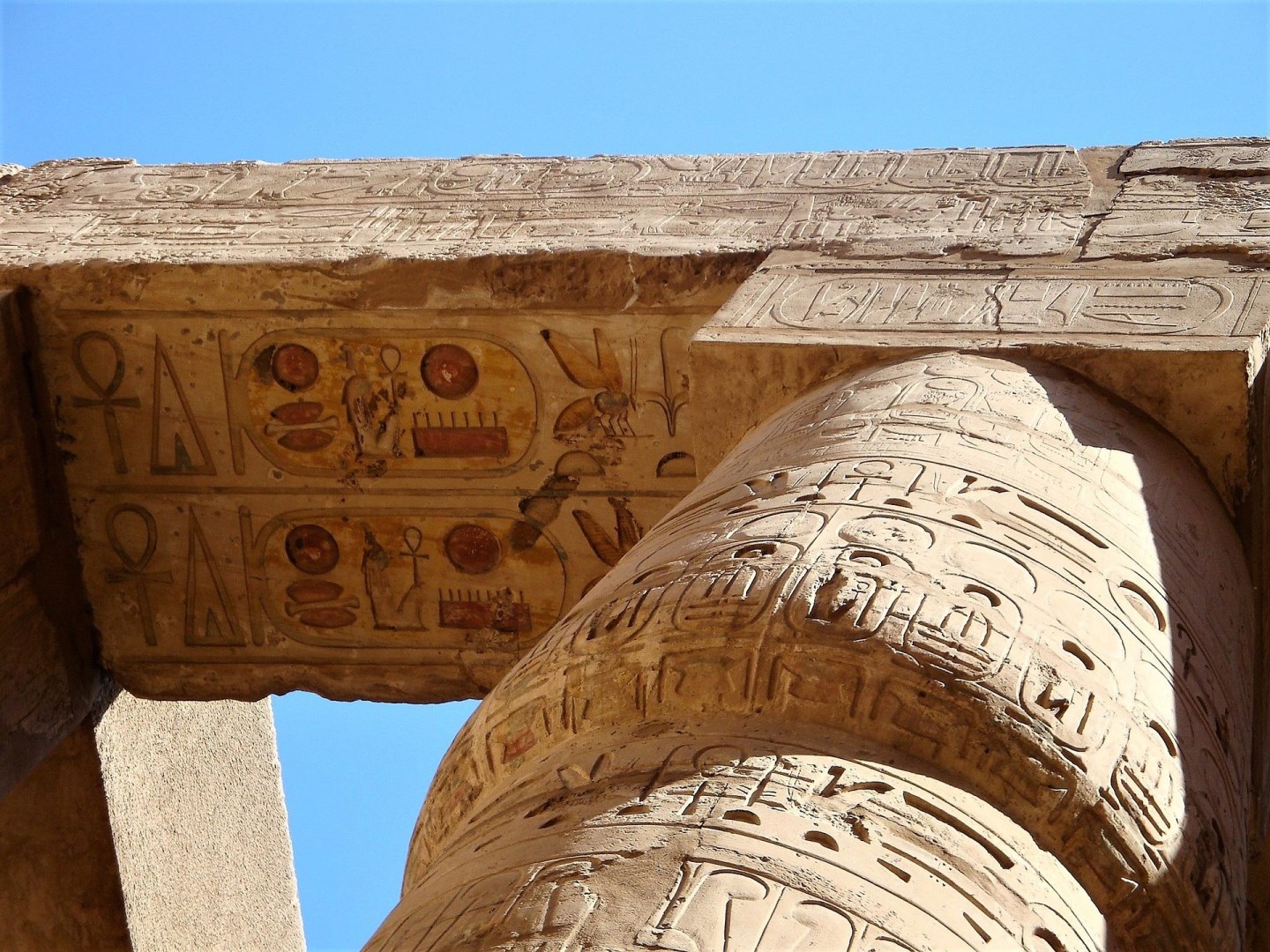
Karnak
Karnak Temple is a huge, open air complex and, after the Giza Pyramids, the second most visited historical place in Egypt. The largest religious building ever constructed, it sits on 200 acres—a true wonder of the world. Decayed pylons, chapels and temples make up this unmissable historical attraction near Luxor.

Dürnstein
West of Vienna, the quaint town of Dürnstein lies on the banks of the iconic Danube and is the perfect destination for river cruising, sightseeing, and enjoying the best of Austrian culture. Though small, this picturesque village offers plenty to see and do.
