

Cádiz
With its captivating blend of ancient history, sun-drenched beaches, and vibrant Andalusian culture, Cádiz, Spain, stands as one of Europe’s oldest continually inhabited cities. Founded over 3,000 years ago by the Phoenicians, this coastal gem in southern Spain offers a rich tapestry of historical sites and modern charms. The old city of Cádiz is a labyrinth of narrow cobblestone streets, whitewashed houses, and hidden plazas that evoke the city’s Moorish past.

Inveraray
Inveraray, a small town on the western shore of Loch Fyne in Argyll and Bute, Scotland, offers visitors a glimpse into 18th-century planning and Highland heritage. Built largely in the mid-1700s under the direction of the 3rd Duke of Argyll, the town features Georgian architecture, wide streets, and an unusual level of symmetry for a rural Scottish settlement. The main street, lined with whitewashed buildings, leads down to the loch’s edge, where fishing boats and leisure vessels come and go.
Nayarit
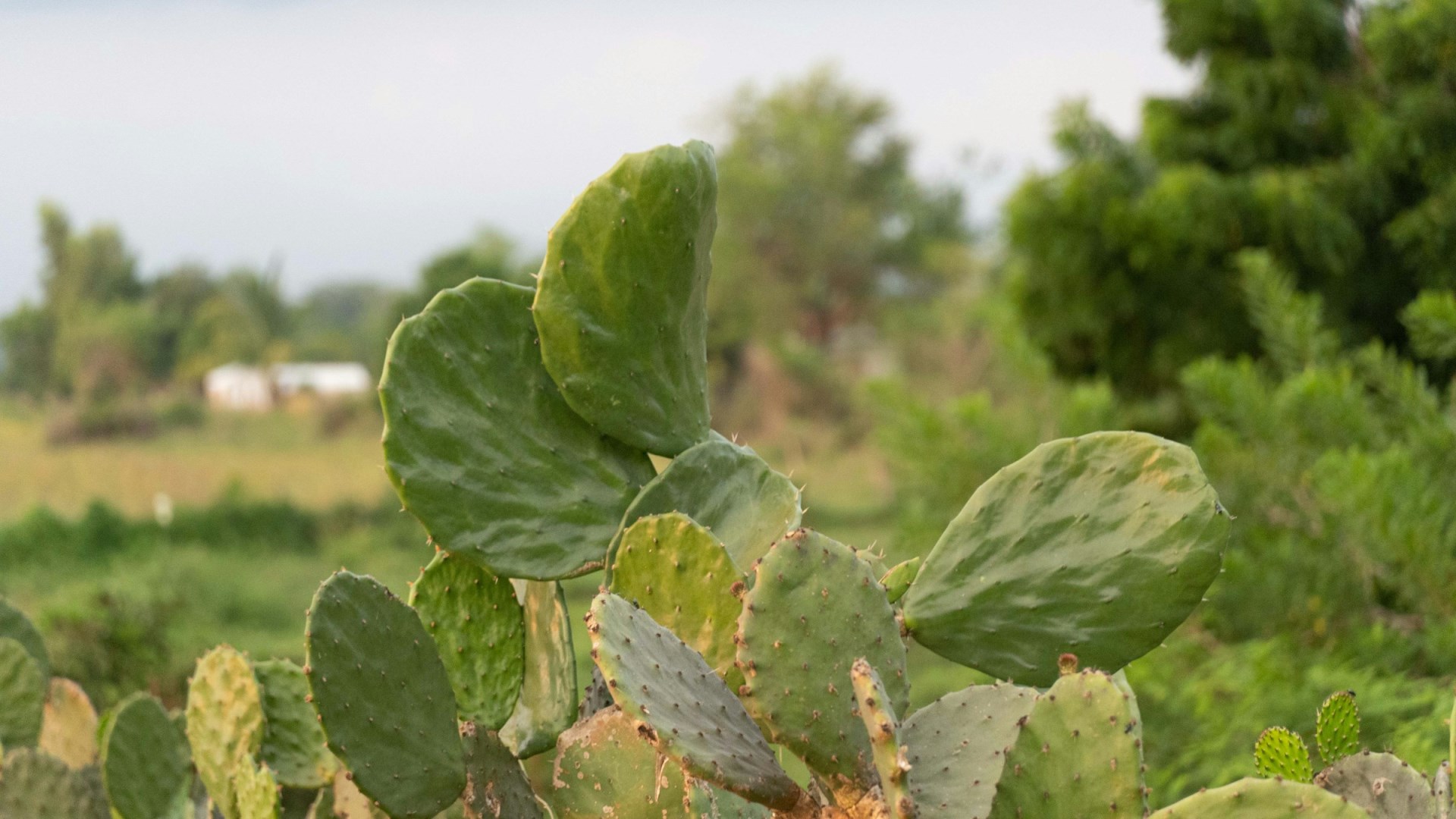
Nayarit's sub-tropical climate is often compared to Hawaii’s. Temperatures reach ninety degrees during the summer, but at night the onshore breeze from the ocean brings cool air that makes for pleasant sleeping conditions.

Wewak
Wewak is the capital of East Sepik Province on the north coast of Papua New Guinea, facing the Bismarck Sea. The town stretches along a coastal plain backed by low forested hills, with beaches, bays, and offshore islands forming part of the surrounding landscape. Wewak serves as the province’s main administrative and commercial center and provides access to the Sepik River region farther inland.

Tianjin
Tianjin is a major city in northern China, positioned near the Bohai Sea where the Haihe River runs through the urban center. Its character has been shaped by maritime trade, river transport, industry, and its proximity to Beijing. The city combines a historic Chinese core with broad avenues, former foreign concession districts, modern commercial areas, and a large port.
