
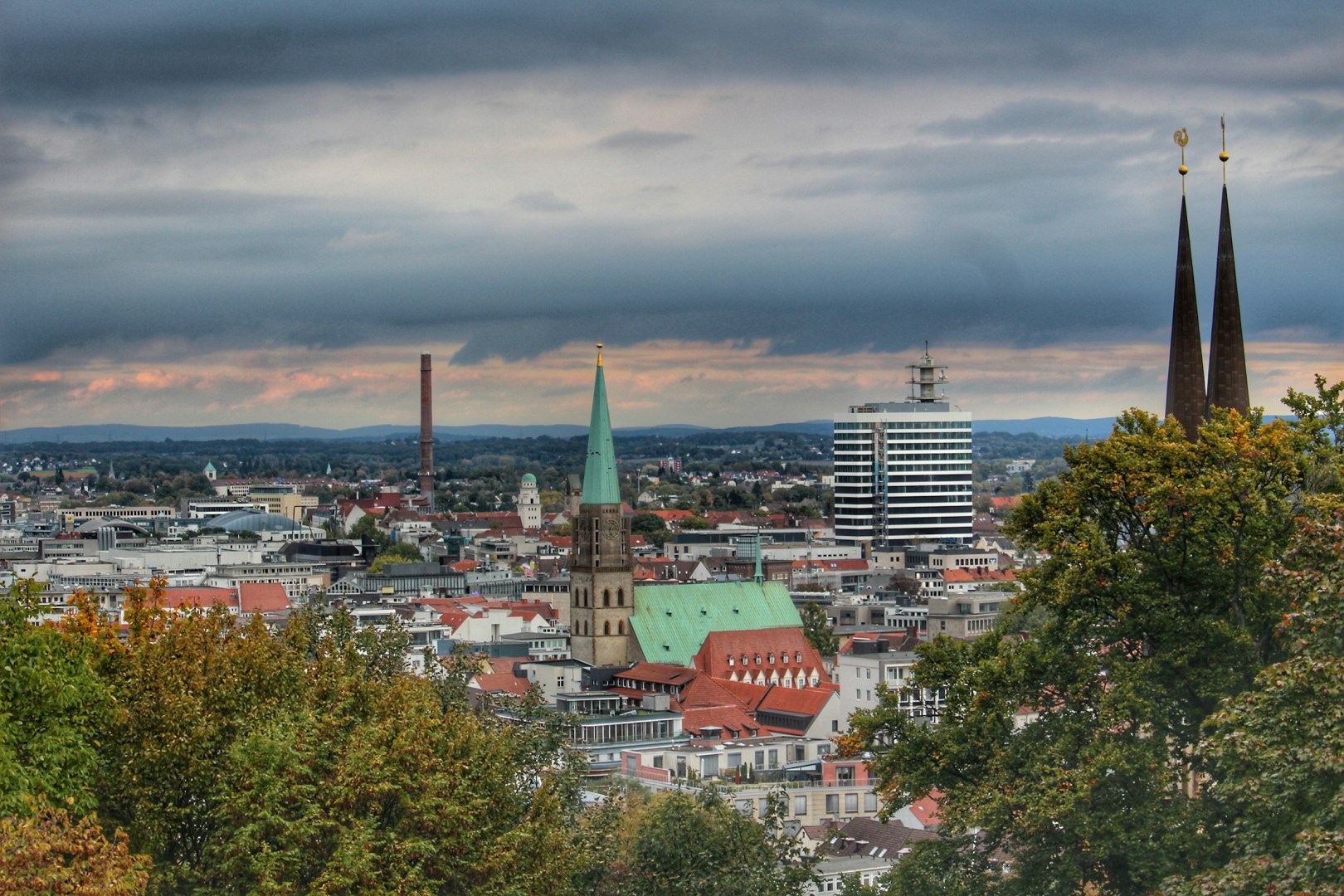
Bielefeld
Southwest of Hannover in western Germany, Bielefeld lies near the Teutoberg Forest, the site of the 9th century Battle of Teutoberg Forest.

Cook Islands
The Cook Islands, a group of 15 islands scattered across the South Pacific, offer a rare blend of Polynesian tradition and laid-back island charm. Rarotonga, the largest and most visited island, is ringed by a turquoise lagoon and backed by lush mountains. Visitors can circle the entire island in under an hour, stopping along the way for fresh coconut, beachside cafés, or a quick swim in the clear lagoon.
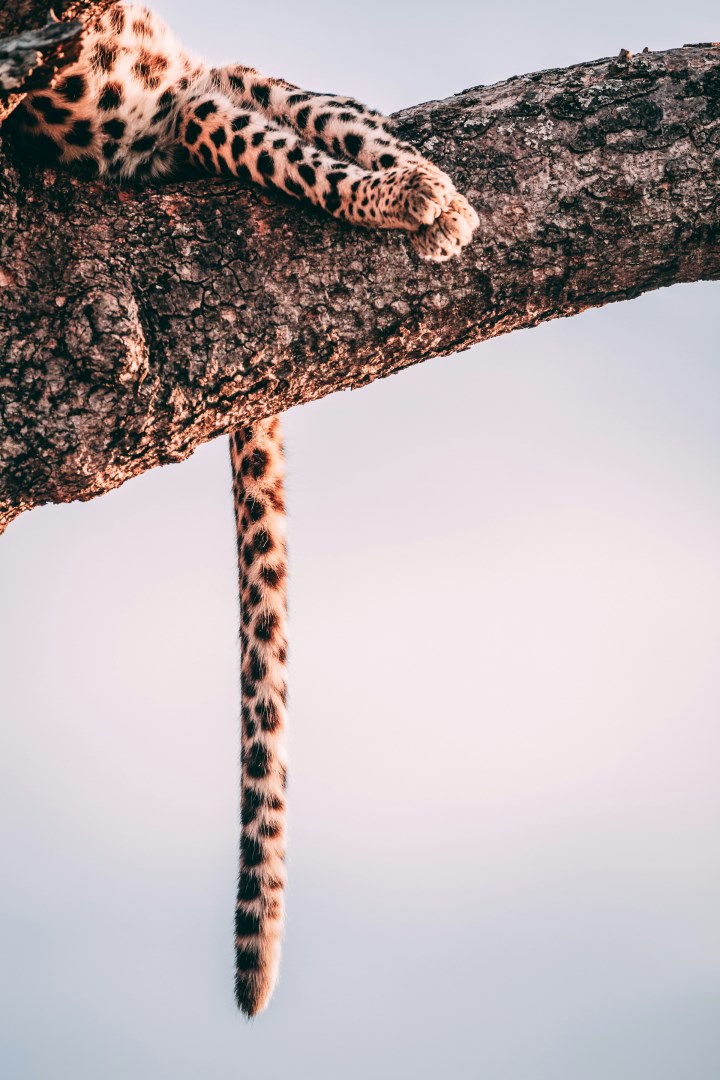
Manyeleti Game Reserve
Manyeleti Game Reserve is a protected wildlife area in Mpumalanga, forming part of the Greater Kruger ecosystem. It covers about 23,000 hectares and shares unfenced boundaries with Kruger National Park, Timbavati Game Reserve, and Sabi Sand. The name Manyeleti comes from the local Shangaan language and means “place of stars,” reflecting the clear night skies of the Lowveld.

Lake Titicaca
Lake Titicaca, perched at over 3,800 meters above sea level, is the highest navigable lake in the world and a place where ancient stories still echo across the water. Shared by Bolivia and Peru, this lake has long been considered sacred by the Andean peoples. According to Inca legend, it was from Titicaca’s deep blue waters that the first humans were created. Today, the lake remains a center of cultural tradition, spiritual significance, and daily life for many who live along its shores.
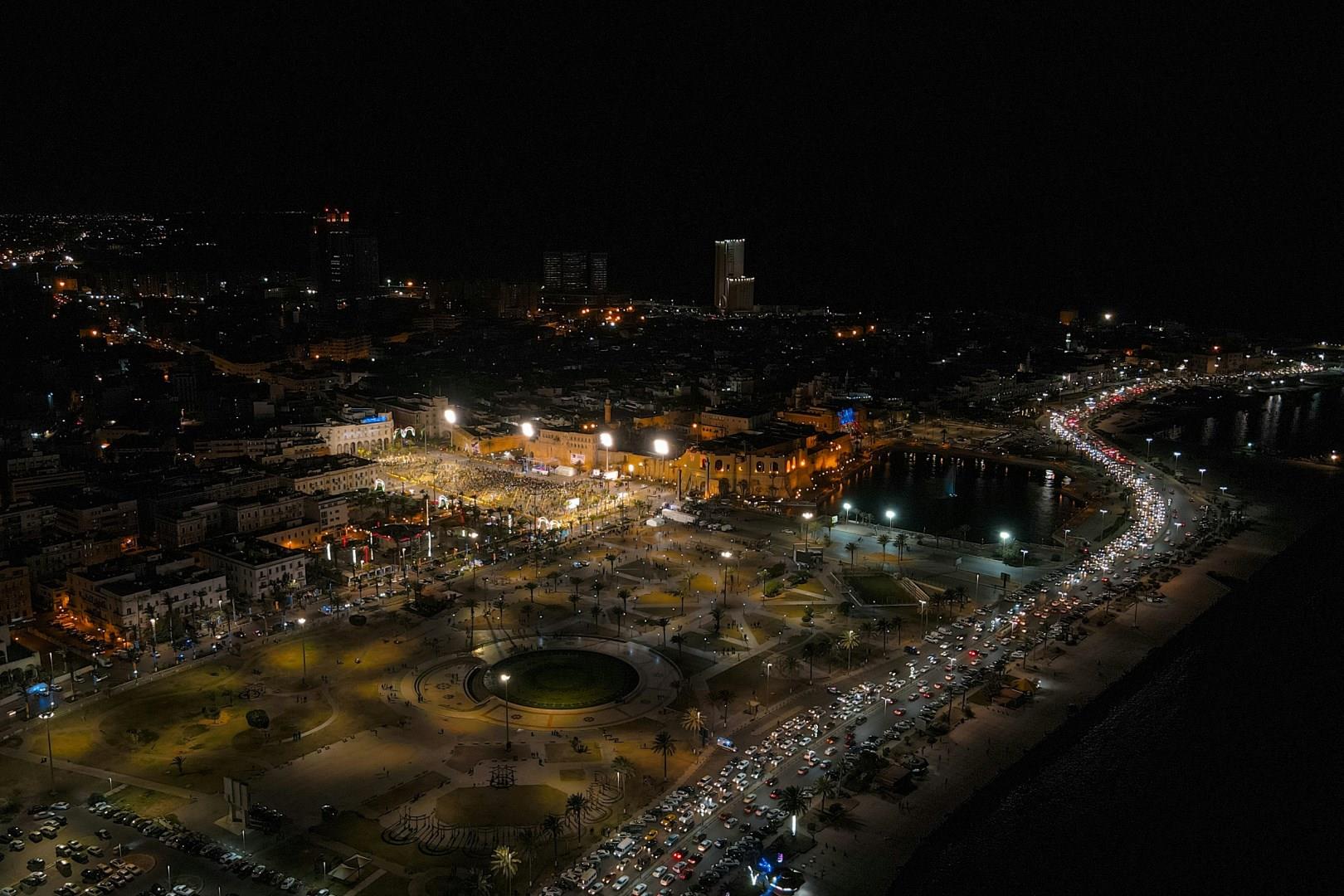
Libya
Libya, located in North Africa along the Mediterranean coast, is a country of vast deserts, ancient history, and dramatic landscapes. Much of its terrain is dominated by the Sahara Desert, with sand dunes, rocky plateaus, and oases shaping life across the country.
