
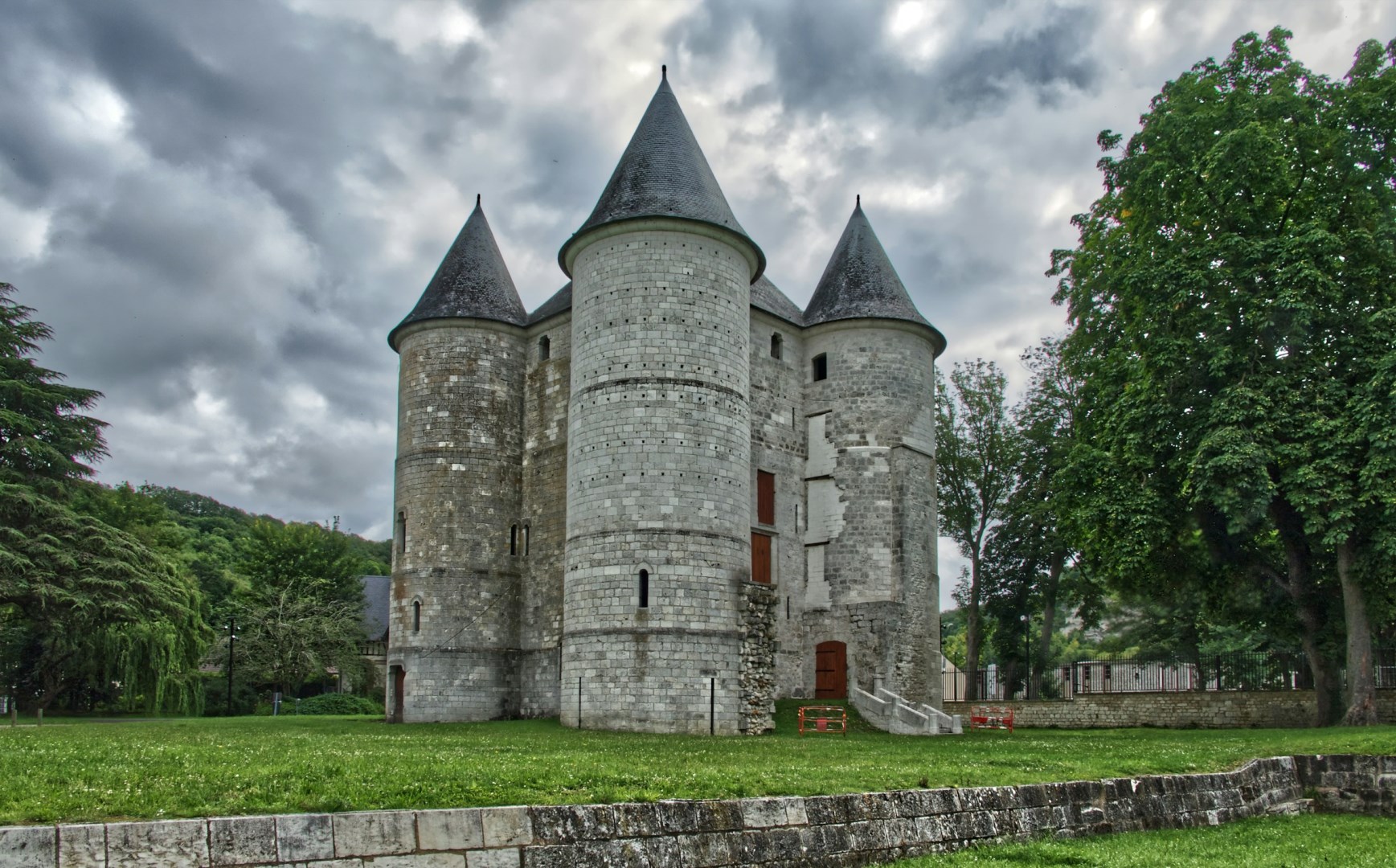
Vernon
Vernon, located in the picturesque Normandy region along the banks of the Seine River, is a charming town that offers a delightful mix of history, culture, and natural beauty.
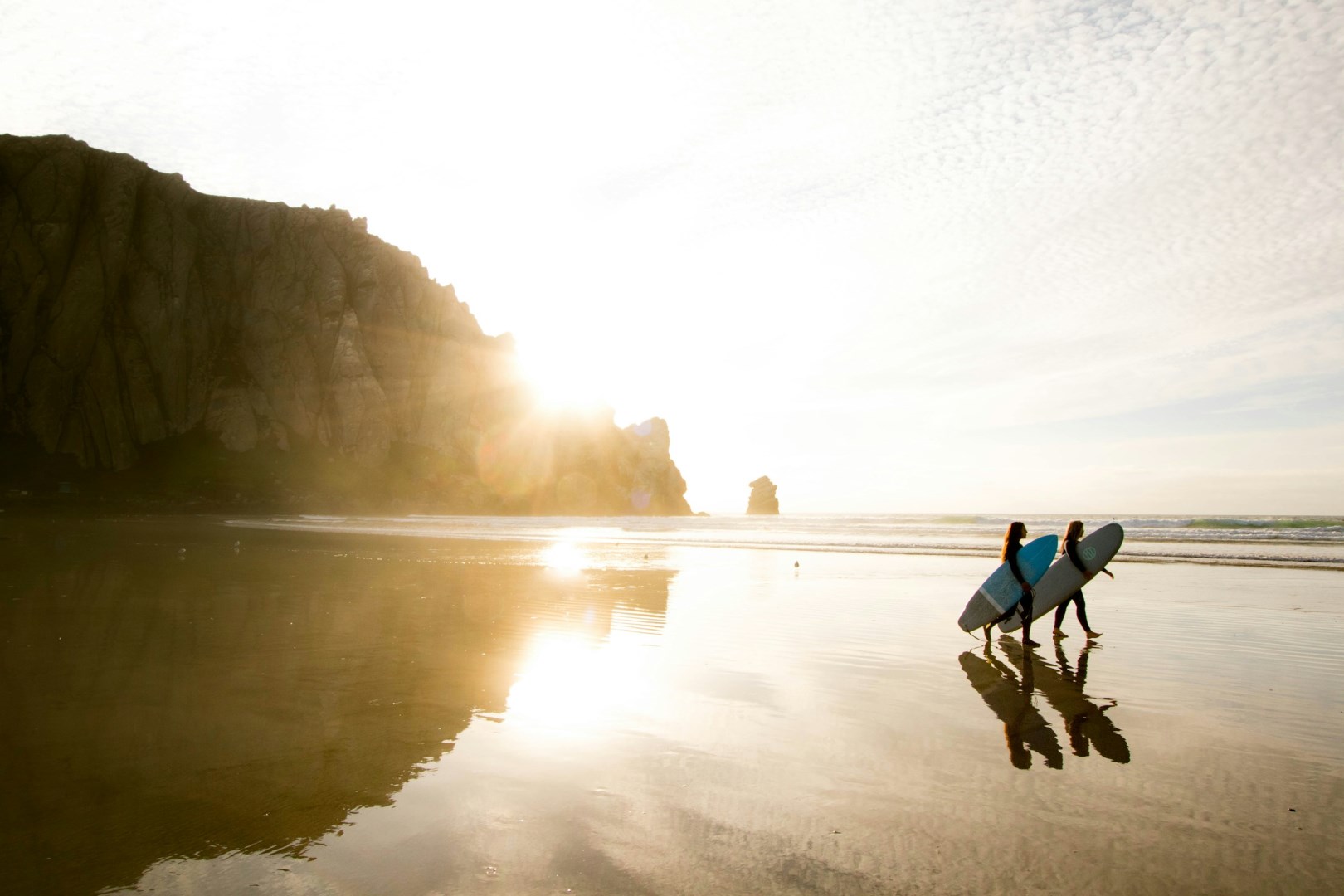
Morro Bay
Morro Bay is a coastal city on California’s Central Coast, situated around a natural harbor between San Luis Obispo and the Pacific Ocean. Its most recognizable landmark is Morro Rock, a large volcanic plug rising at the entrance to the bay. The city’s waterfront includes fishing docks, marinas, beaches, and a working harbor, while wetlands and dunes surround parts of the shoreline.

Tromso
Tromsø, a gem nestled in the Arctic Circle, offers an unparalleled blend of natural wonders and cultural richness. Known as the "Gateway to the Arctic," this Norwegian city is famed for its spectacular Northern Lights. Between September and April, Tromsø becomes a prime location for witnessing the aurora borealis, a mesmerizing display of green, purple, and pink lights dancing across the polar sky.

Bar Harbor
Bar Harbor should be any traveler's Maine priority! Drink in a view of the Atlantic Ocean from the town pier, and be sure to get some lobster at one of the excellent local restaurants. Bar Harbor, a Mount Desert Island town, is also the portal to the rugged, recreational paradise Acadia National Park, where birding, whale-watching and kayaking is the order of the day. The park's Cadillac Mountain is the highest point on America's East Coast.

Nelson Lakes National Park
Nestled in the heart of New Zealand's South Island, Nelson Lakes National Park is a paradise for nature enthusiasts and adventure seekers alike. This breathtaking park is renowned for its stunning lakes, dense beech forests, and rugged mountains. The twin lakes, Rotoiti and Rotorua, are the park's crown jewels, offering crystal-clear waters framed by lush greenery. Visitors can explore these serene lakes by taking a scenic boat ride or embarking on a picturesque hike along their shores.
