

Victoria
Victoria, the capital of Seychelles, is often described as one of the world’s smallest capitals, yet it brims with color and character. Located on Mahé Island, the city is both a cultural hub and a gateway to the surrounding beaches and mountains.
Divundu
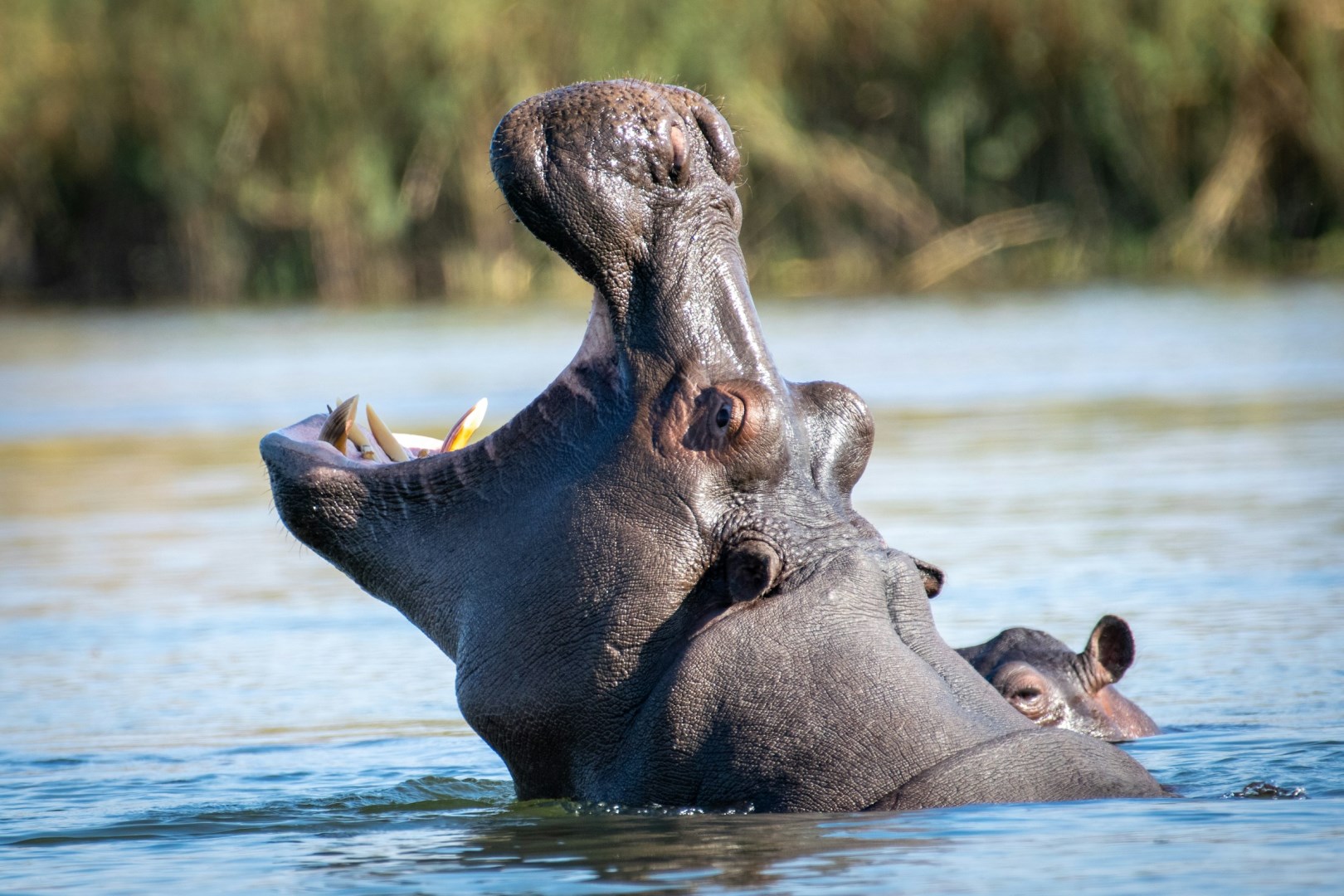
Divundu is a small settlement in northeastern Namibia, situated along the Kavango River near the western entrance to the Bwabwata National Park. The river creates a green corridor through a region otherwise dominated by dry woodland and sandy plains. Divundu is an important stopping point between Rundu and Katima Mulilo and serves as a gateway to several wildlife and cultural sites in the Kavango and Zambezi regions.

Flagstaff
Flagstaff, Arizona, is a mountain town that perfectly blends the charm of a small community with the excitement of outdoor adventure and rich cultural experiences. Nestled at the base of the San Francisco Peaks, Flagstaff serves as a gateway to some of the Southwest's most iconic landscapes, including the Grand Canyon, which is just a short drive away.
Piran
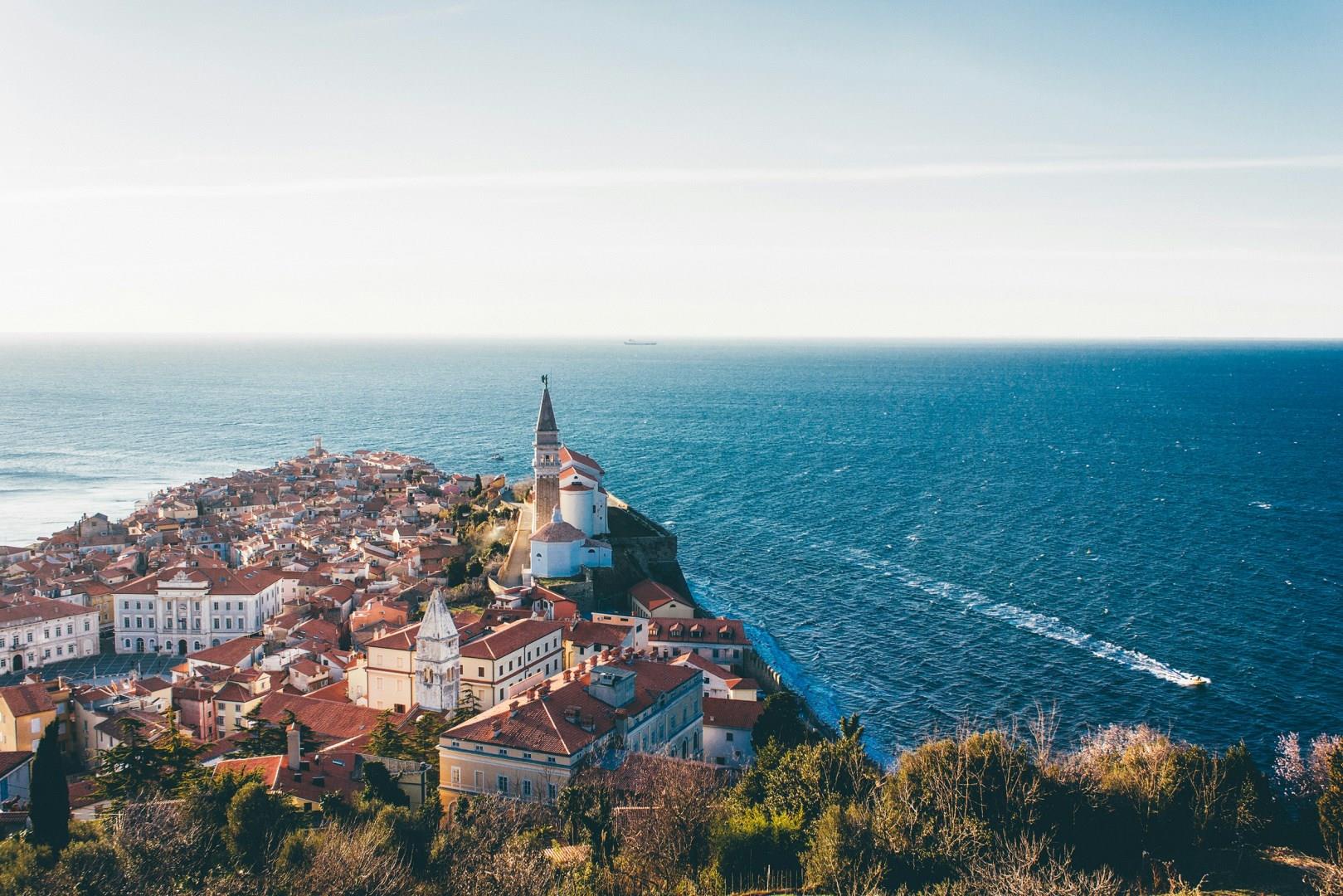
Piran, nestled along Slovenia's picturesque Adriatic coast, is a charming city that embodies a blend of medieval allure and seaside beauty. With its narrow, winding streets and well-preserved Venetian architecture, Piran offers a delightful glimpse into its rich history. A walk through Piran’s old town reveals its Venetian heritage, with charming piazzas, narrow alleys, and picturesque waterfronts.
Bako National Park
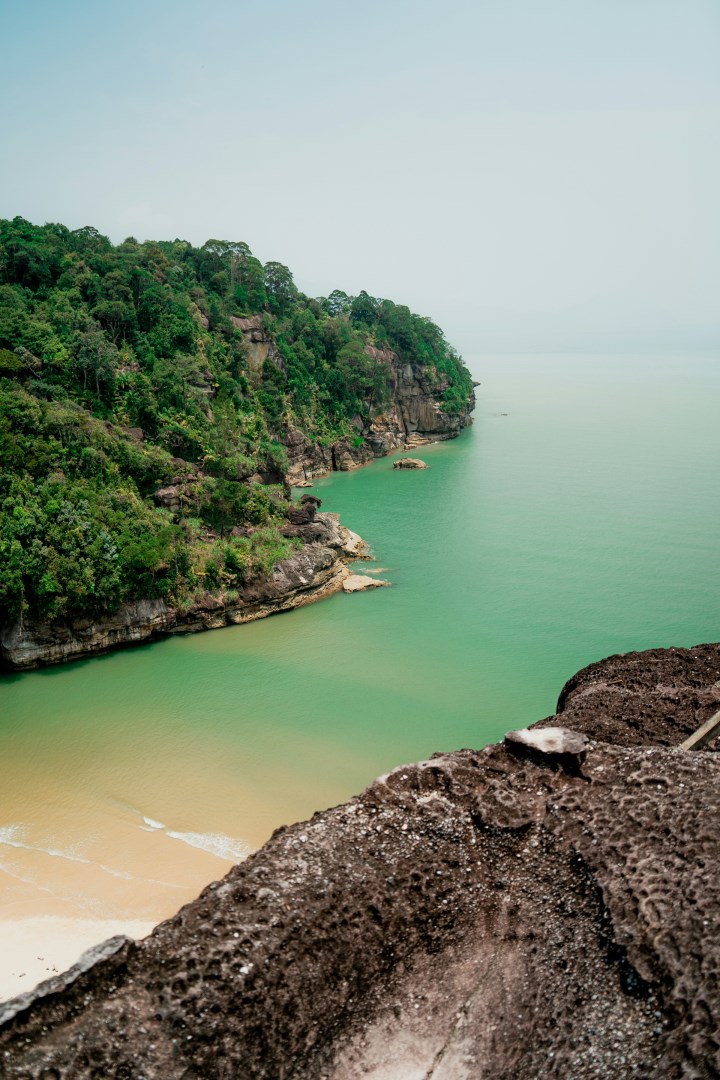
Bako National Park is a treasure for nature lovers. Just off the coast of Borneo, it’s one of the top places to experience Malaysia’s incredible wildlife up close. Hike through dense jungle trails and winding mangrove forests, where you might spot rare proboscis monkeys, bearded pigs, and flashes of color from tropical birds
