
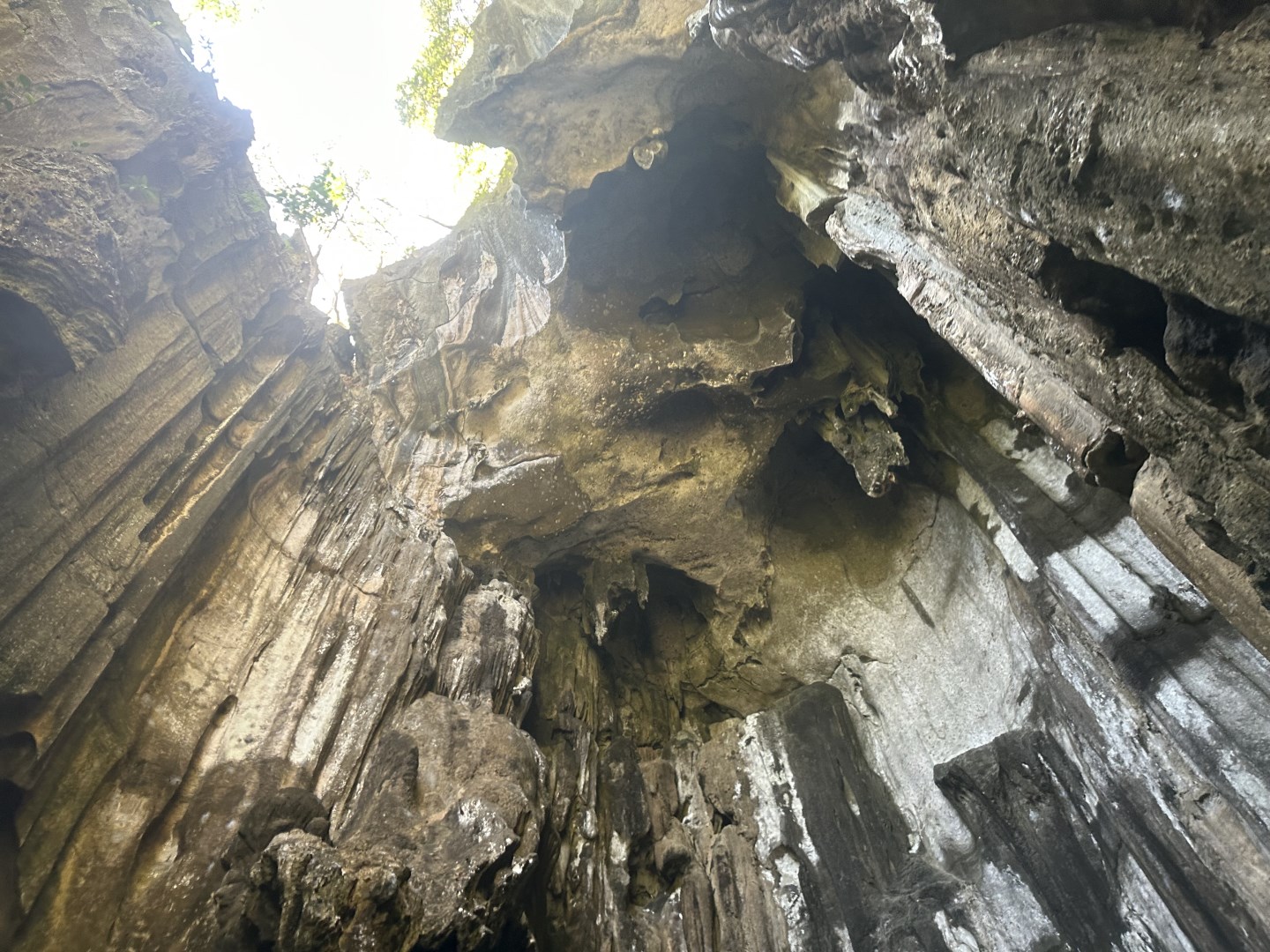
Sawa-i-Lau
Discover a distinctive limestone island known for its sunlit saltwater caves, hidden inner chamber, and enduring place in Yasawa legend.
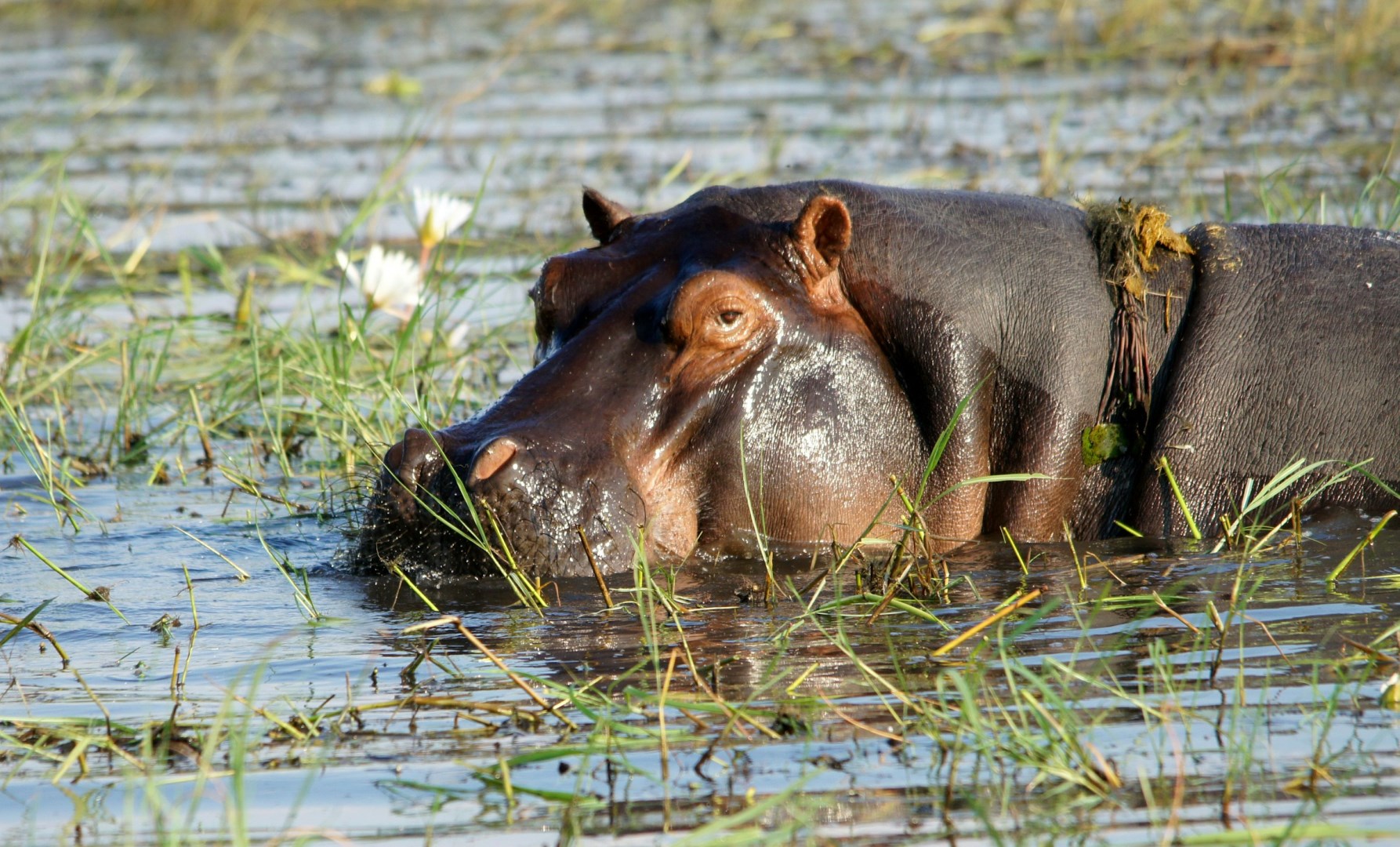
Zambezi River
The Zambezi River is one of Africa’s major waterways and an important part of Zambia’s landscape, flowing across the country before continuing through several southern African nations. In Zambia, the river passes through wetlands, woodland, floodplains, and protected wildlife areas, including Lower Zambezi National Park.
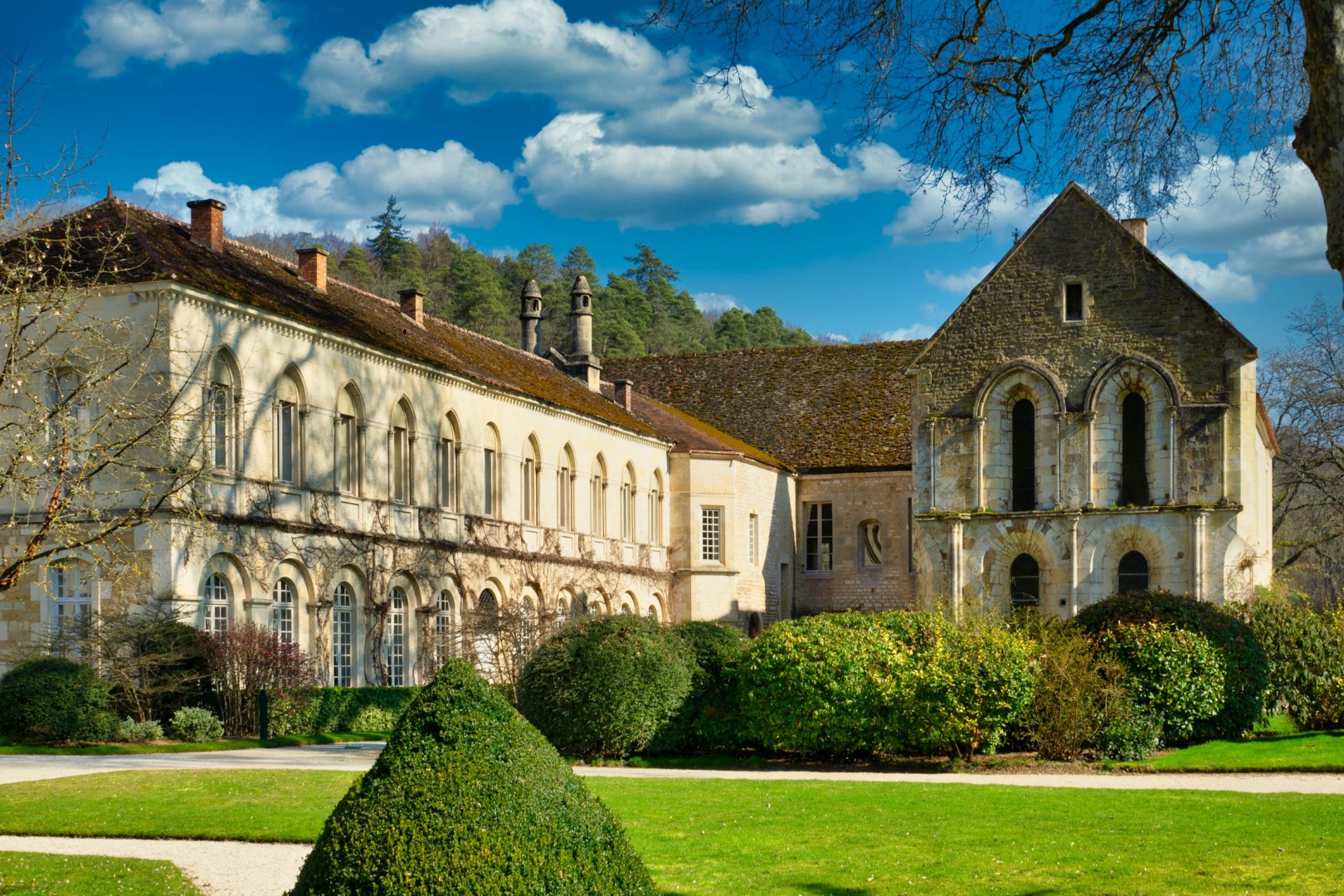
Montbard
Montbard is a small Burgundy town shaped by the legacy of naturalist Buffon, with terraced gardens, medieval remains, and the Canal de Bourgogne running through its landscape. Beyond Parc Buffon, it offers easy access to Fontenay Abbey and the Grande Forge de Buffon, while local specialties such as Saupiquet Montbardois give the town a distinct regional identity.
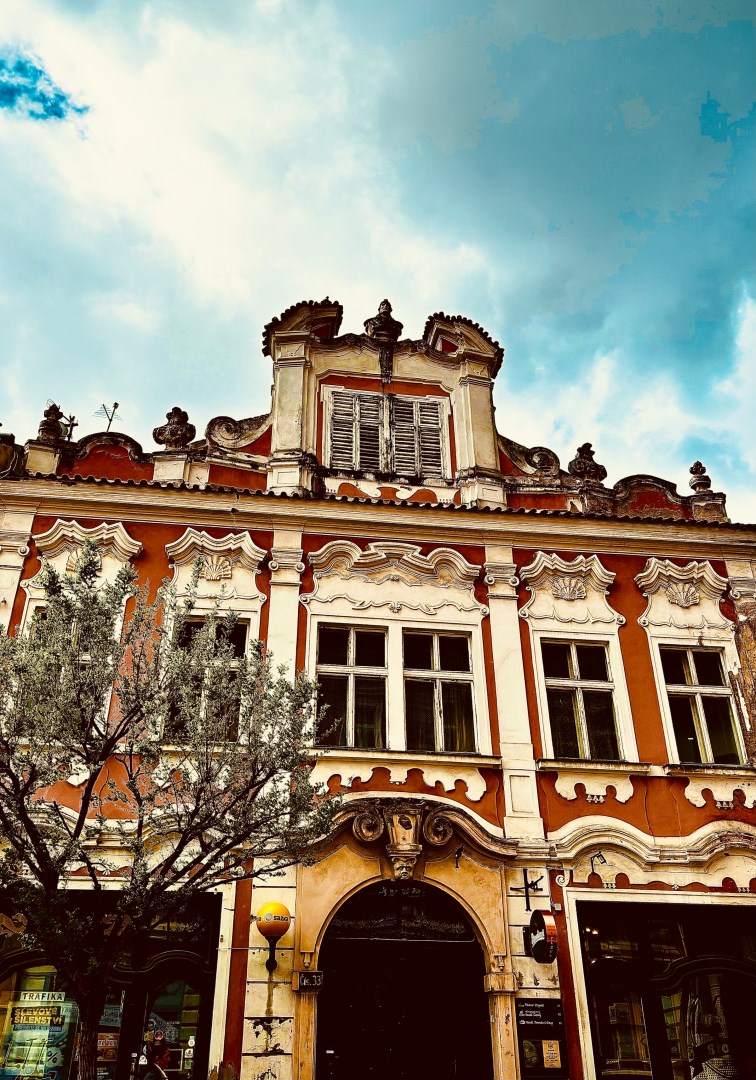
Mariánské Lázně
Over forty curative springs bring recuperative powers to visitors of this town, also known as "The pearl of European spas."
Gotland
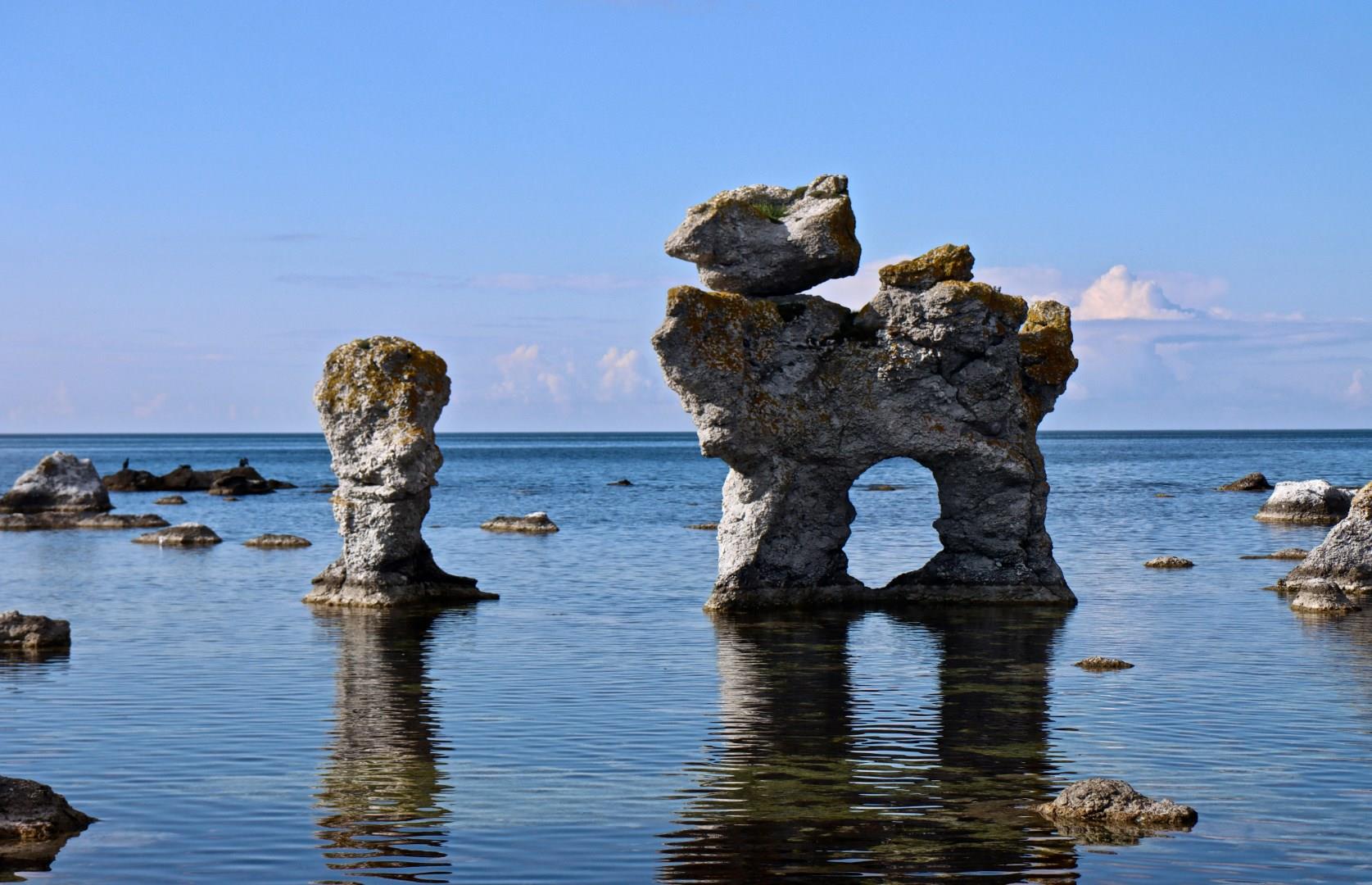
Gotland, Sweden’s largest island, sits in the Baltic Sea and feels like a world of its own. Its main town, Visby, is a UNESCO World Heritage site and one of the best-preserved medieval towns in Northern Europe. Surrounded by a 3.5-kilometer stone wall with original towers still intact, Visby once served as a key Hanseatic trading hub. Visitors can walk along cobbled streets lined with rose-covered cottages, explore Gothic church ruins, and climb up the city wall for views over the harbor.
