

Georgia
Georgia, nestled at the crossroads of Europe and Asia, is a country defined by dramatic landscapes, rich traditions, and a deep sense of history. The snow-capped Caucasus Mountains rise in the north, offering scenic hiking trails and ancient villages, while the Black Sea coastline in the west provides a warmer, more relaxed atmosphere.

Shannon
Nestled in the heart of County Clare, Shannon, Ireland, is a charming town renowned for its rich history and vibrant culture. Visit Shannon between May and September for the best weather and to enjoy local festivals and events that celebrate the town’s vibrant culture and community spirit.

Merzouga
Merzouga, a small village located in southeastern Morocco, is the gateway to the stunning Erg Chebbi dunes, one of the most iconic desert landscapes in the world. These towering sand dunes, which can reach heights of up to 150 meters (492 feet), offer an unparalleled opportunity for adventure and exploration. The contrast between the golden sands and the clear blue sky creates a breathtaking panorama that is perfect for photography and desert excursions.

Montréal
Montréal is a city shaped by layers of French and British history, with modern flair built into every corner. Founded in 1642 as Ville-Marie, it’s one of the oldest cities in North America. Visitors walking through Old Montréal will find cobblestone streets, 18th-century buildings, and landmarks like the Notre-Dame Basilica, known for its deep blue interior and grand organ with over 7,000 pipes.
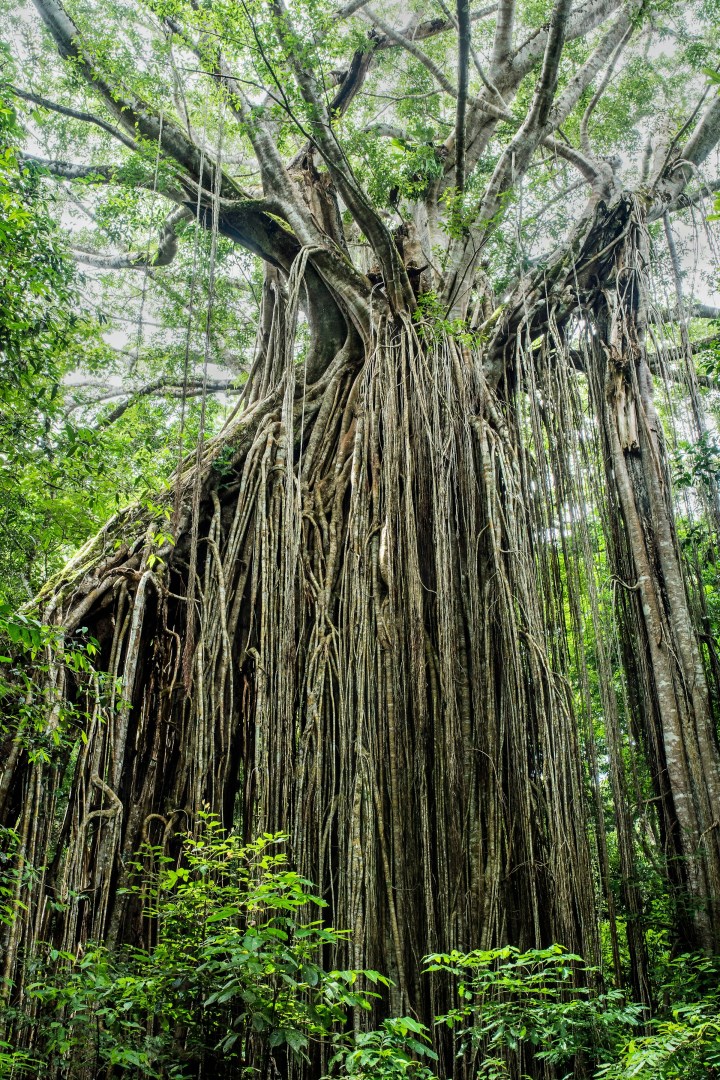
Atherton Tablelands
A picturesque mosaic of unique plant and animal habitats, rainforests, national parks, mountains, rivers, lakes and beautiful waterfalls, combined with some of Australia's richest agricultural lands and charming small "picture postcard" townships - all just a one hour drive from Cairns.
