

Washington D.C.
Washington, D.C., the vibrant capital of the United States, offers a perfect blend of history, politics, and culture that makes it a must-visit destination for travelers. Known for its iconic landmarks, such as the Lincoln Memorial, the Washington Monument, and the U.S. Capitol, D.C. offers endless opportunities to explore the country’s history through its architecture and museums.

Halifax
The capital of Nova Scotia, Halifax is a charming seaside destination in Eastern Canada. Rich in maritime history and once a major trading hub, this city boasts fresh air, lovely sunsets, and a laid-back vibe. Must-see attractions include the hilltop fort Halifax Citadel, the Victorian-era Halifax Public Gardens, and the Maritime Museum of the Atlantic.
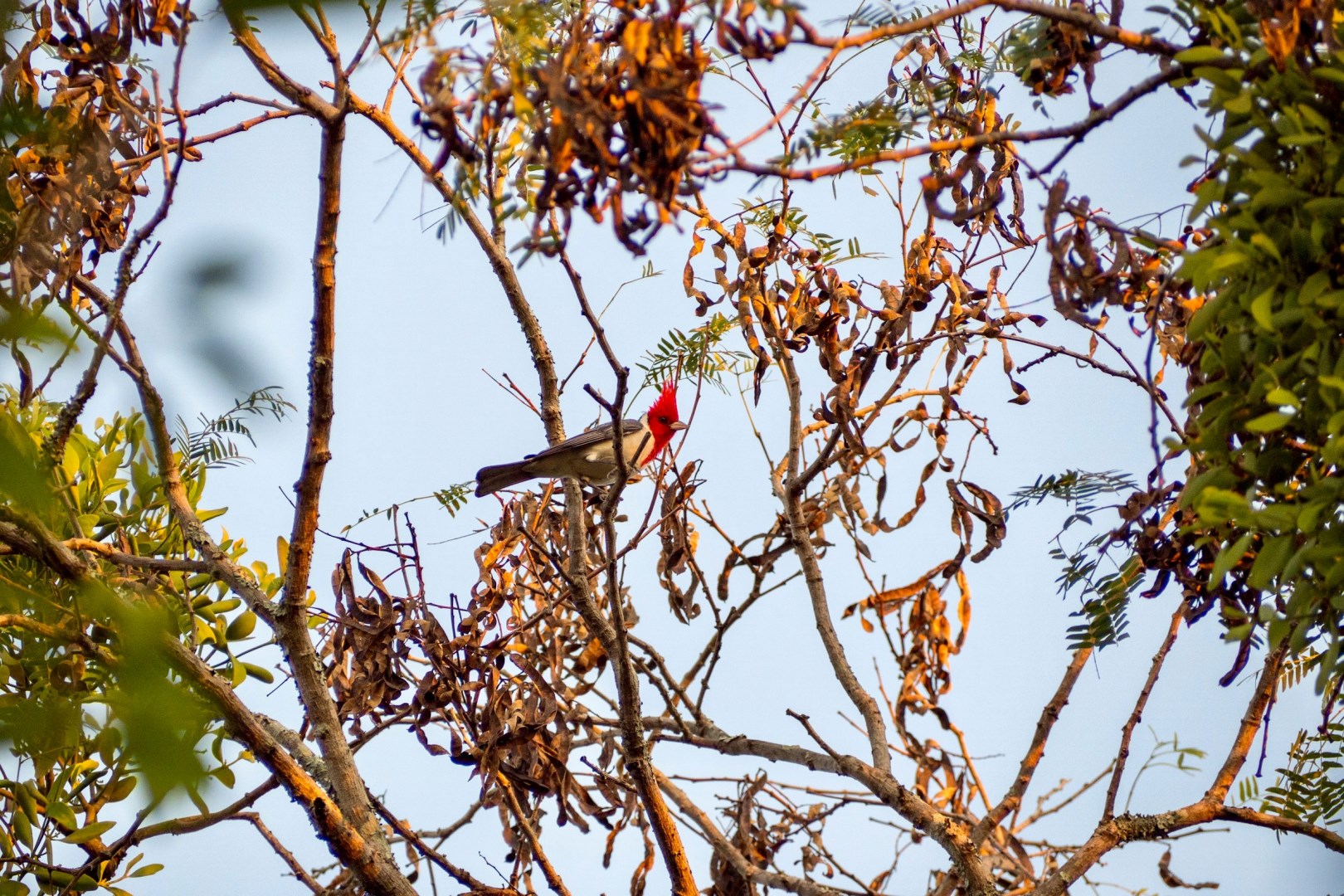
Paraguay
Paraguay is a country that moves to its own rhythm. Landlocked and often overlooked, it’s one of South America’s most culturally distinct destinations. With two official languages, Spanish and Guaraní, and a strong Indigenous heritage, Paraguay offers a travel experience shaped more by tradition than by trend. For travelers drawn to wild, open landscapes, Paraguay offers two distinct ecosystems: the lush, river-fed east and the remote, dry Chaco in the west.
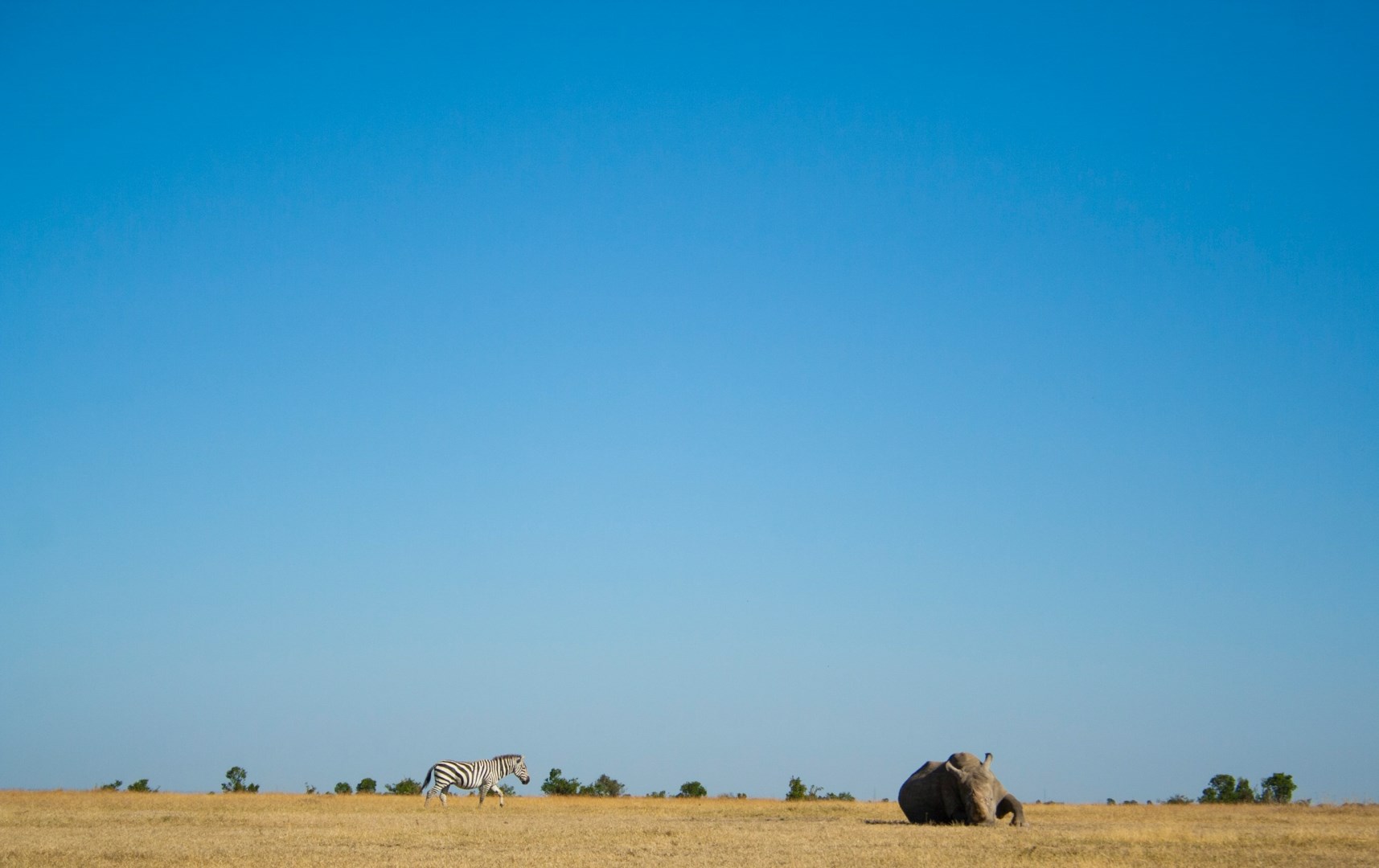
Nanyuki
Nanyuki, located on the equator in central Kenya, is a lively town that serves as a gateway to Mount Kenya and the Laikipia Plateau. Founded by British settlers in the early 20th century, it still carries traces of its colonial past while embodying the energy and diversity of modern Kenya.
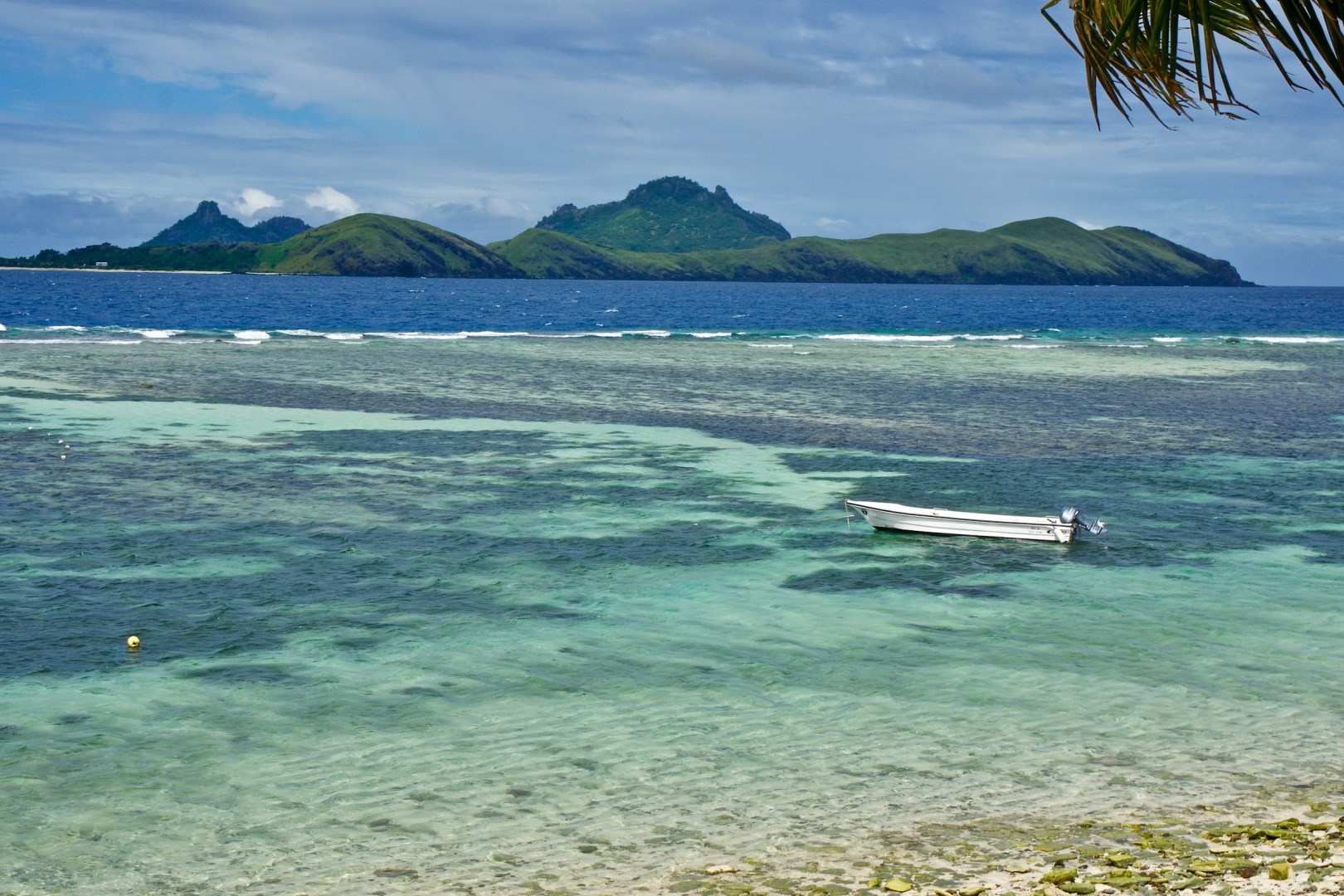
Tokoriki Island
Tokoriki Island is located in the northern Mamanucas of the Fiji Islands. This is a prime location for scuba diving and water sports.
