

Portsmouth
Whether it’s delving into naval history, enjoying panoramic views, or soaking in the coastal charm, Portsmouth offers an engaging and memorable experience for all who visit.
Manuel Antonio National Park
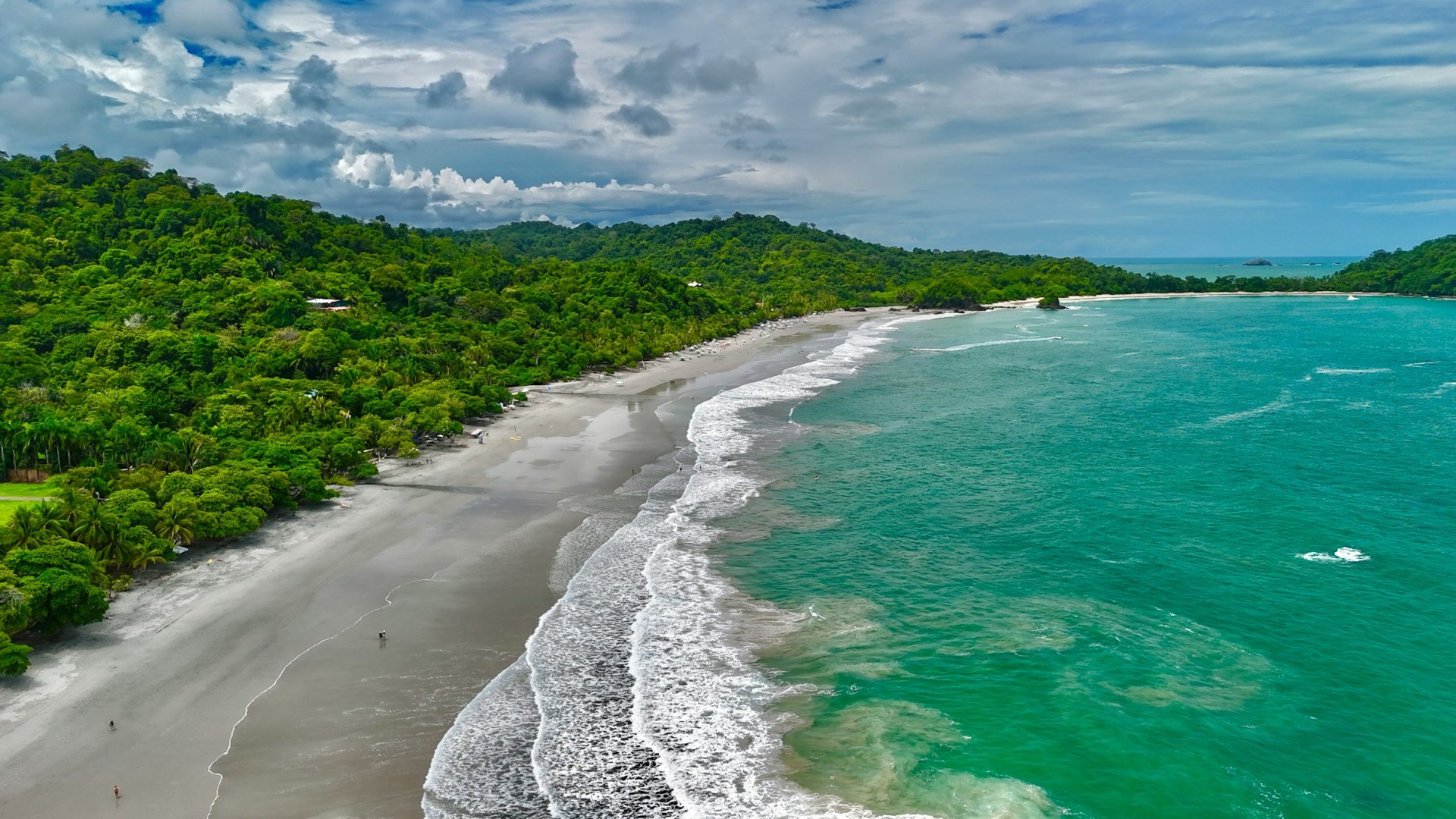
Nestled along Costa Rica's Pacific coast, Manuel Antonio National Park is a jewel of biodiversity and natural beauty that enchants every traveler who steps into its lush embrace. Renowned for its pristine beaches, dense rainforests, and remarkable wildlife, the park offers a unique combination of adventure and relaxation. Hike along the park's well-maintained trails, like the Punta Catedral trail, which winds through the jungle and offers stunning panoramic views of the Pacific Ocean.
St. John's
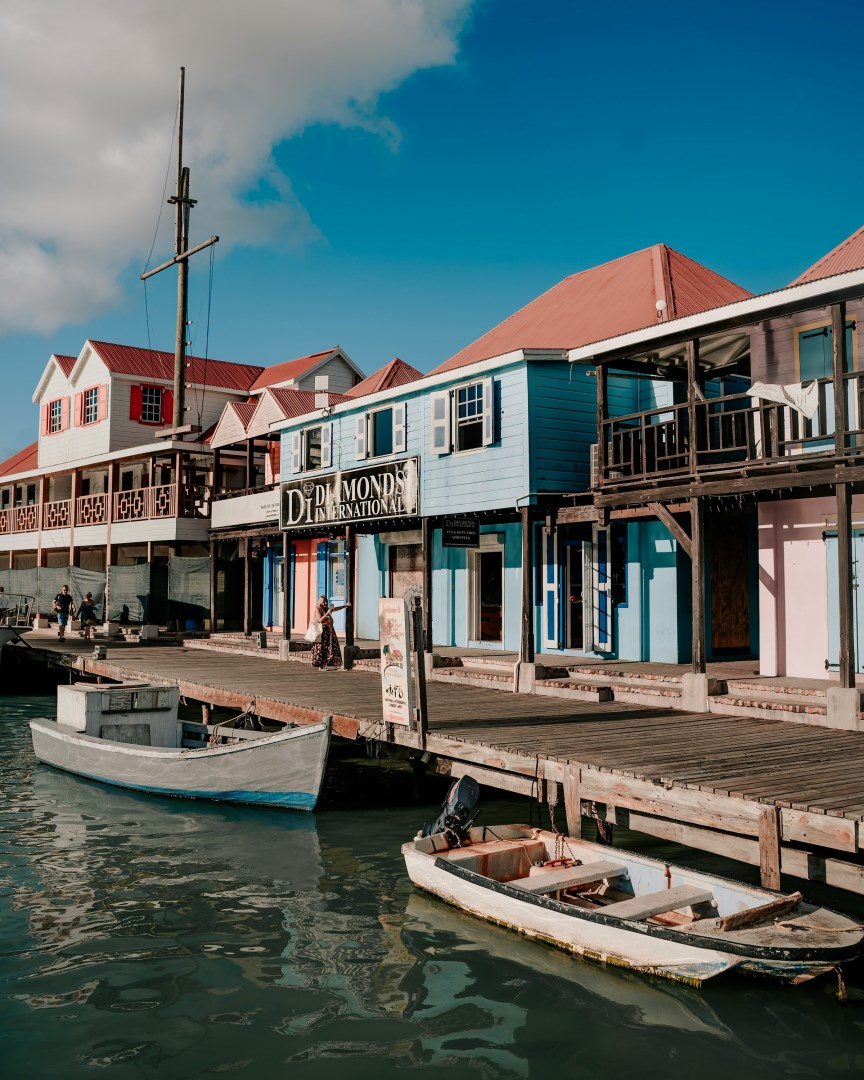
Saint John, the vibrant capital of Antigua and Barbuda, is a captivating destination known for its colorful colonial architecture. The city offers visitors a charming mix of history, culture, and natural beauty.
El Paso
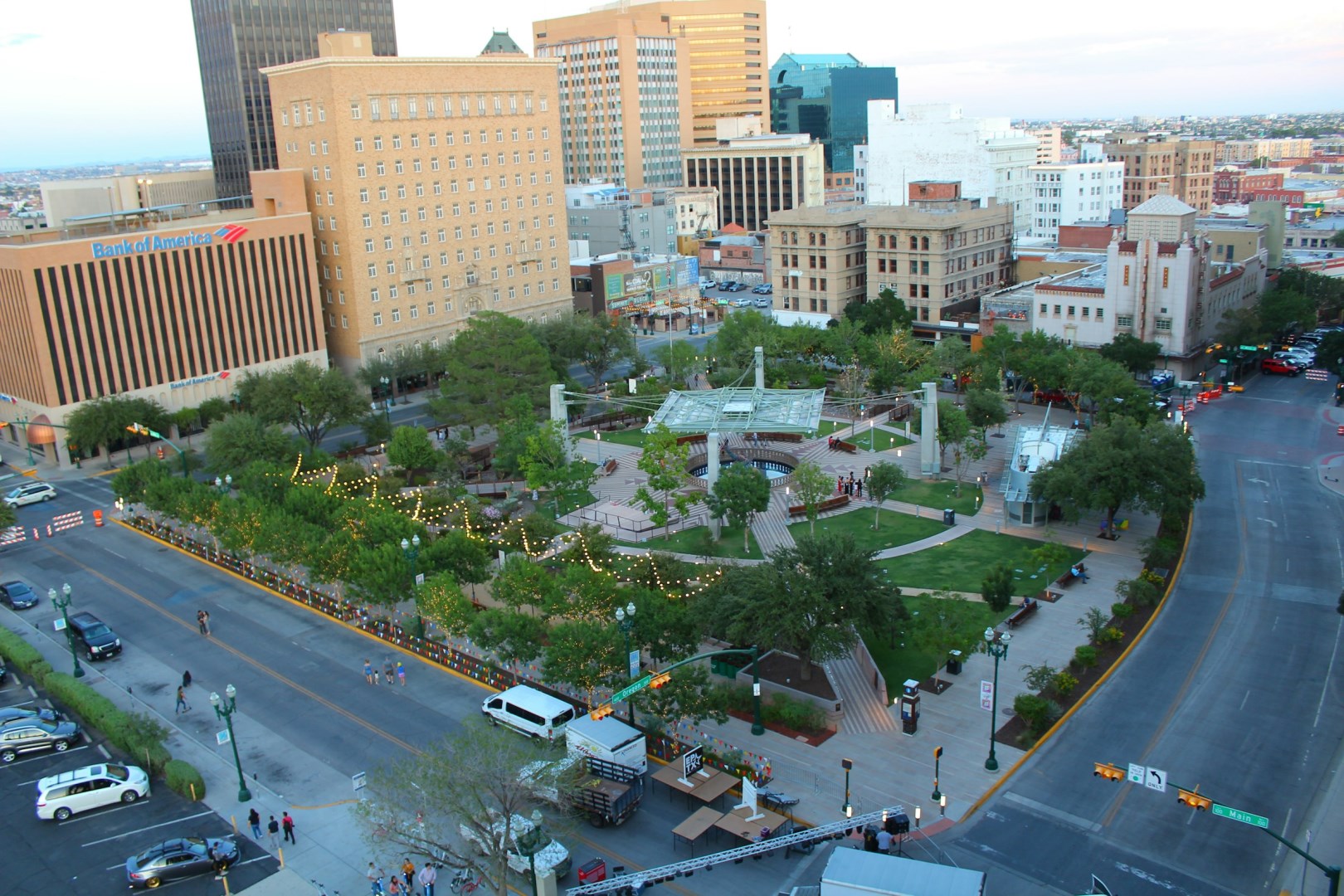
El Paso, located in far western Texas along the Rio Grande, is a vibrant border city that blends American, Mexican, and Native American cultures. Its location at the meeting point of Texas, New Mexico, and Chihuahua, Mexico, has shaped a rich cultural tapestry, visible in its architecture, cuisine, and community traditions. El Paso’s history stretches from indigenous settlements to Spanish colonial influence, all of which contribute to the city’s unique identity.

Tuscaloosa
America's One and Only.
See and do it all in Greater Tuscaloosa. Every fall, the nation's eyes focus on Tuscaloosa for the best in college gridiron action at the University of Alabama's Bryant-Denny Stadium. Tuscaloosa visitors can choose from a variety of other forms of entertainment. Over 20 points of interest including a historic theater, several parks, and a variety of galleries, museums and antebellum homes radiate around the area.
