
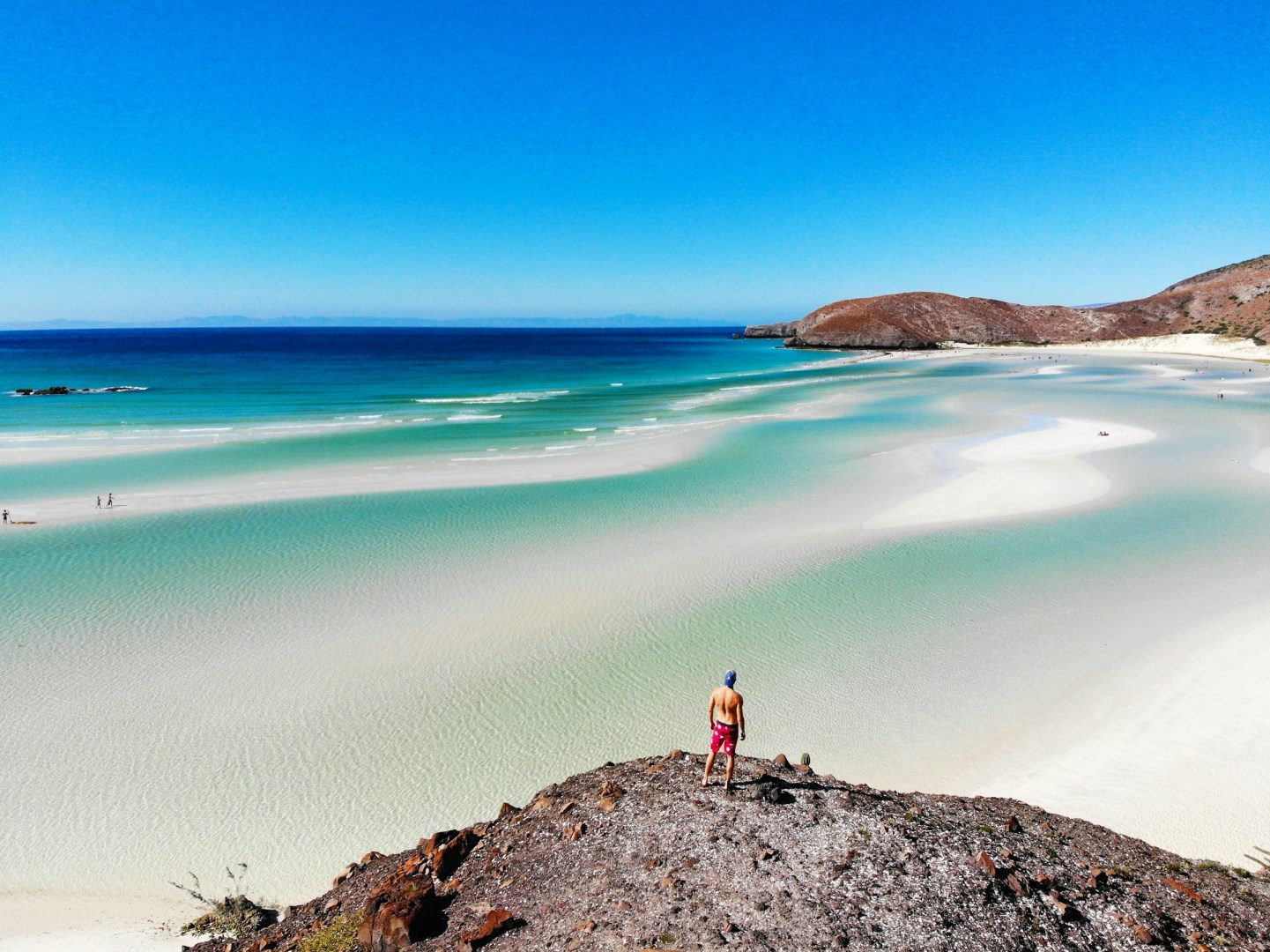
La Paz
Located on the Baja Peninsula of Mexico, below California. La Paz is famous for its fishing.
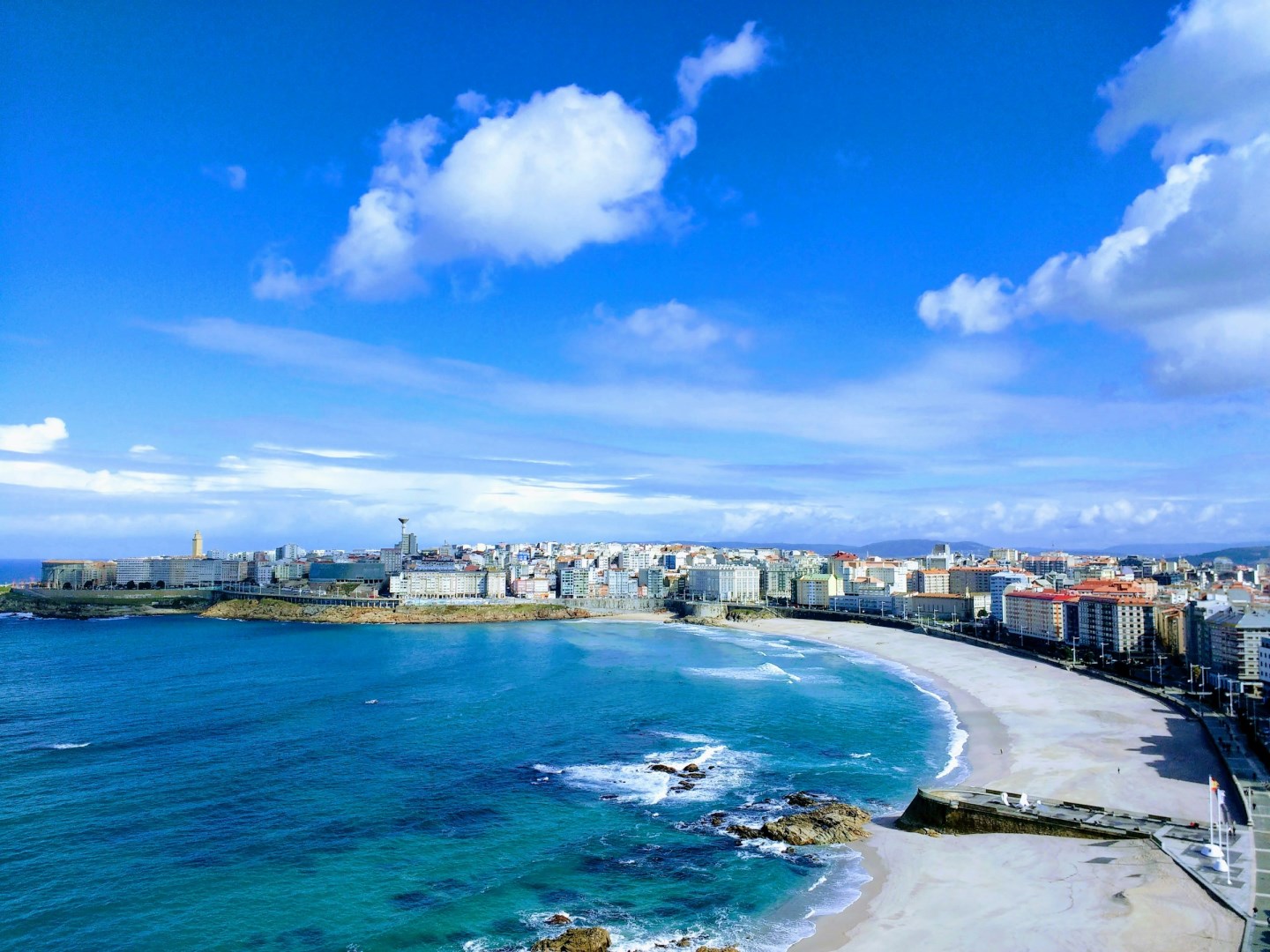
A Coruna
Perched on the northern coast of Spain, A Coruña (or La Coruña) is a captivating city with a rich maritime heritage and scenic beauty. Dominated by its iconic lighthouse, the Torre de Hércules, which is the oldest functioning lighthouse in the world, A Coruña offers a unique glimpse into ancient engineering.

Sa Dec
A lesser-known river port in the Mekong Delta, Sa Dec was once the capital of Dong Thap province of southern Vietnam. Today, it is best known for its flower gardens and authentic bustling market. The city is also famous as the setting for French writer Marguerite Duras' 1984 novel, The Lover, and its 1991 film adaptation of the same name.
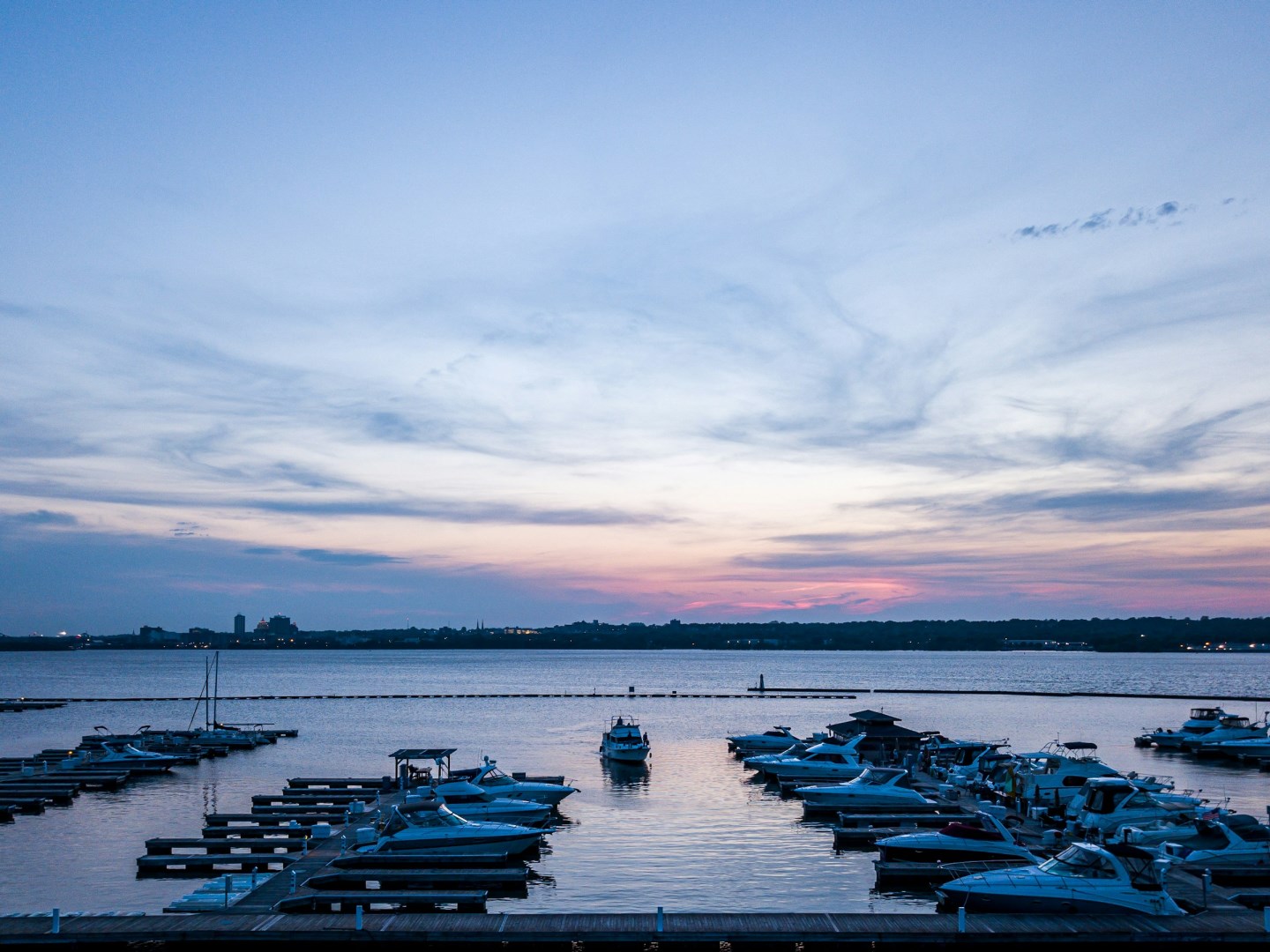
Peoria
Peoria is a city in central Illinois situated along the Illinois River, where wooded bluffs rise above a broad river valley. The river has long influenced the city’s economy, transportation, and recreation, while the surrounding landscape includes parks, forests, farmland, and rolling terrain. Downtown Peoria extends toward the riverfront and contains museums, restaurants, theaters, and public spaces. The city is also closely associated with Caterpillar, whose deep roots in the Peoria area have

Pokhara
Pokhara, nestled in central Nepal, sits at the base of the Annapurna mountain range and has long served as both a rest stop for trekkers and a destination in its own right. What sets Pokhara apart is the rare opportunity to see 8,000-meter peaks like Machapuchare (Fishtail) and Annapurna I reflected in the calm waters of Phewa Lake. Early mornings are often the clearest, with boat rides offering peaceful views of snow-capped peaks mirrored in the lake.
