
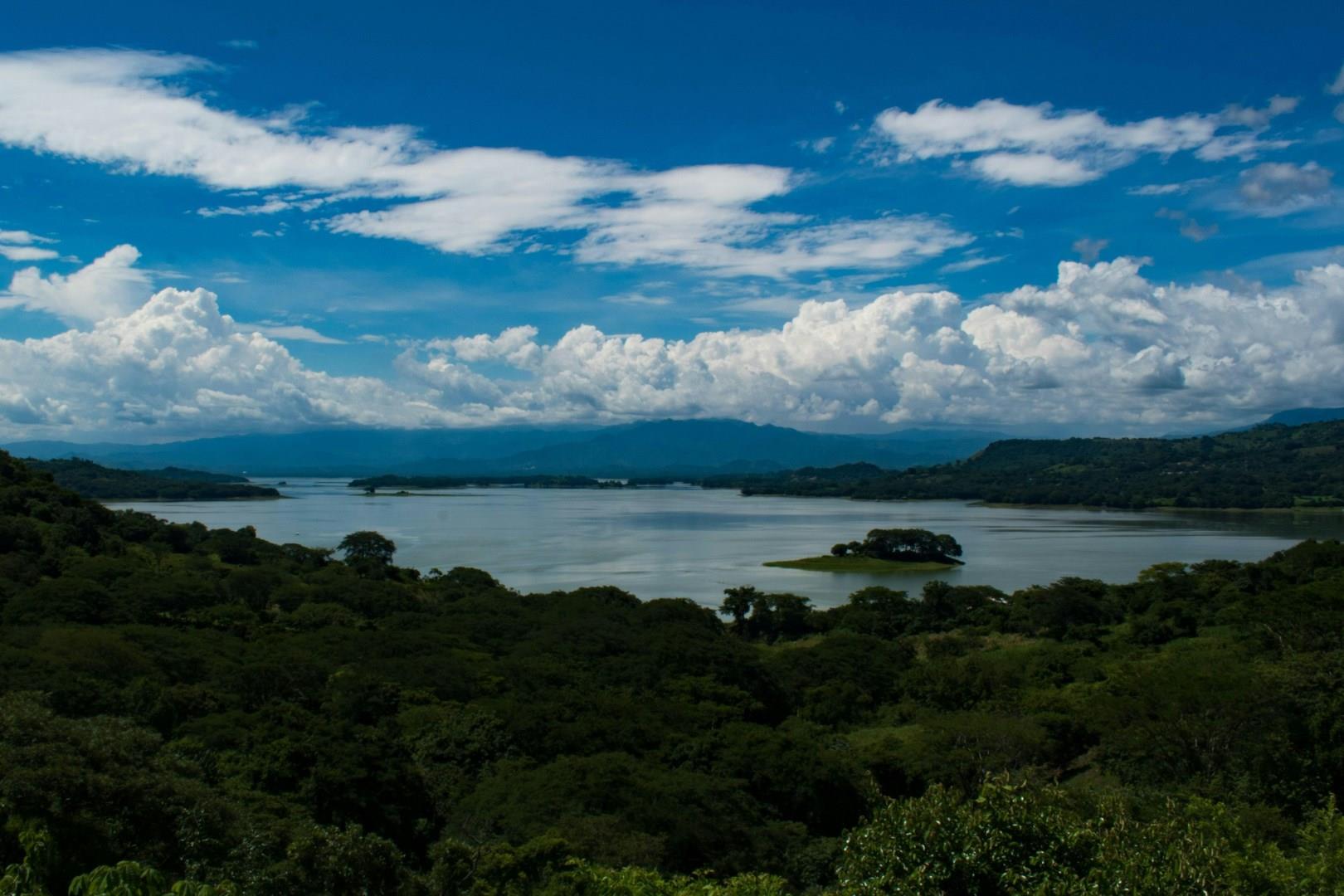
Suchitoto
Suchitoto, located in the Cuscatlán department of El Salvador, is a hilltop town known for its cobblestone streets and scenic views of Lake Suchitlán. Once an important center for indigo production, the town still celebrates its dye-making history through artisan workshops where visitors can learn to create textiles using natural indigo. The name “Suchitoto” comes from the Nahuatl language and means “place of flowers and birds,” a nod to the area’s diverse birdlife and surrounding vegetation.
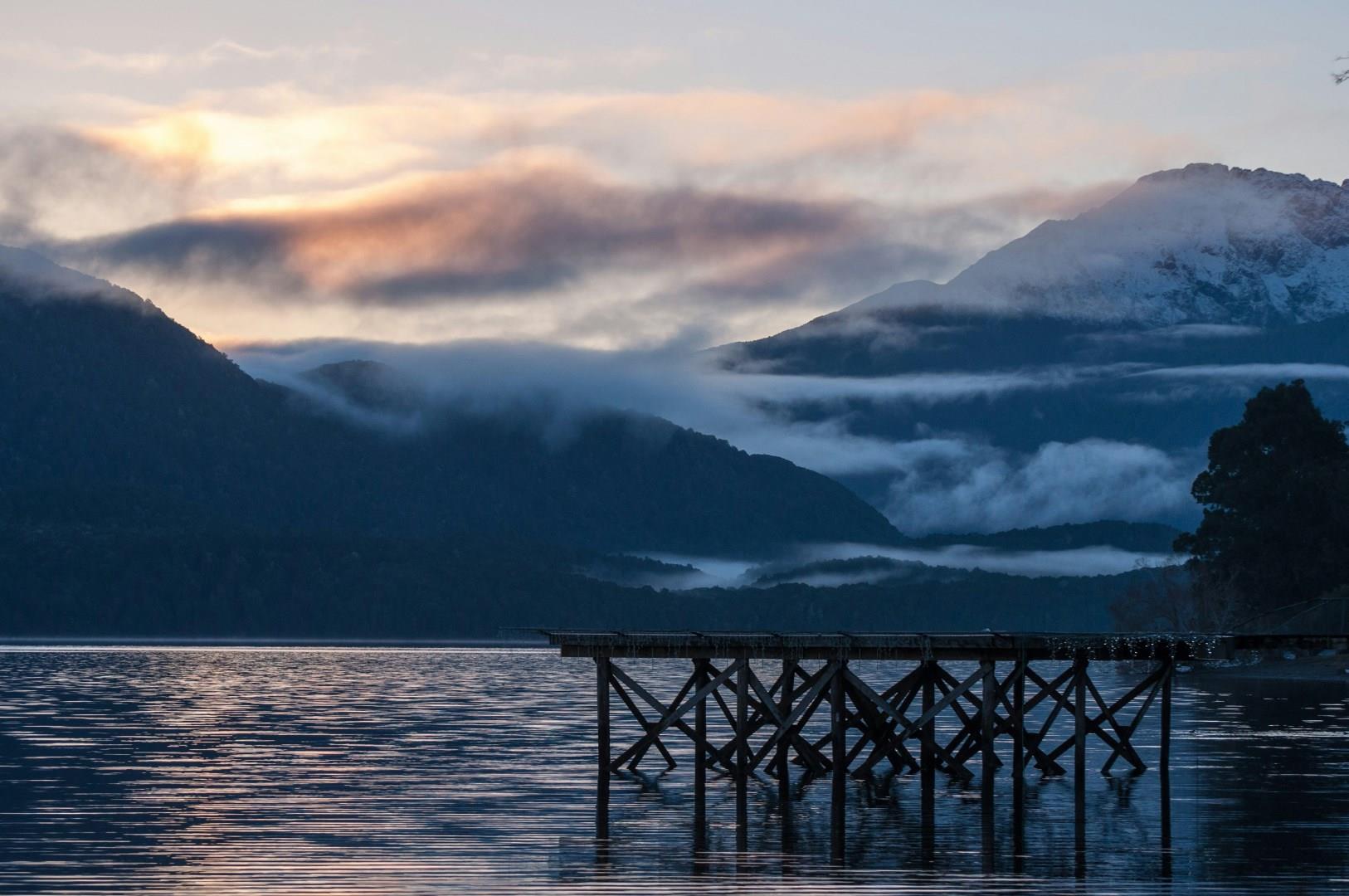
Te Anau
Te Anau sits on the edge of New Zealand’s second-largest lake, acting as the unofficial gateway to Fiordland National Park. While it’s often viewed as a starting point for trips to Milford Sound, the town itself offers a slower, more scenic way to experience the South Island’s dramatic landscapes. Te Anau’s lakefront is a mix of walking paths, local birdlife, and wide-open views across snow-dusted peaks.

Huangshan
Huangshan, also known as the Yellow Mountains, is one of China’s most iconic and culturally significant mountain landscapes.
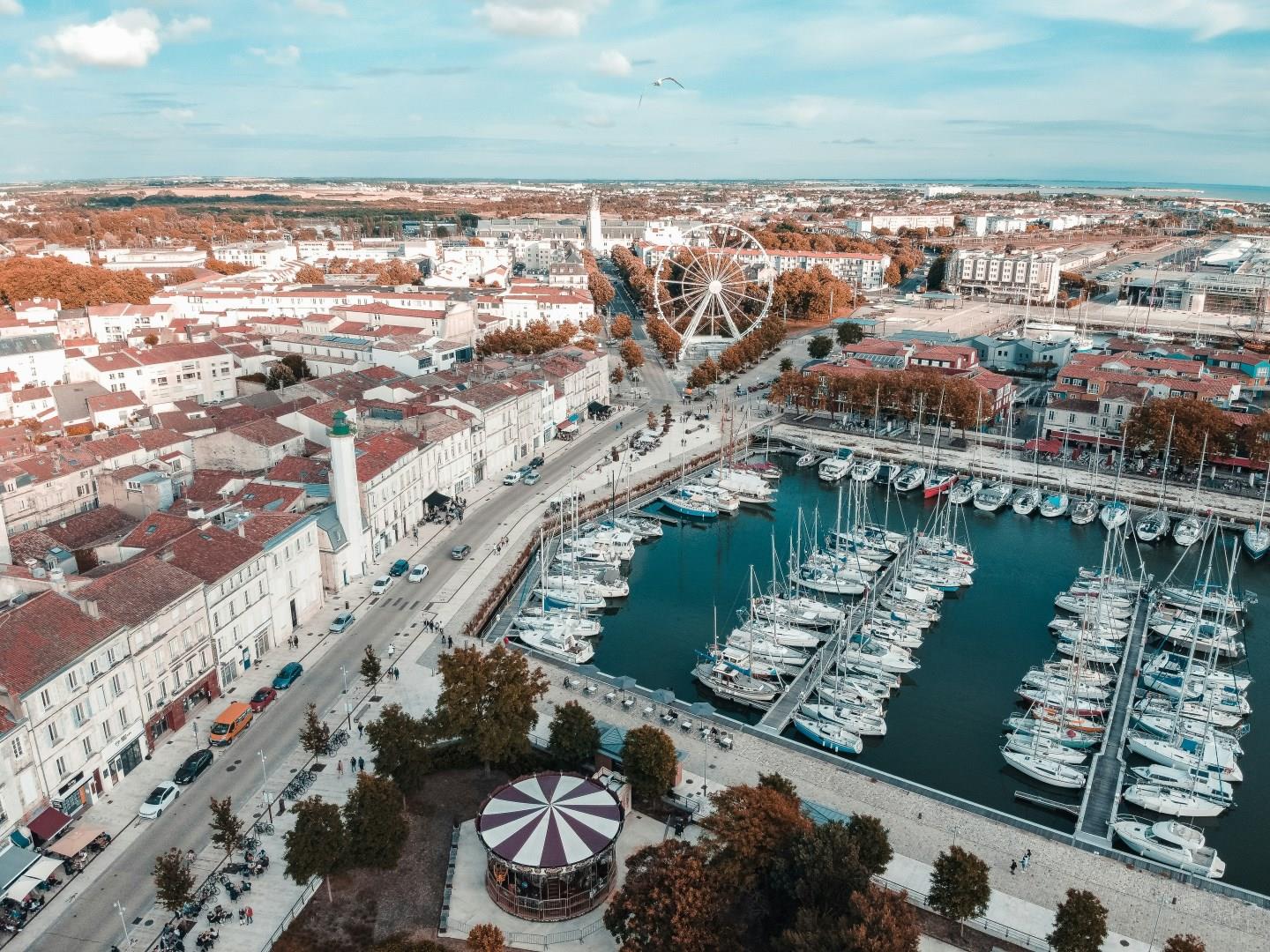
La Rochelle
La Rochelle sits on France’s Atlantic coast, shaped by centuries of maritime trade, independence, and outward-looking ambition. Once a powerful port with strong Protestant roots, the city developed a reputation for autonomy that still colors its identity. Its old harbor, guarded by medieval towers, reflects a history tied to navigation, commerce, and connections far beyond western France.

Yangon
Yangon, Myanmar’s largest city, blends colonial heritage, cultural diversity, and spiritual landmarks. Once the country’s capital, it remains the economic and cultural hub, with lively markets, tree-lined avenues, and historic buildings that reflect its layered past under British, Burmese, and regional influences.
