

Berlin
Berlin has an undeniable history. The horrors of World War II, division, reunification, revolution all profoundly impacted the city in the 20th century. Today, visitors will find a sophisticated, high-energy city with endless cultural, architectural and gastronomic attractions.

Milford Sound
Milford Sound, located in New Zealand’s Fiordland National Park, is often described as one of the most awe-inspiring landscapes in the country. Carved by glaciers during the Ice Age, the fjord is framed by sheer cliffs that plunge into deep waters, with iconic peaks like Mitre Peak rising dramatically above the sound.
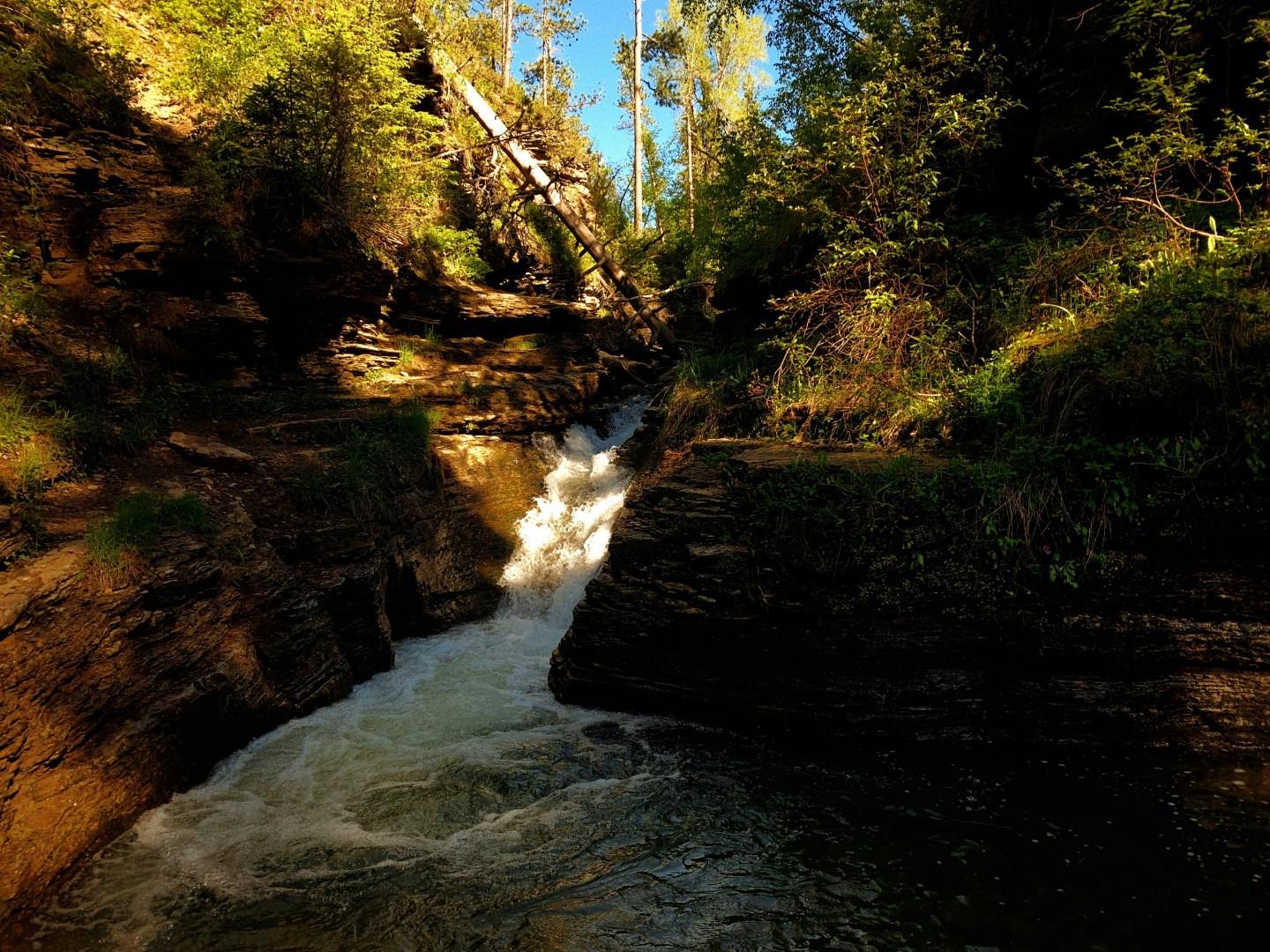
Lead
Lead’s Main Street reflects its long history with places that invite people to explore local life beyond mining. The Black Hills Mining Museum offers displays of mining tools, machinery and a simulated underground mine experience that brings to life how miners worked the Black Hills over generations. Along the same street, galleries, cafés and historic buildings make for pleasant stops between deeper dives into the past.

Verona
Verona is situated at a bend of the Adige River in northern Italy. It is hard to imagine that antique arts, monuments that date back to Roman times, and the shadows of the world's most famous tragic lovers can add up to a smiling, buzzing city. Yet they do, thanks perhaps to Verona's talent for melding her past and her present, her ancient and new so gracefully that everything blends in easy harmony.

Estonia
>Estonia, a hidden gem in Northern Europe, boasts a fascinating mix of medieval charm and modern vibrancy. The capital city, Tallinn, is renowned for its well-preserved medieval Old Town, a UNESCO World Heritage Site. Wander through the cobbled streets of the Old Town, where you’ll encounter stunning Gothic architecture, including the impressive Alexander Nevsky Cathedral and the Town Hall, with its ornate spire and charming square.
