

Bhutan
Bhutan, often called the “Land of the Thunder Dragon,” is a Himalayan kingdom known for its dramatic landscapes and deeply rooted traditions. Towering peaks, forested valleys, and winding rivers set the stage for a country that has long prioritized harmony between nature and culture.

Maui Island
Maui is a Hawaiian paradise offering an incredible variety of landscapes, experiences, and cultural traditions. Known for its valleys, beaches, and volcanic peaks, Maui attracts visitors who want to immerse themselves in nature and Hawaiian heritage. The island’s crown jewel is Haleakalā National Park, where the massive dormant volcano provides beautiful scenery and unforgettable sunrise views. Visitors can hike through the park or stargaze under one of the clearest night skies in the world.

Kamloops
Kamloops, located in the interior of British Columbia, sits at the meeting point of the North and South Thompson Rivers. The name comes from the Secwépemc word “Tk’emlúps,” meaning "where the rivers meet," and the area has been a gathering place for Indigenous communities for thousands of years. Today, visitors can explore this rich cultural heritage at the Secwépemc Museum and Heritage Park, where trails lead through archaeological sites and reconstructed pit houses.
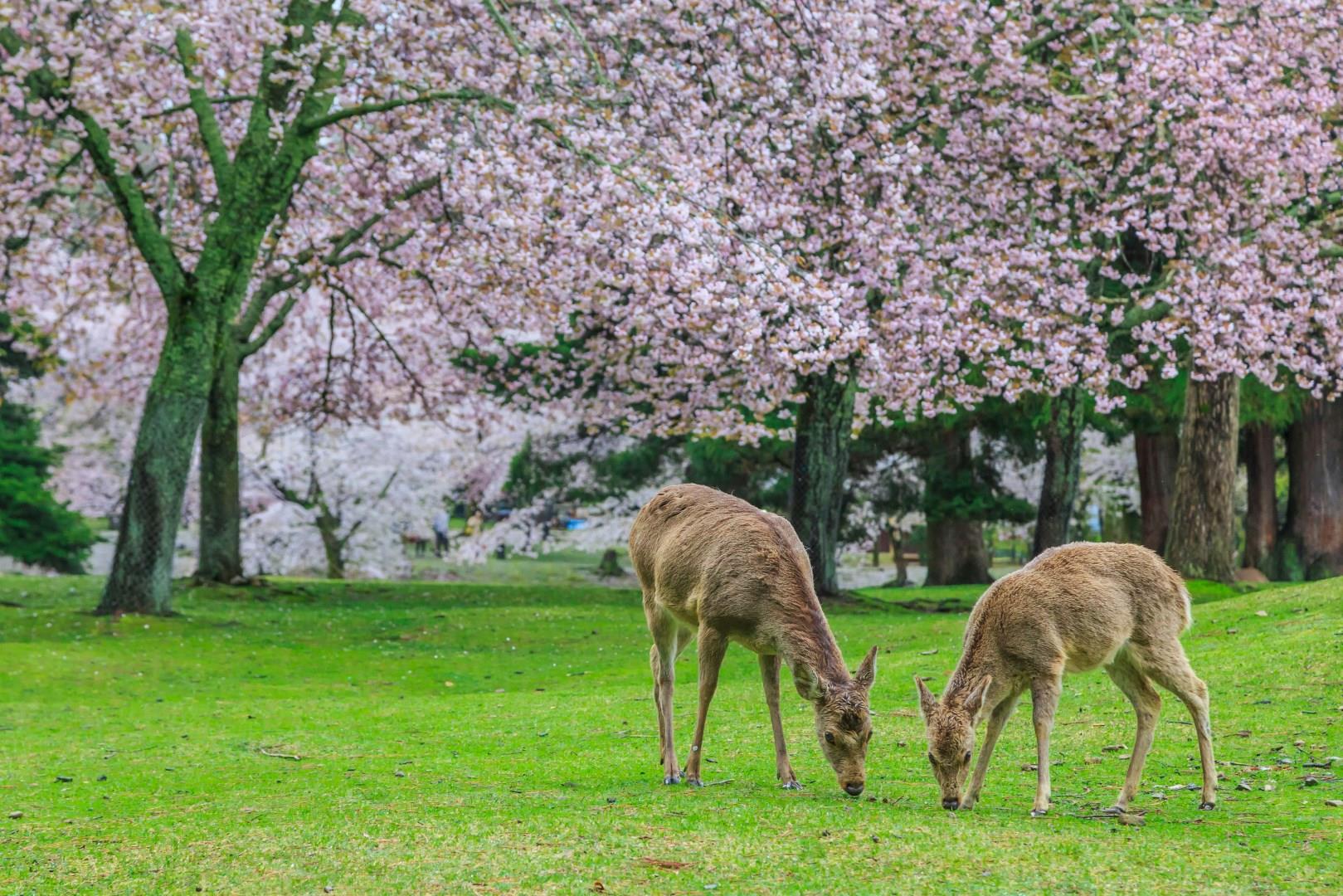
Nara
Nara, located in Japan’s Kansai region, is a city where ancient history and serene landscapes coexist. As the country’s first permanent capital, it preserves a wealth of historic sites that reflect its significance during the Nara period.

Cadiz
With its captivating blend of ancient history, sun-drenched beaches, and vibrant Andalusian culture, Cádiz, Spain, stands as one of Europe’s oldest continually inhabited cities. Founded over 3,000 years ago by the Phoenicians, this coastal gem in southern Spain offers a rich tapestry of historical sites and modern charms. The old city of Cádiz is a labyrinth of narrow cobblestone streets, whitewashed houses, and hidden plazas that evoke the city’s Moorish past.
