
Matobo National Park
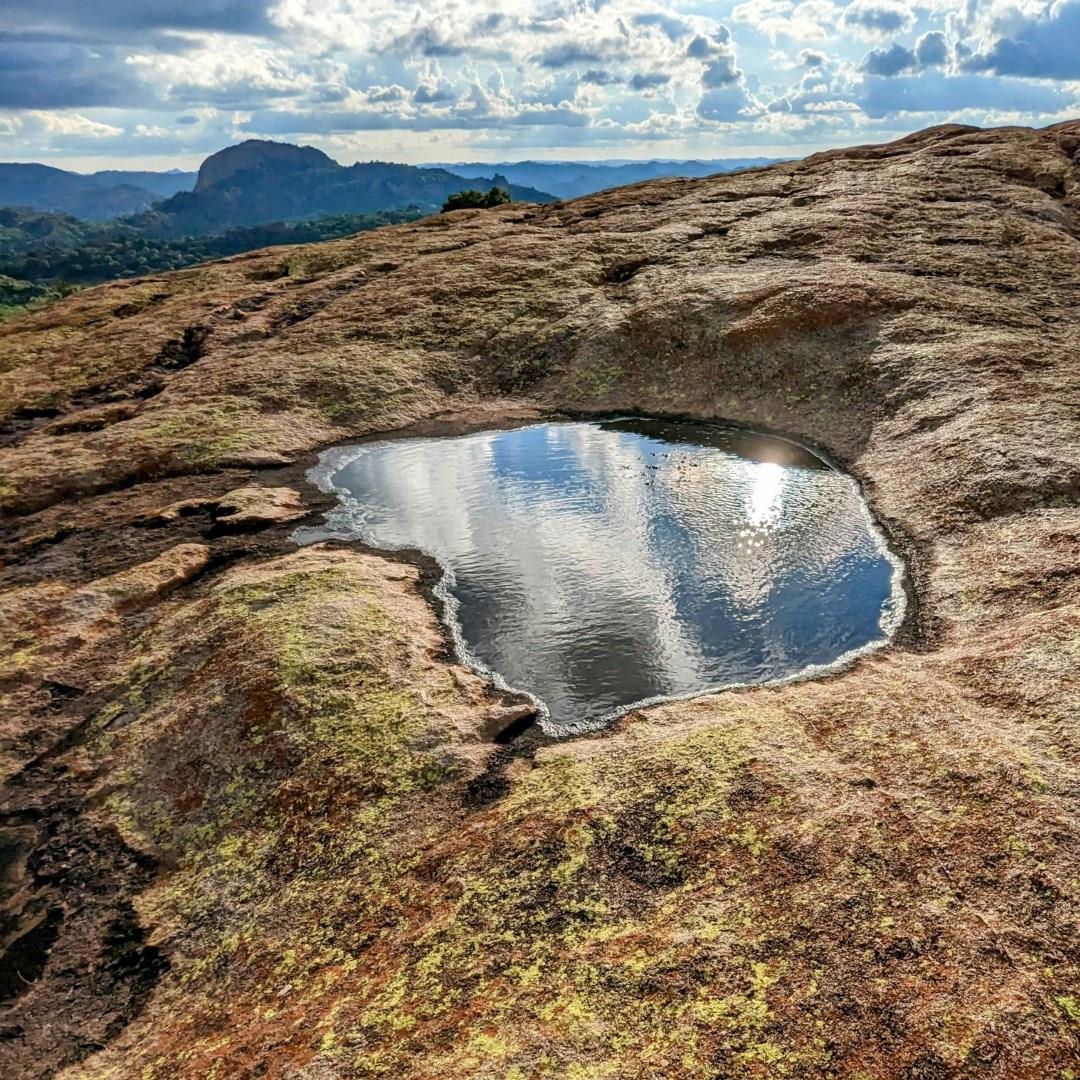
Matobo National Park sits in the rolling hills of southern Zimbabwe stands as one of the country’s most remarkable landscapes. Its granite domes, balancing rocks and wooded valleys have formed over more than two billion years, creating a setting that feels both ancient and alive. As a UNESCO World Heritage cultural site, the park preserves a landscape that has shaped human life here for millennia, drawing travelers to explore its unusual terrain and storied past.
Leon
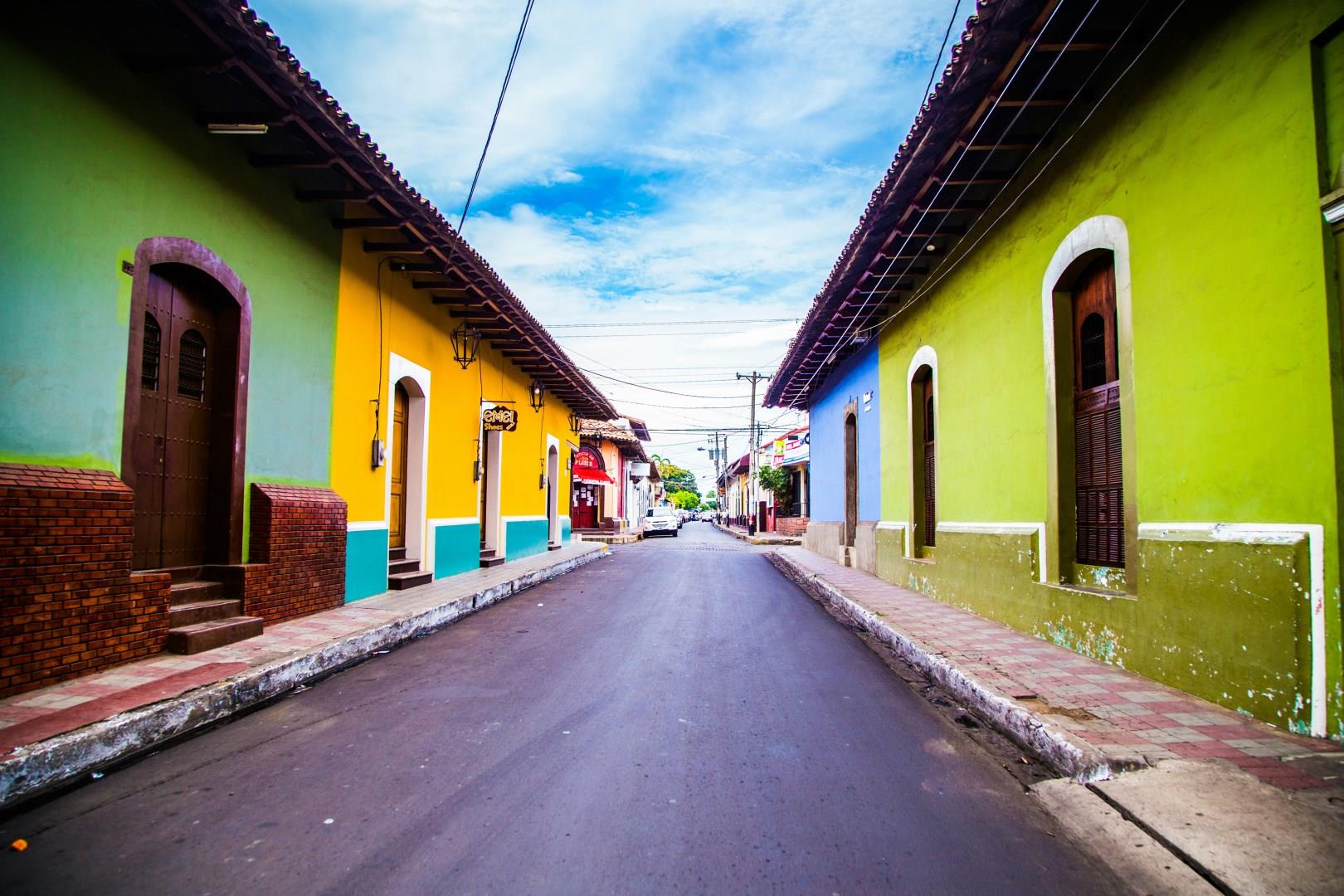
León, Nicaragua serves as the country’s capital for more than two centuries and still feels like the intellectual and political heart of Nicaragua. The city is known for its revolutionary past, visible in murals that stretch across building walls, telling stories of resistance, poets, and everyday citizens. The Cathedral of León, the largest in Central America and a UNESCO World Heritage Site, dominates the central square.
Chengdu
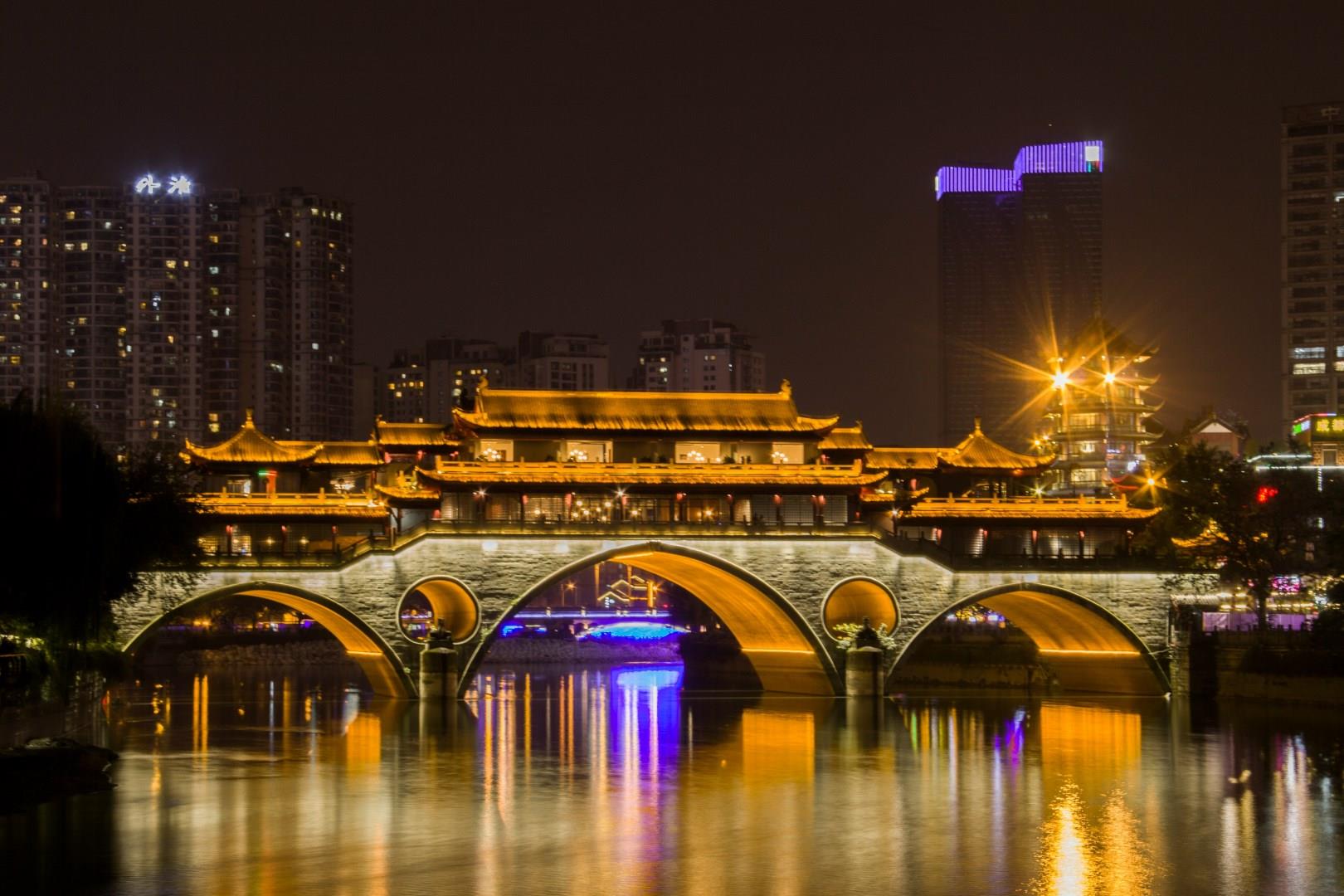
Chengdu, the capital of China's Sichuan Province, blends modern urban life with centuries of history. It is famous as the home of the giant panda, but its cultural significance extends far beyond wildlife.

Tsavo West National Park
Tsavo West National Park, located in Kenya, offers a quintessential safari experience amidst dramatic landscapes and abundant wildlife. This vast park is part of the larger Tsavo ecosystem and is renowned for its diverse habitats, including semi-arid plains, volcanic hills, and lush riverine forests. The park’s centerpiece, the Mzima Springs, provides a vital water source for wildlife and features crystal-clear pools that allow visitors to view aquatic life such as hippos and fish through underw

Tahiti
Tahiti is a veritable paradise in the South Pacific. The largest and most populous island of French Polynesia's Society Islands, Tahiti is known for its iconic overwater bungalows, crystal-clear cerulean water, and lush, tropical rainforests.
