
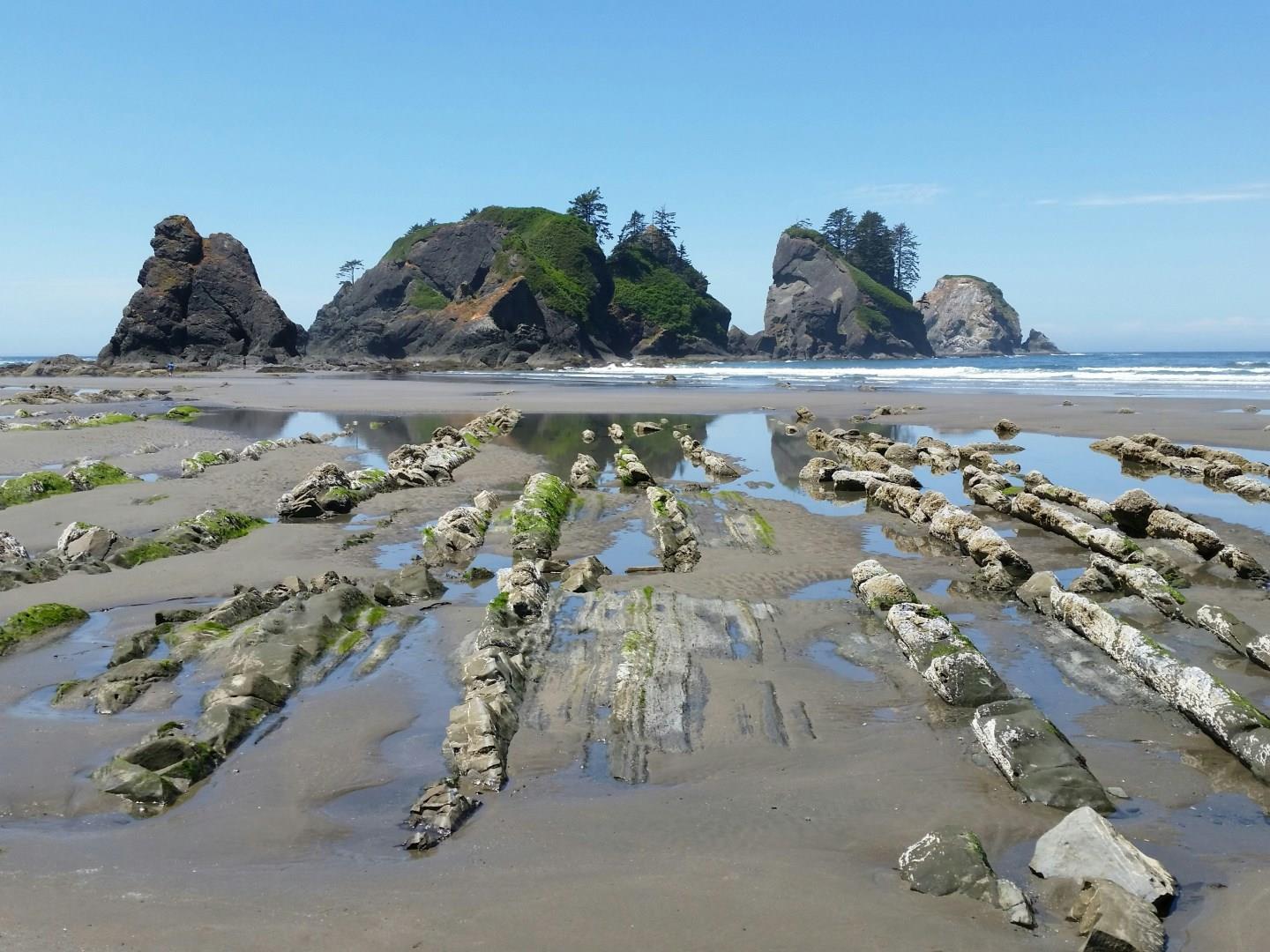
Olympic Peninsula
The Olympic Peninsula occupies the far northwest corner of Washington State, where mountains, rainforest, and coastline meet within a relatively compact area.
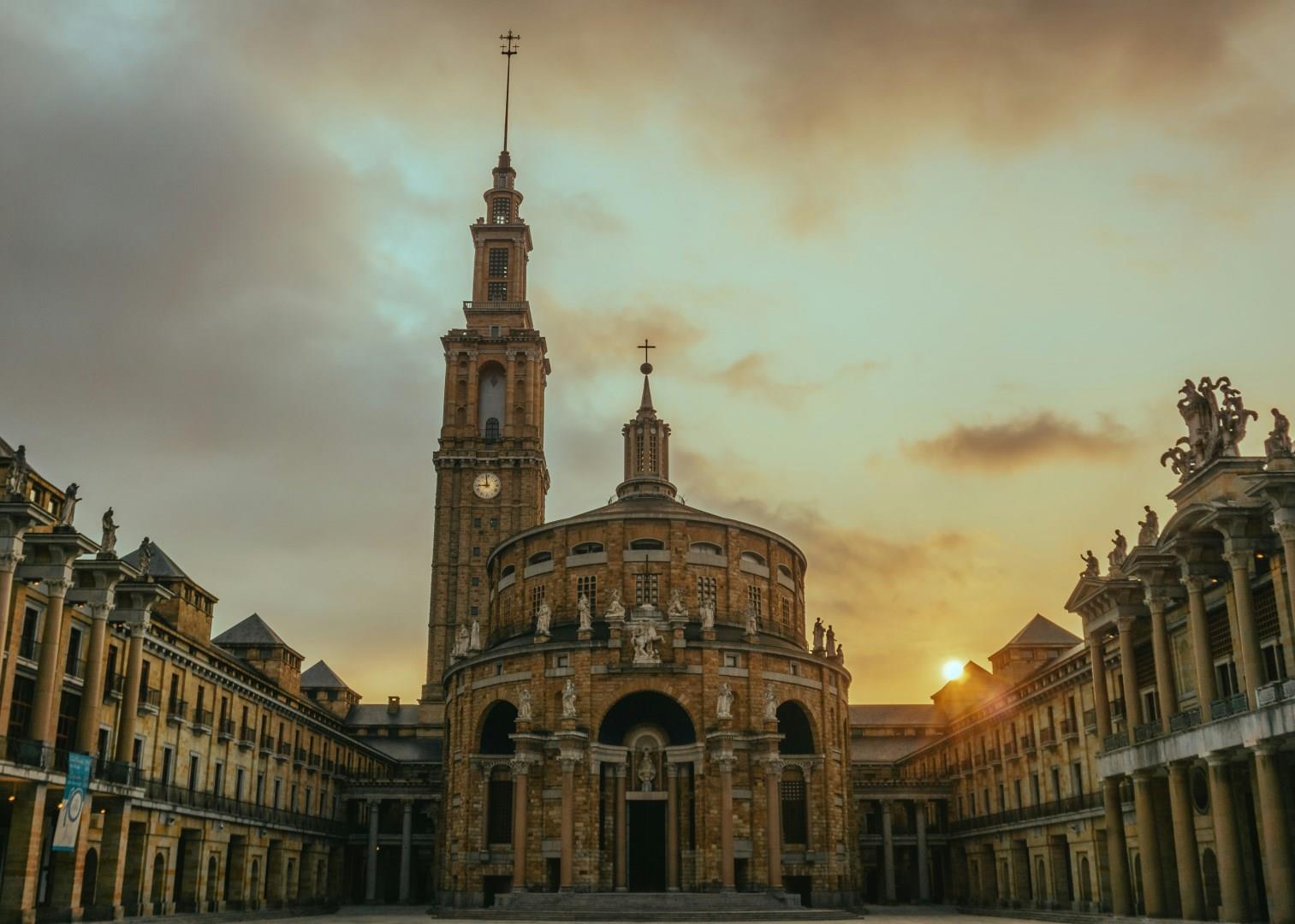
Gijon
Gijón sits on Spain’s northern coast in Asturias, shaped by its long relationship with the Cantabrian Sea. From its origins as a Roman settlement to its later growth as an industrial and port city, Gijón has balanced maritime work with civic life.
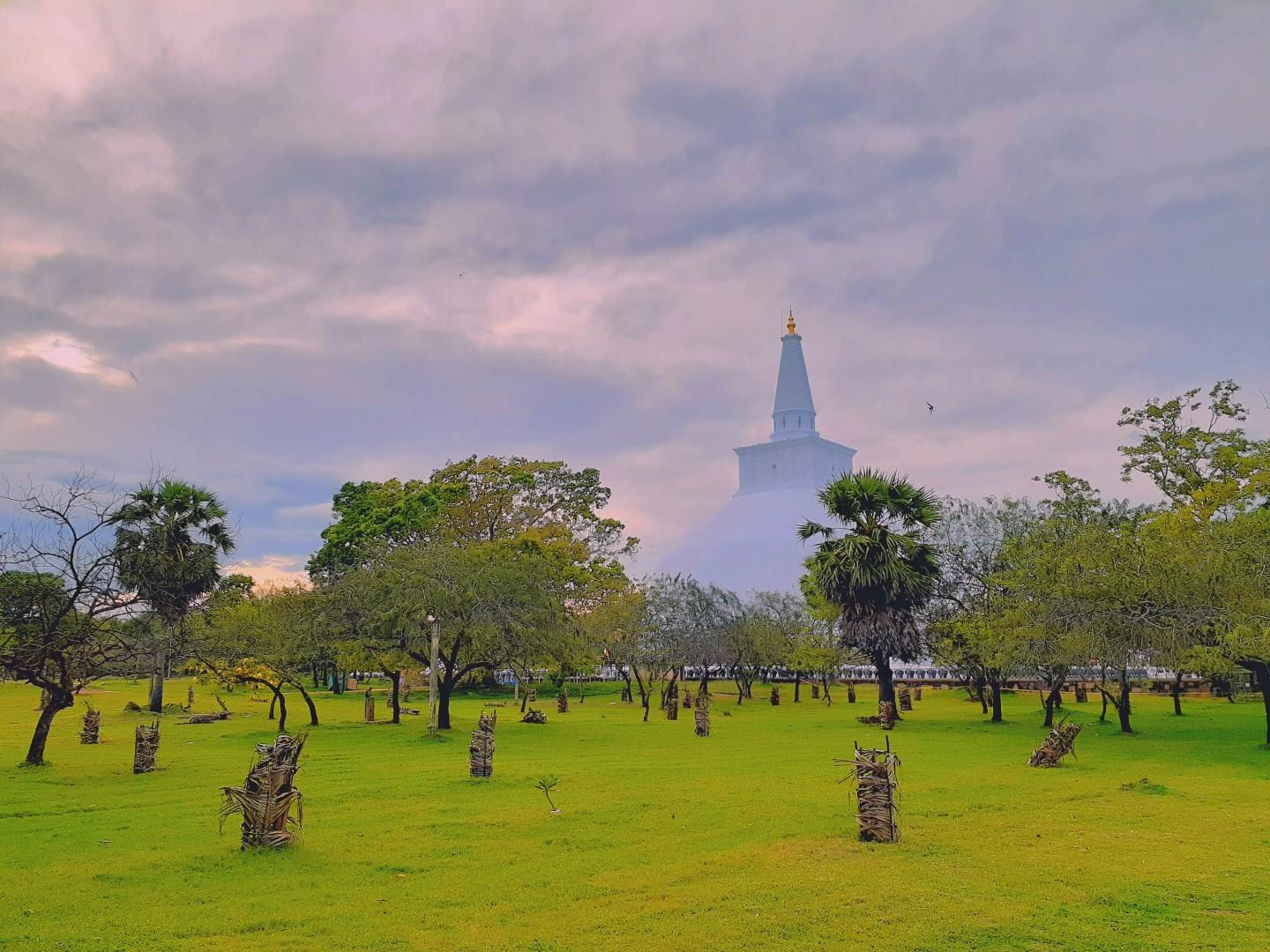
Anuradhapura
Anuradhapura, located in Sri Lanka’s North Central Province, is one of the oldest continuously inhabited cities in the world. It served as the island’s capital for more than a millennium, beginning in the 4th century BCE. Today, its vast archaeological complex spans several square kilometers and includes some of South Asia’s most significant Buddhist monuments.

Tunis
Tunis' white-washed, blue-shuttered buildings hide a treasure trove of Arabic and Ottoman art. Inspect illuminated manuscripts from the Koran, follow the twists and turns of the fascinating old Medina (inner city), marvel at the ornate Palace of Dar Ben Abduallah and the magnificent Djamaa-Ez-Zitouna Mosque, whose 184 columns were "recycled" from the rocky ruins of Carthage.

Šiaulia
Šiauliai, often referred to as the "City of the Sun" due to its high number of sunny days, is a vibrant gem in northern Lithuania. The city's most iconic landmark is the Hill of Crosses, a profound site of pilgrimage adorned with thousands of crosses placed by visitors over the decades. This unique and moving monument, which has been recognized by UNESCO for its cultural significance, symbolizes the resilience and spirit of the Lithuanian people.
