

Cesky Krumlov
Český Krumlov, a picturesque city in the Czech Republic, is a treasure trove of medieval charm and architectural splendor. Nestled in the South Bohemian Region, this UNESCO World Heritage Site is renowned for its stunning Český Krumlov Castle, which towers over the city and offers panoramic views of the winding Vltava River and the old town's red-tiled rooftops.
Socotra
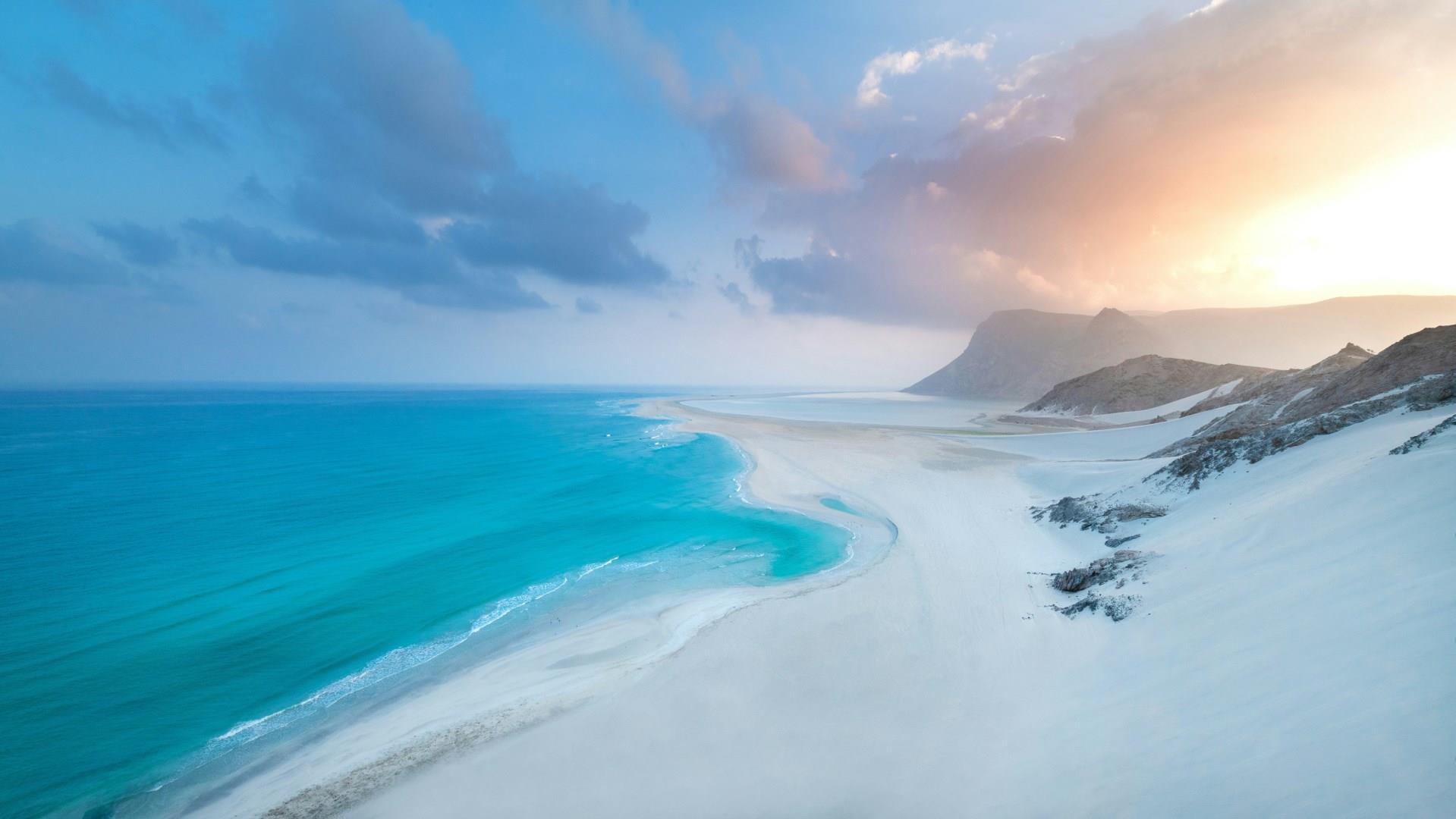
Socotra rises from the Arabian Sea like a world apart, its landscapes shaped over millennia. The Dragon’s Blood Trees, with their umbrella-shaped crowns and deep red sap, stand among the most iconic sights here. In places like Dixam Plateau and Homhil Forest, these trees gather in sparse formations, creating scenes that feel both ancient and alien. The resin remains valued for traditional dyes and remedies.
Gaspe
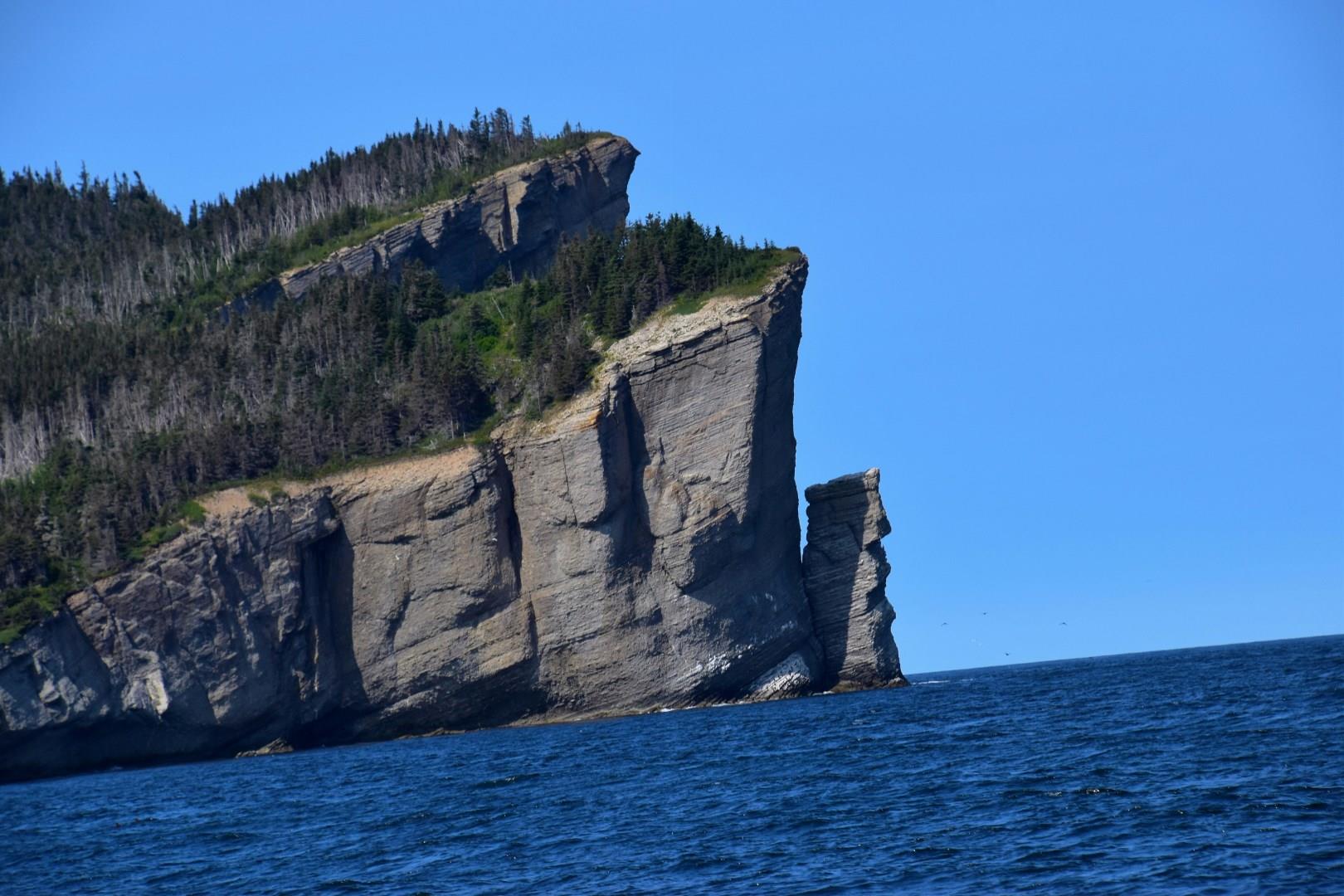
Gaspé sits at the eastern tip of the Gaspé Peninsula in Québec, where the St. Lawrence River opens into the Gulf and the land feels distinctly maritime.
Burgos
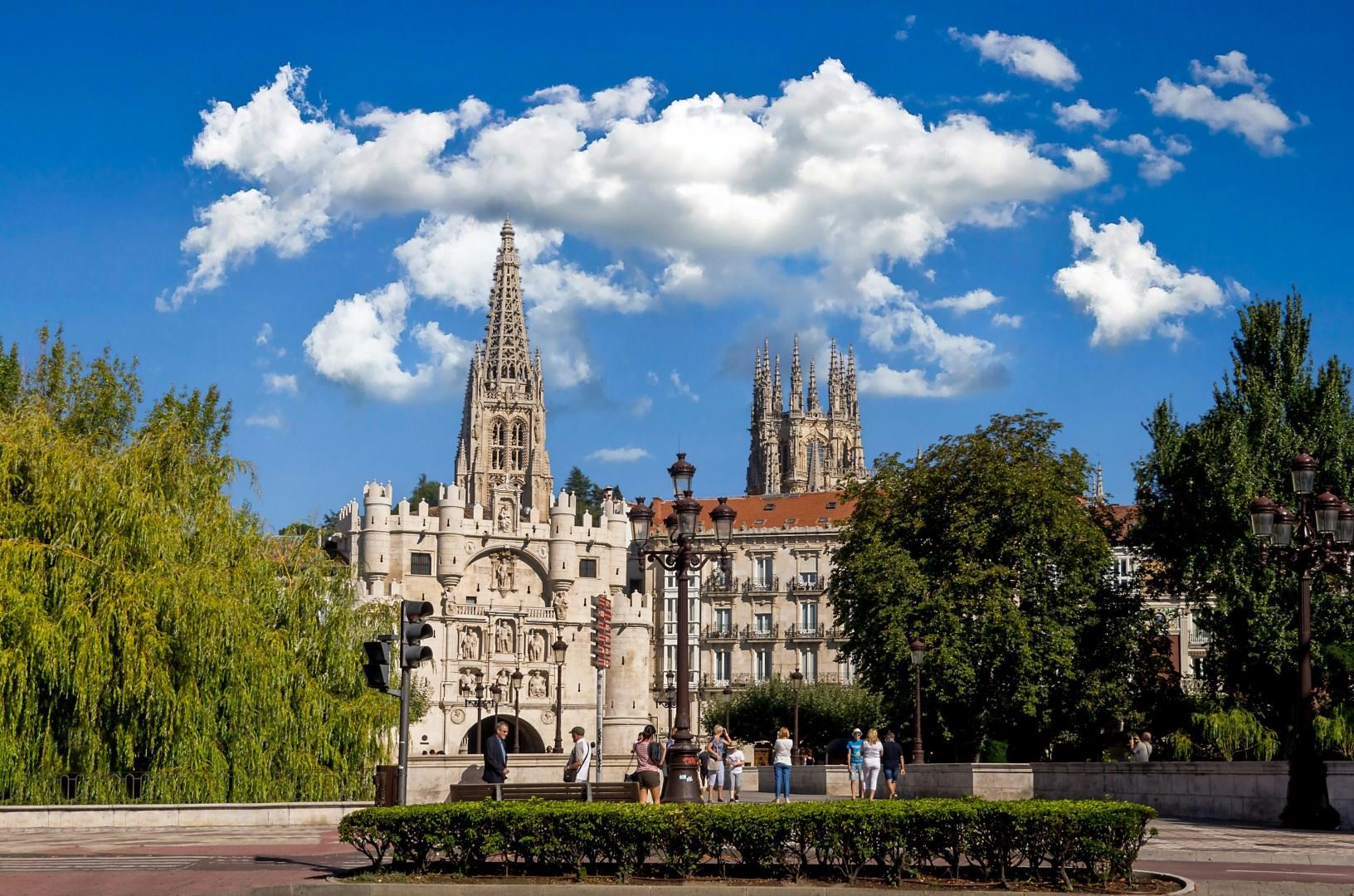
Burgos, located in northern Spain, is a city where medieval heritage is still part of daily life. At its heart stands the Burgos Cathedral, a UNESCO World Heritage Site and one of the most striking examples of Gothic architecture in Europe. Construction began in 1221 and continued for over 300 years, resulting in a cathedral that features elaborate spires, stained glass, and the tomb of El Cid, Spain’s legendary military leader.

Patmos
Patmos, a gem in the Aegean Sea, is steeped in history and spirituality, offering a serene escape for travelers seeking both tranquility and rich cultural experiences. Known as the "Island of the Apocalypse," Patmos is famously where Saint John the Theologian wrote the Book of Revelation. Visitors can explore the sacred Cave of the Apocalypse, a UNESCO World Heritage Site, where the saint is said to have received his visions.
