

Veere
Once a big, bustling sea port for the Scottish wool trade and known as Kampvere, Veere is now a small village whose economy mainly relies on tourism. A major point of interest for visitors is the Campveerse Toren (Campvere Tower), built as part of the city defenses around 1500 and now serving as one of the oldest inns in the Netherlands
Kings Canyon
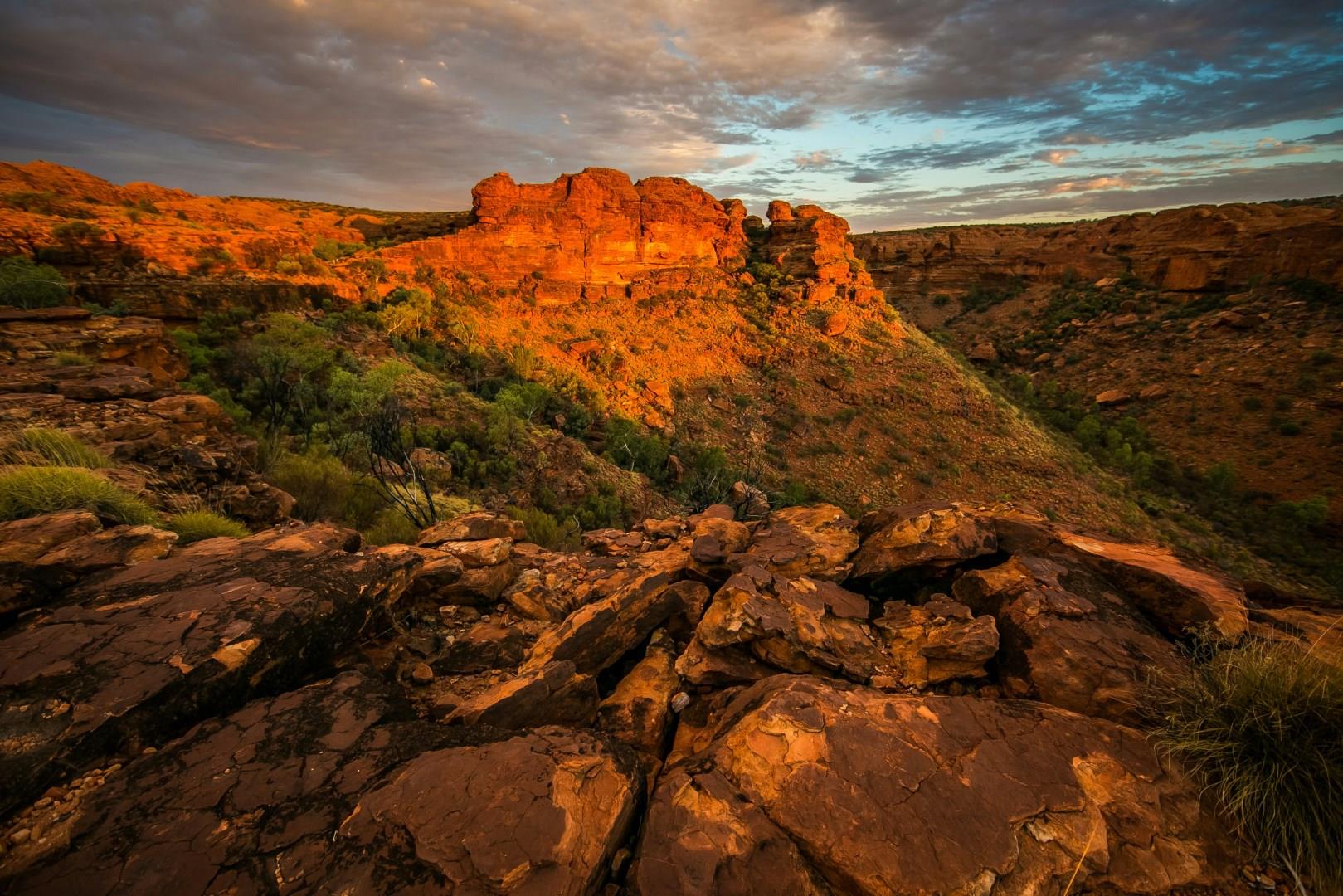
Kings Canyon, located in Australia’s Northern Territory within Watarrka National Park, is one of the Red Centre’s most striking natural landmarks. Carved over millions of years, the canyon holds deep cultural significance for the Anangu people, particularly the Luritja, for whom the area remains a sacred landscape tied to creation stories, ceremony, and traditional knowledge.

Broome
Broome, located in Western Australia, is a captivating destination that offers a unique blend of natural beauty, cultural heritage, and adventurous experiences. Nestled along the stunning Kimberley coast, Broome is renowned for its breathtaking Cable Beach, a 22-kilometer stretch of pristine white sand lapped by azure waters.
Culloden
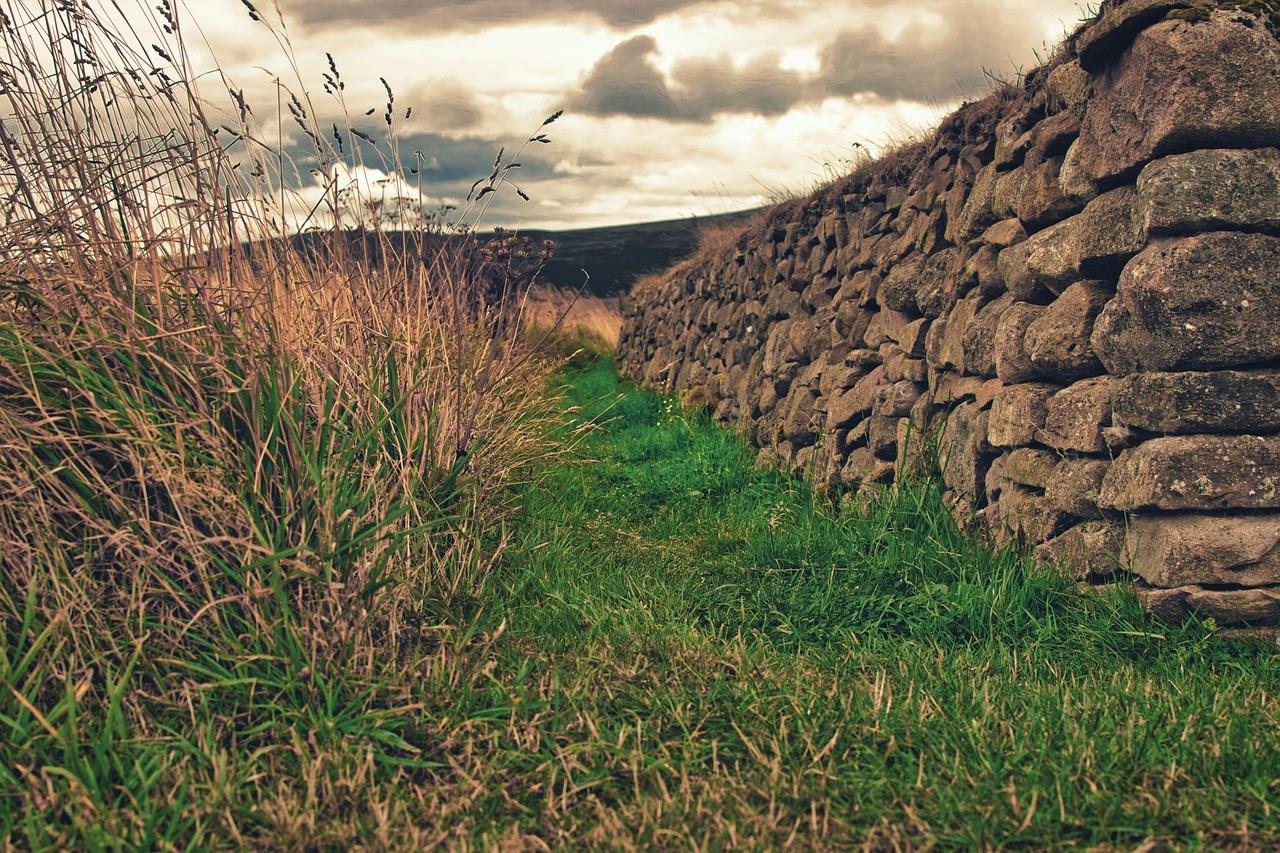
Culloden, located just outside Inverness in the Scottish Highlands, is the site of one of the most significant and sobering moments in Scotland’s history. On April 16, 1746, the Battle of Culloden marked the violent end of the Jacobite uprising led by Charles Edward Stuart, better known as Bonnie Prince Charlie. In under an hour, the hopes of restoring the Stuart monarchy were crushed by government forces.
Kasane
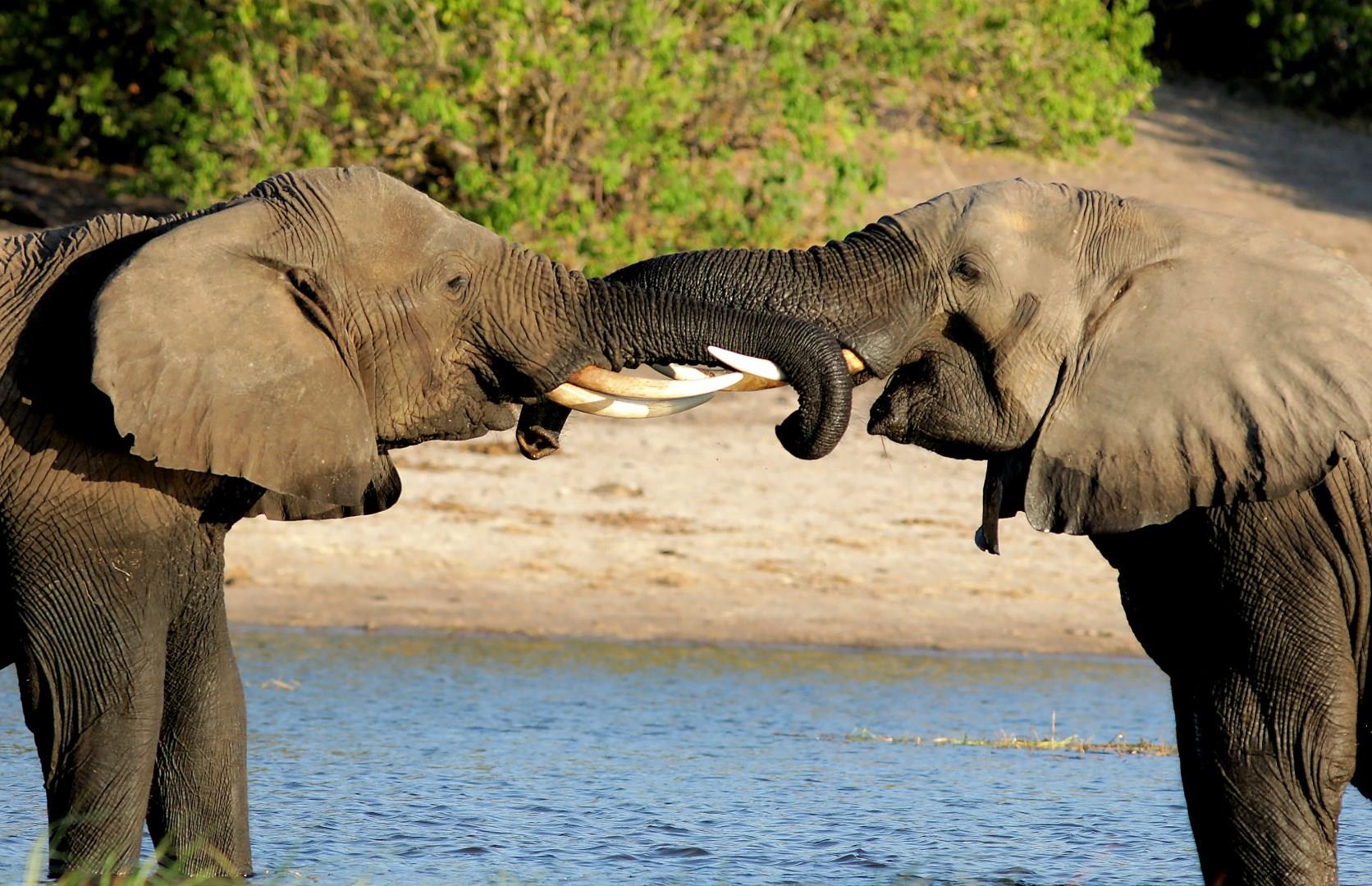
Kasane sits at Botswana’s northeastern edge, where the Chobe River meets the borders of Namibia, Zambia, and Zimbabwe. Its development is closely tied to river transport, regional trade, and wildlife management.
