
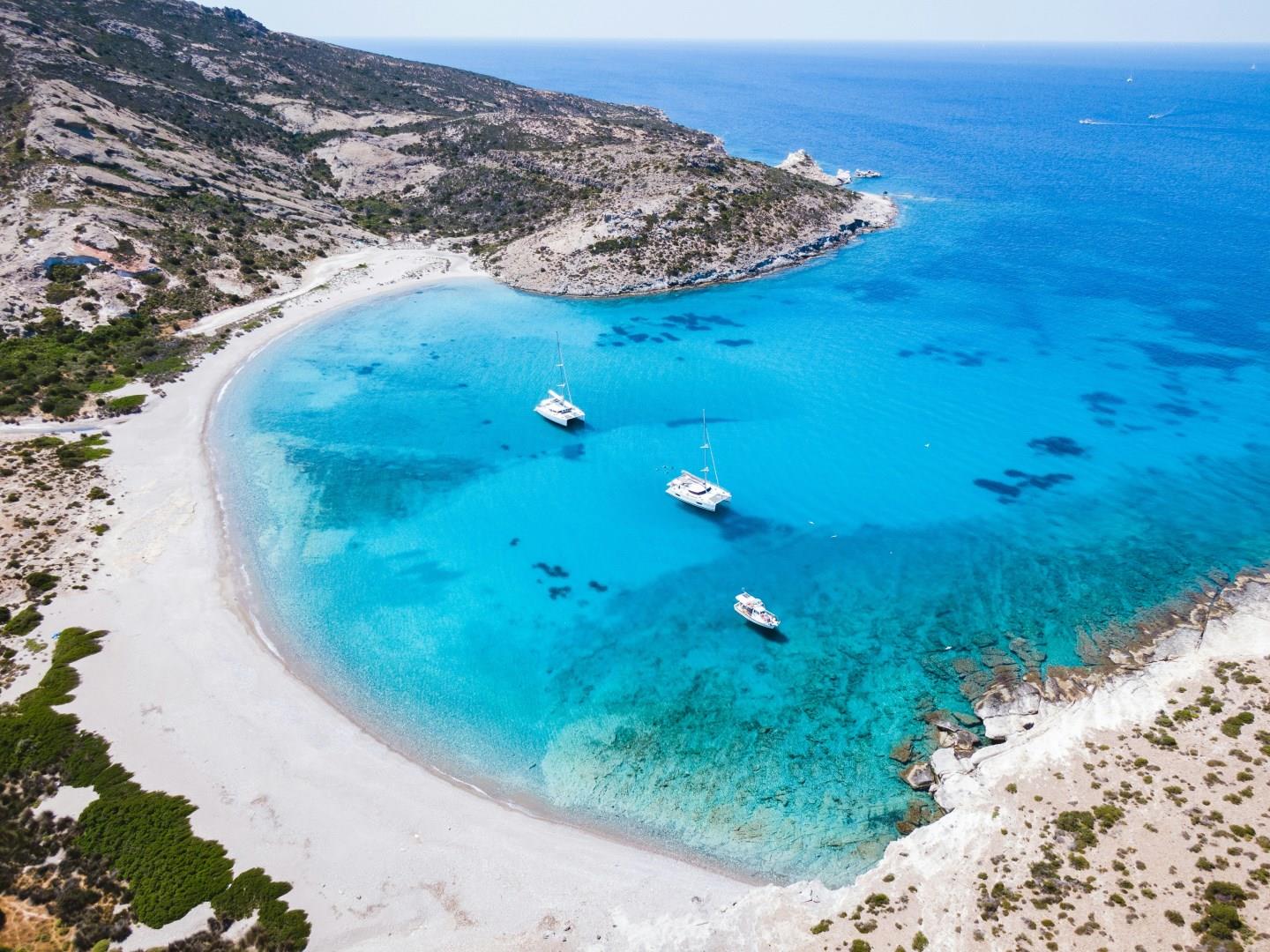
Milos
Milos is one of the most striking islands in the Aegean Sea, known for its otherworldly landscapes, turquoise coves, and centuries-old history. Shaped like a horseshoe, the island was formed by volcanic activity which left behind dramatic cliffs and hidden beaches carved from soft white rock. Visitors often find their first glimpse of Milos unforgettable, especially at Sarakiniko Beach where smooth, chalk-white formations contrast with the vivid blue water.

Nakuru
Nestled in Kenya's Rift Valley, Nakuru is a city that captivates with its stunning natural beauty and vibrant wildlife. The city is renowned for Lake Nakuru National Park, a UNESCO World Heritage Site known for its extraordinary flocks of flamingos that once numbered in the millions. Although flamingo populations fluctuate, the lake remains a sanctuary for other bird species and wildlife, including black and white rhinos, giraffes, and lions.
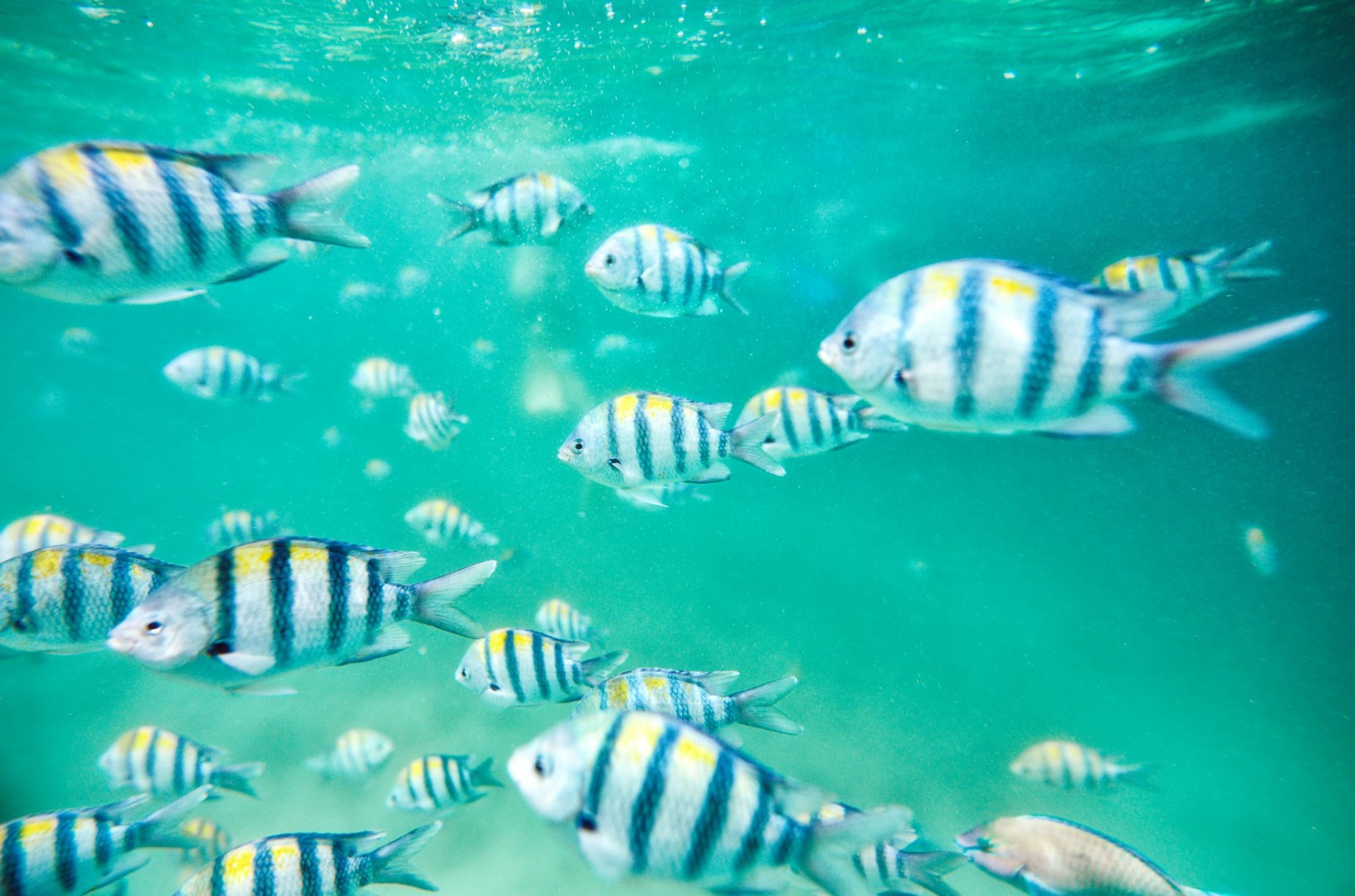
Gili Indah
Gili Indah is a village and administrative area in North Lombok Regency, West Nusa Tenggara, encompassing the three well-known Gili Islands: Gili Trawangan, Gili Meno, and Gili Air. The area lies off the northwest coast of Lombok and includes beaches, coral reefs, shallow lagoons, and small coastal communities.
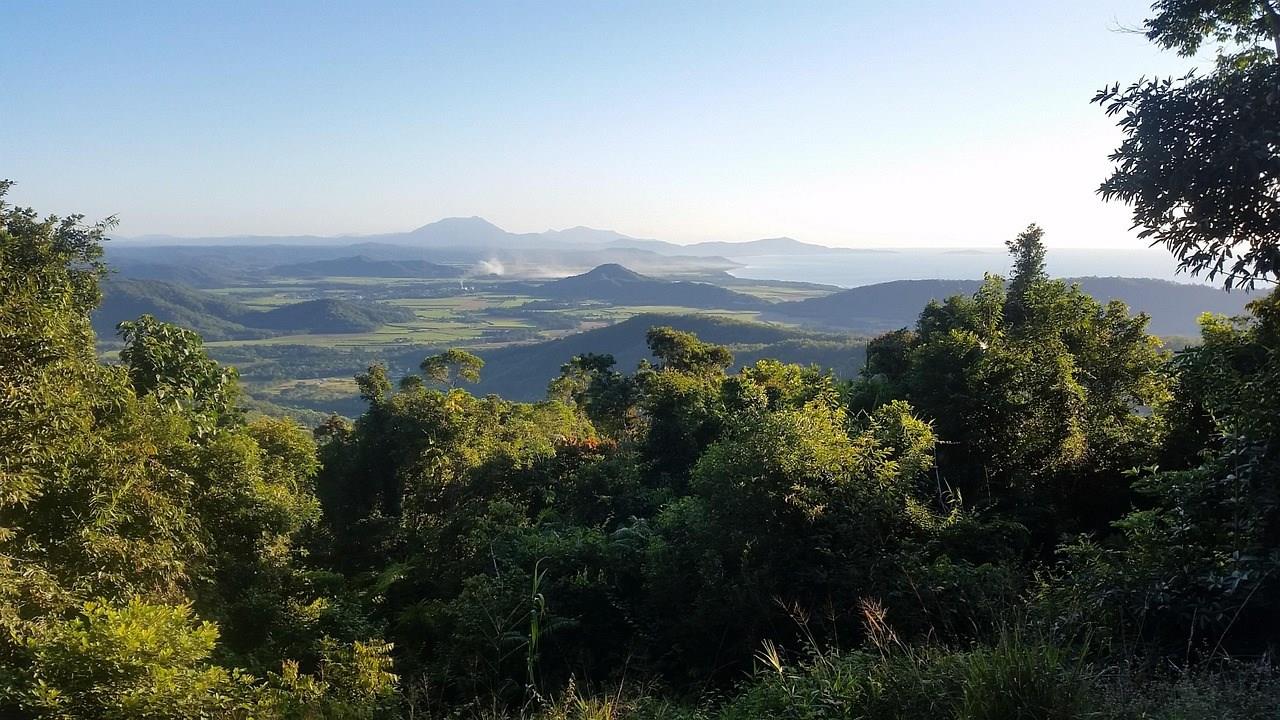
Port Douglas
Australia’s Port Douglas is a tropical escape tucked between two natural wonders: the Great Barrier Reef and the Daintree Rainforest.

Romania
There's a wealth of things to do and see in Romania with an intensive range of activities and places to visit. You can ski at traditional or purpose-built mountain resorts or laze in the hot sun on the Black Sea beaches comparable to those on the Mediterranean.
