
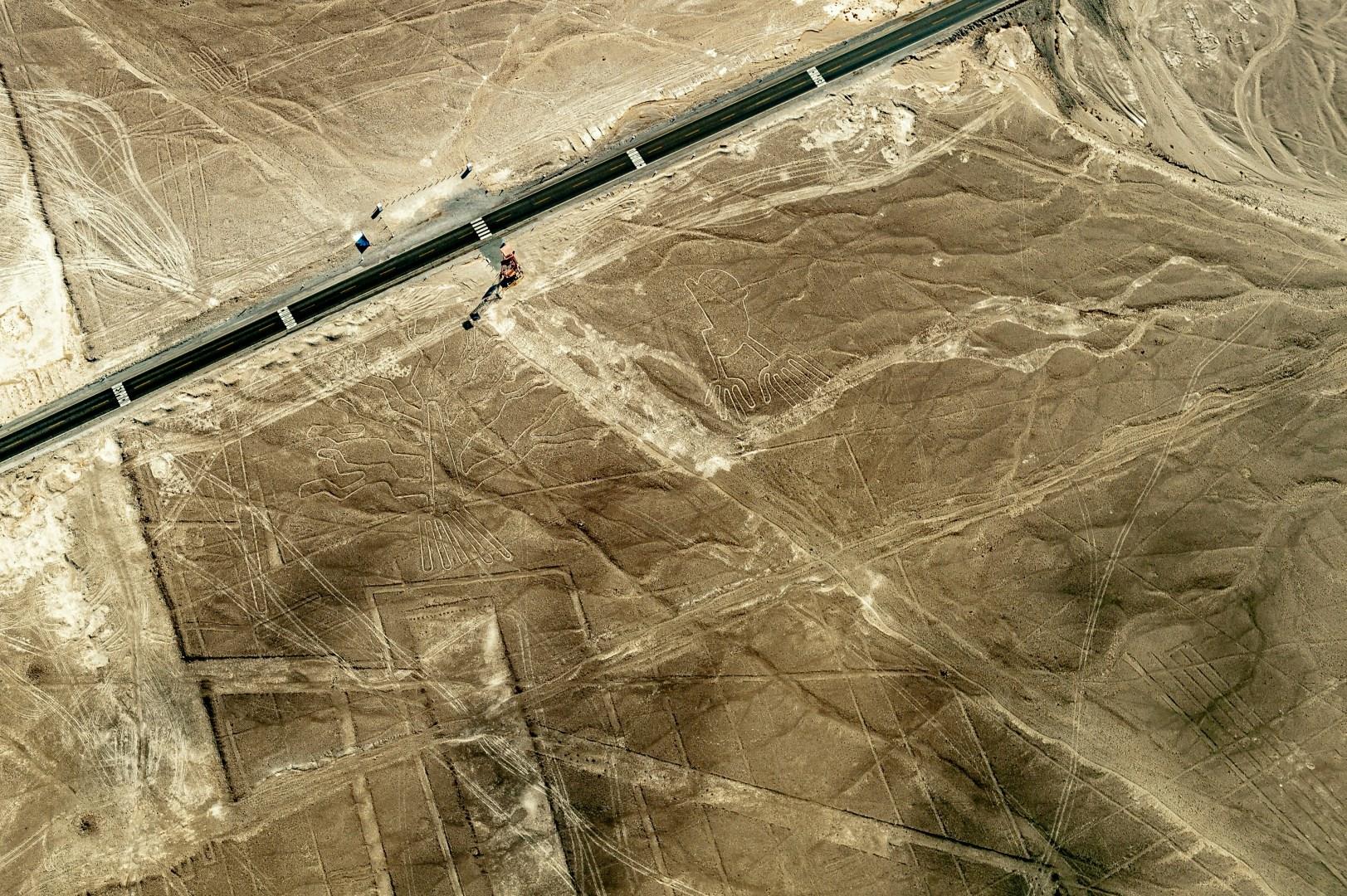
Nazca
In the southern deserts of Peru, Nazca invites visitors to look beyond the horizon. This small city is world-famous for the mysterious Nazca Lines, enormous geoglyphs etched into the desert floor more than 1,500 years ago. From the air, shapes like hummingbirds, monkeys, and even a stylized astronaut come into view, some stretching over 300 meters. Their exact purpose remains a mystery, fueling decades of theories.

Ecuador
In the heart of South America, Ecuador offers a compact yet astonishingly diverse experience for travelers. From the cobbled streets of Quito’s historic center to the vibrant Afro-Ecuadorian rhythms of Esmeraldas, the country pulses with stories waiting to be discovered. Just a short drive away, visitors can stand on the equator line at the “Mitad del Mundo” and participate in engaging experiments that demonstrate the planet’s gravitational quirks.

Amsterdam
Amsterdam, the 17th century capital of Holland, is often called the "Venice of the North" due to its numerous, boat-navigable canals. Truly rich in history, the oldest part of this populous, multicultural city is Sloten, which dates all the way back to the 9th century.
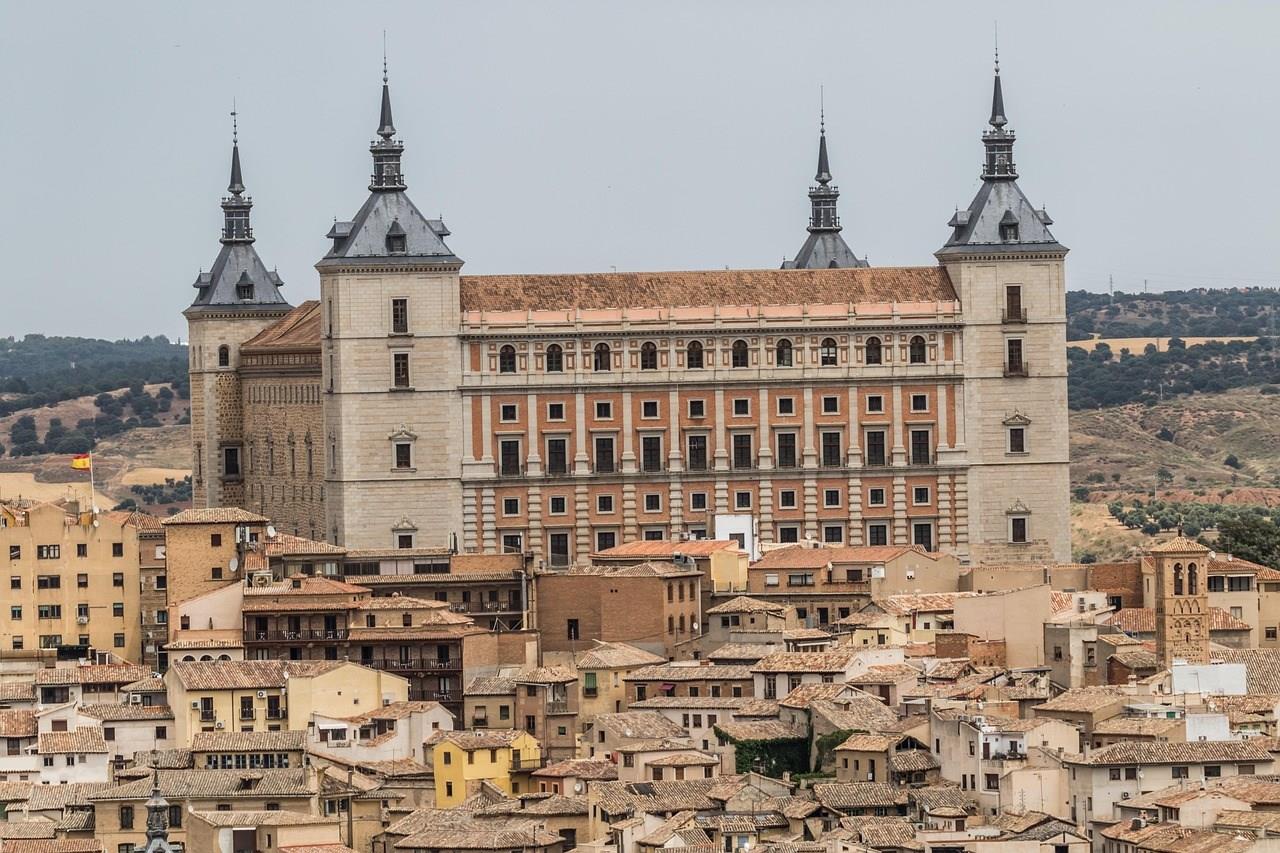
Toledo
Toledo, high above the Tagus River in central Spain, is a city where layers of history are visible around every corner. For centuries it was an important Roman settlement, a Visigothic capital, and later a stronghold during the medieval Christian reconquest, before becoming the seat of royal power and a crossroads of cultures. Because of this long span of stories and architectural richness, the whole old town has been recognized as a UNESCO World Heritage Site.

Îles des Saintes
Les Saintes (also known as Iles des Saintes) are perfect for the kind of traveler who relishes unspoiled tropical beauty and the serenity that comes from doing next to nothing on a vacation, but doing it à la française.
