
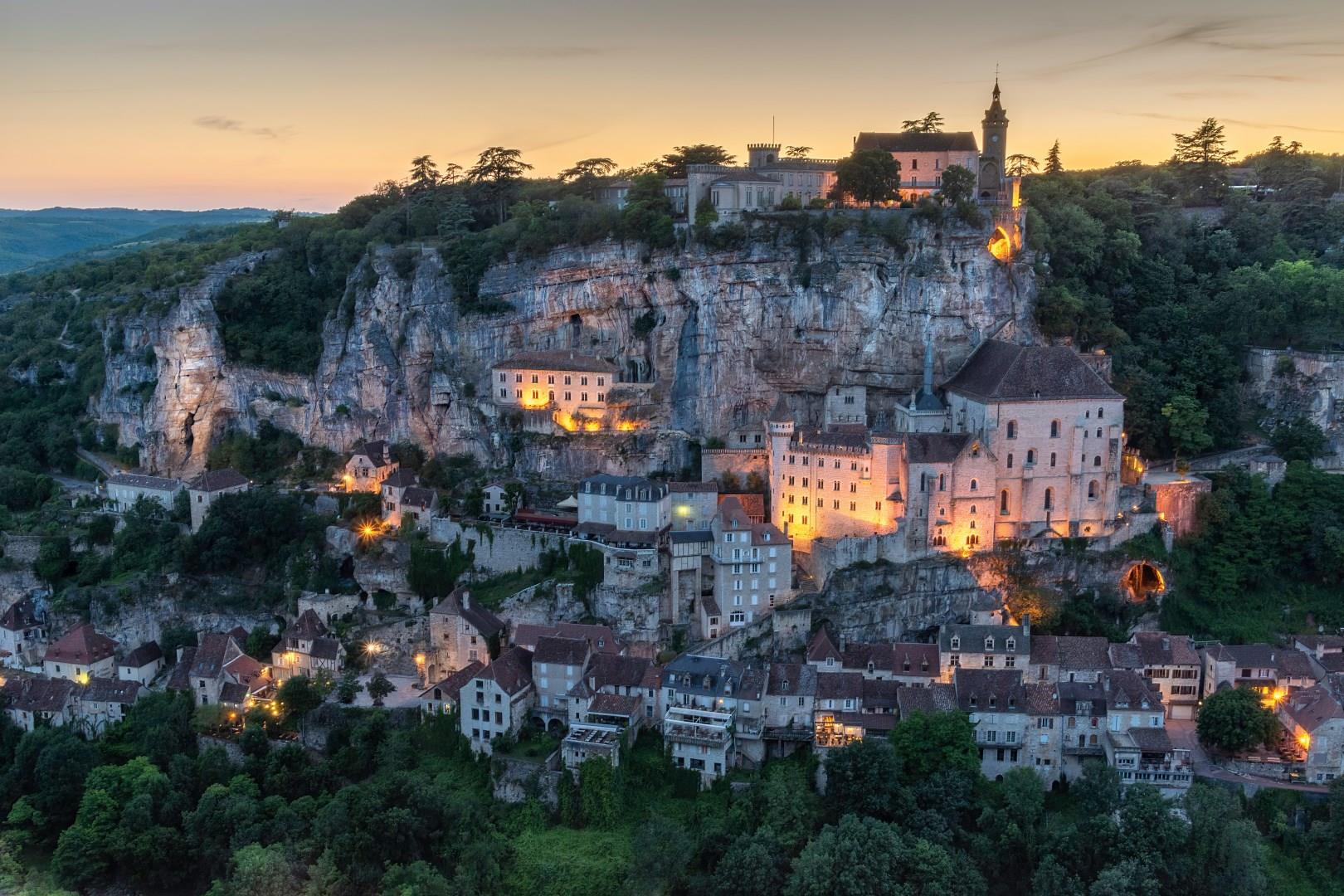
Rocamadour
Rocamadour is a remarkable village set against a steep limestone cliff in the Lot department of southwestern France. Its stone buildings, narrow lanes and ancient sanctuaries rise in stages above the Alzou River valley, giving the settlement a striking silhouette that has drawn visitors for centuries. Pilgrims have come here since the Middle Ages to see the Black Madonna in the Chapelle Notre-Dame and to walk the Chemin de Croix.
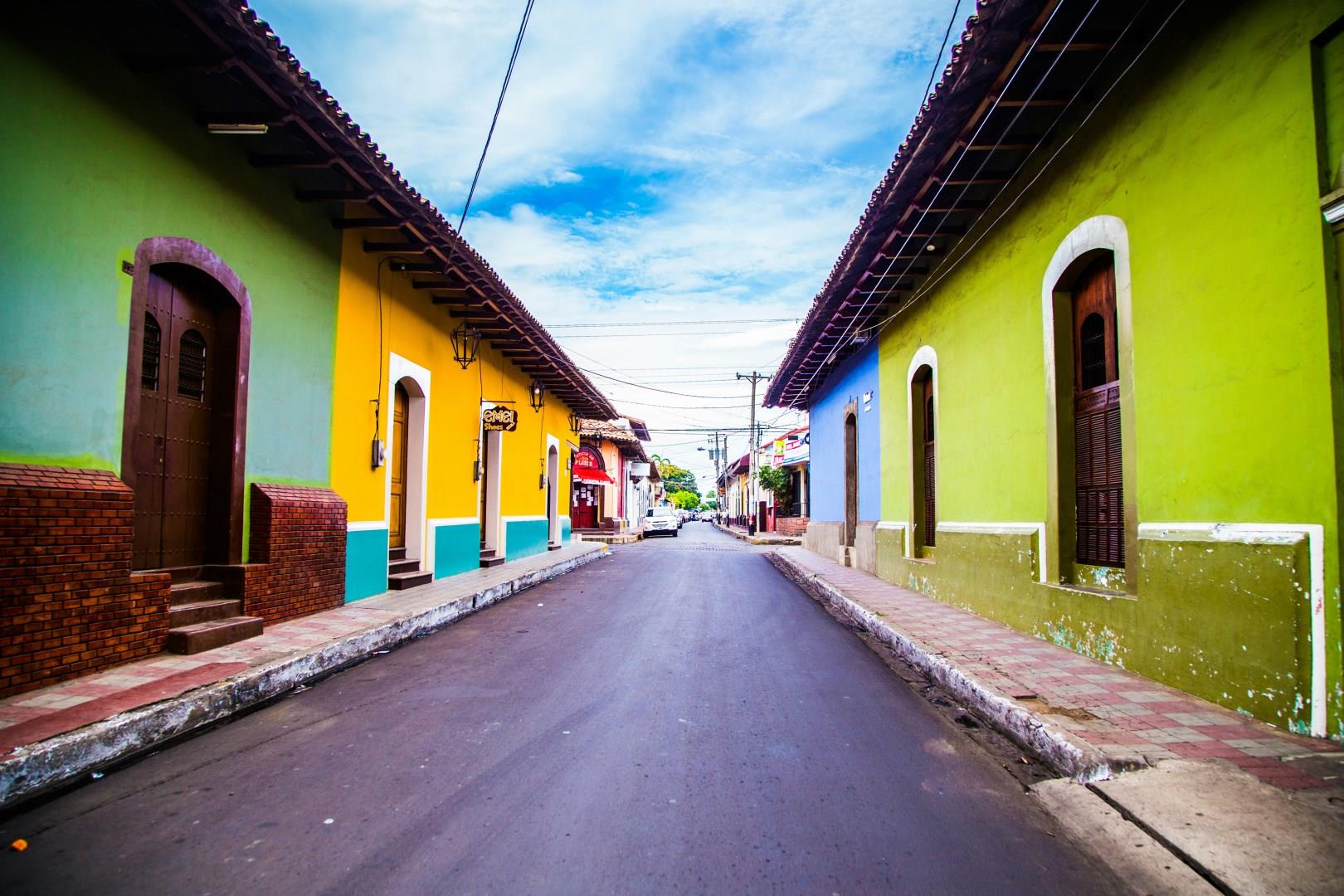
Leon
León, Nicaragua serves as the country’s capital for more than two centuries and still feels like the intellectual and political heart of Nicaragua. The city is known for its revolutionary past, visible in murals that stretch across building walls, telling stories of resistance, poets, and everyday citizens. The Cathedral of León, the largest in Central America and a UNESCO World Heritage Site, dominates the central square.
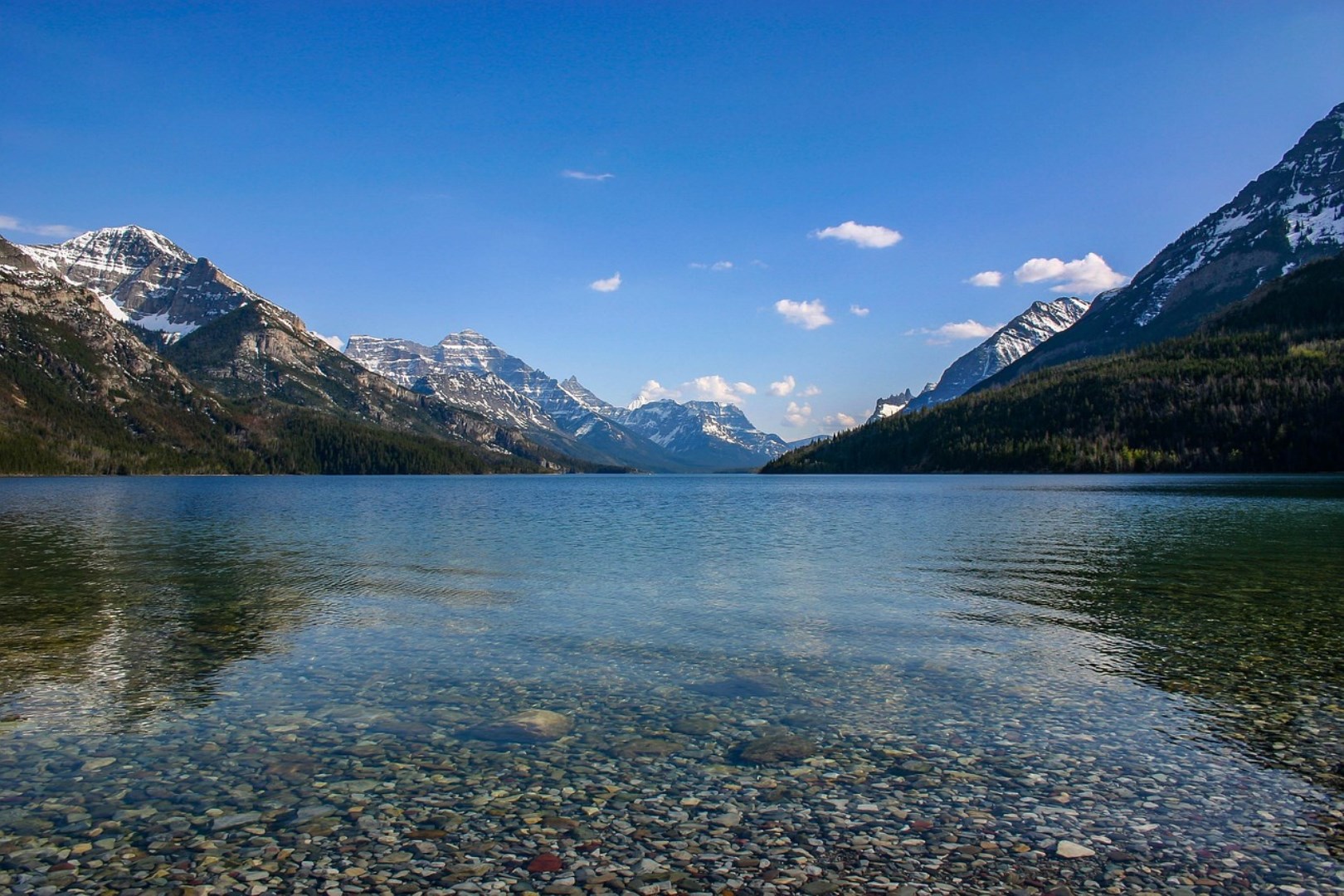
Waterton Lakes National Park
Together with neighboring Glacier National Park in the United States, Waterton Lakes National Park is part of the world's first international Peace Park, which was recognized as a UNESCO World Heritage Site in 1955. The Waterton-Glacier Peace Park protects an important biological crossroads where the Rocky Mountains reach their narrowest width. Waterton's bedrock is much older than that of the mountains to the north found in Jasper and Banff.
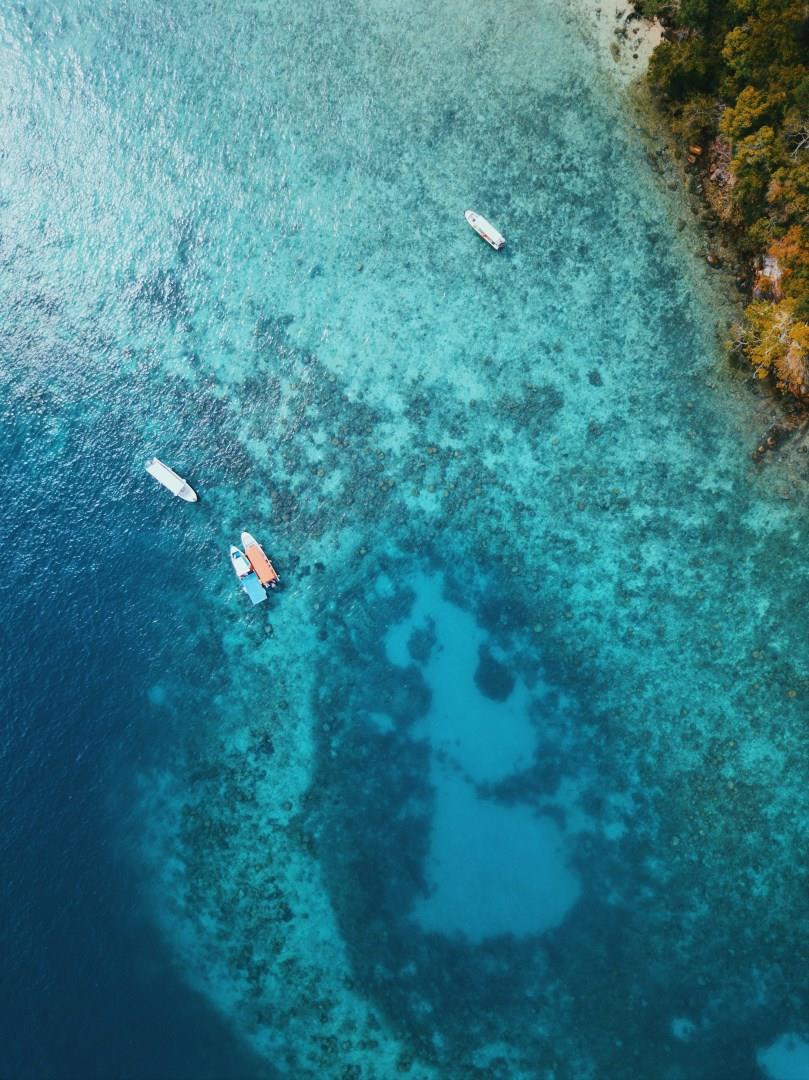
Kota Kinabalu (Borneo)
Kota Kinabalu, the capital of Sabah on the island of Borneo, is a vibrant city where modern life meets wild landscapes. Overlooking the South China Sea and backed by lush rainforests and mountains, it serves as both a cultural hub and a gateway to Borneo’s extraordinary biodiversity.

Ionian Sea
The Ionian Sea, a stretch of the Mediterranean nestled between Italy and Greece, offers a captivating blend of azure waters, picturesque islands, and rich history. The sea is framed by Italy's western coast and Greece's western islands, including Corfu, Kefalonia, and Zakynthos. These islands provide a gateway to some of the most stunning landscapes in the region, from the rugged cliffs of Zakynthos to the lush greenery of Kefalonia.
