
Akita
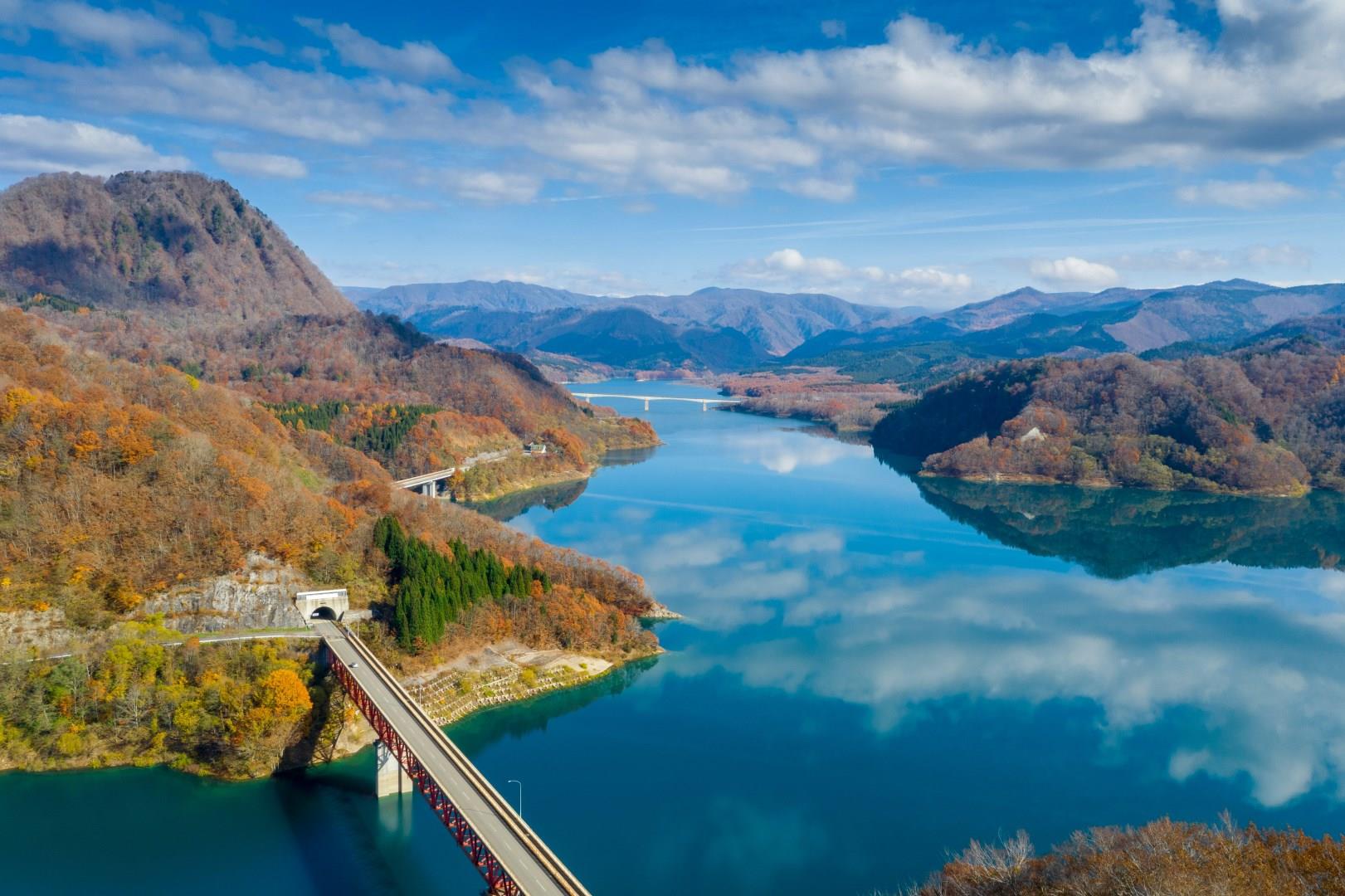
Akita sits in the northern part of Japan’s Tōhoku region and offers travelers experiences rooted in long-held traditions, lively festivals, and scenic valleys. Its capital city blends seasonal appeal with cultural offerings, from Senshu Park, once the site of Kubota Castle, where cherry blossoms and lotuses draw locals and visitors alike, to the Akita Museum of Art, a striking building designed by famed architect Tadao Ando that displays works including pieces by Tsuguharu Foujita.
Socotra
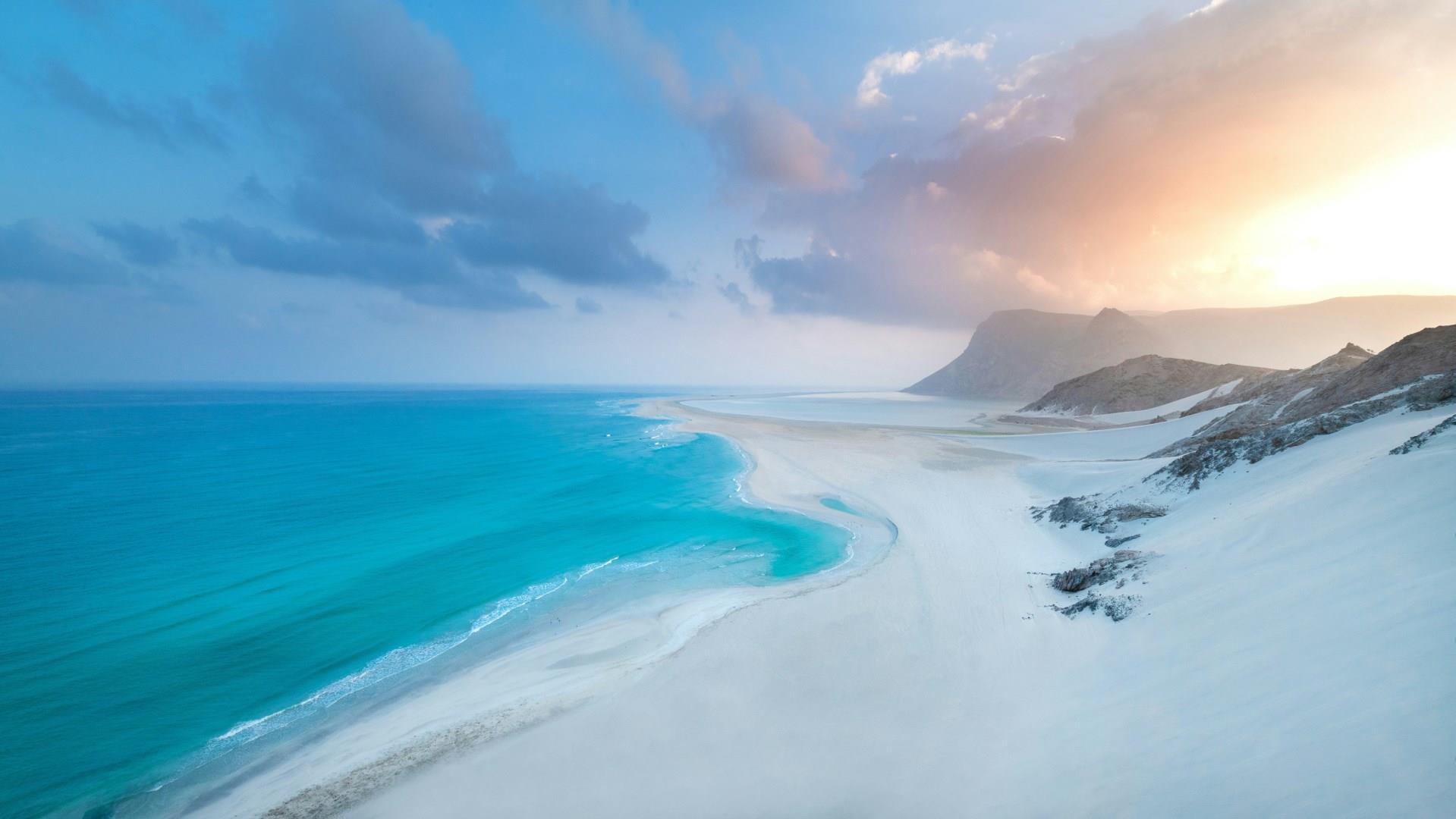
Socotra rises from the Arabian Sea like a world apart, its landscapes shaped over millennia. The Dragon’s Blood Trees, with their umbrella-shaped crowns and deep red sap, stand among the most iconic sights here. In places like Dixam Plateau and Homhil Forest, these trees gather in sparse formations, creating scenes that feel both ancient and alien. The resin remains valued for traditional dyes and remedies.
Kaohsiung
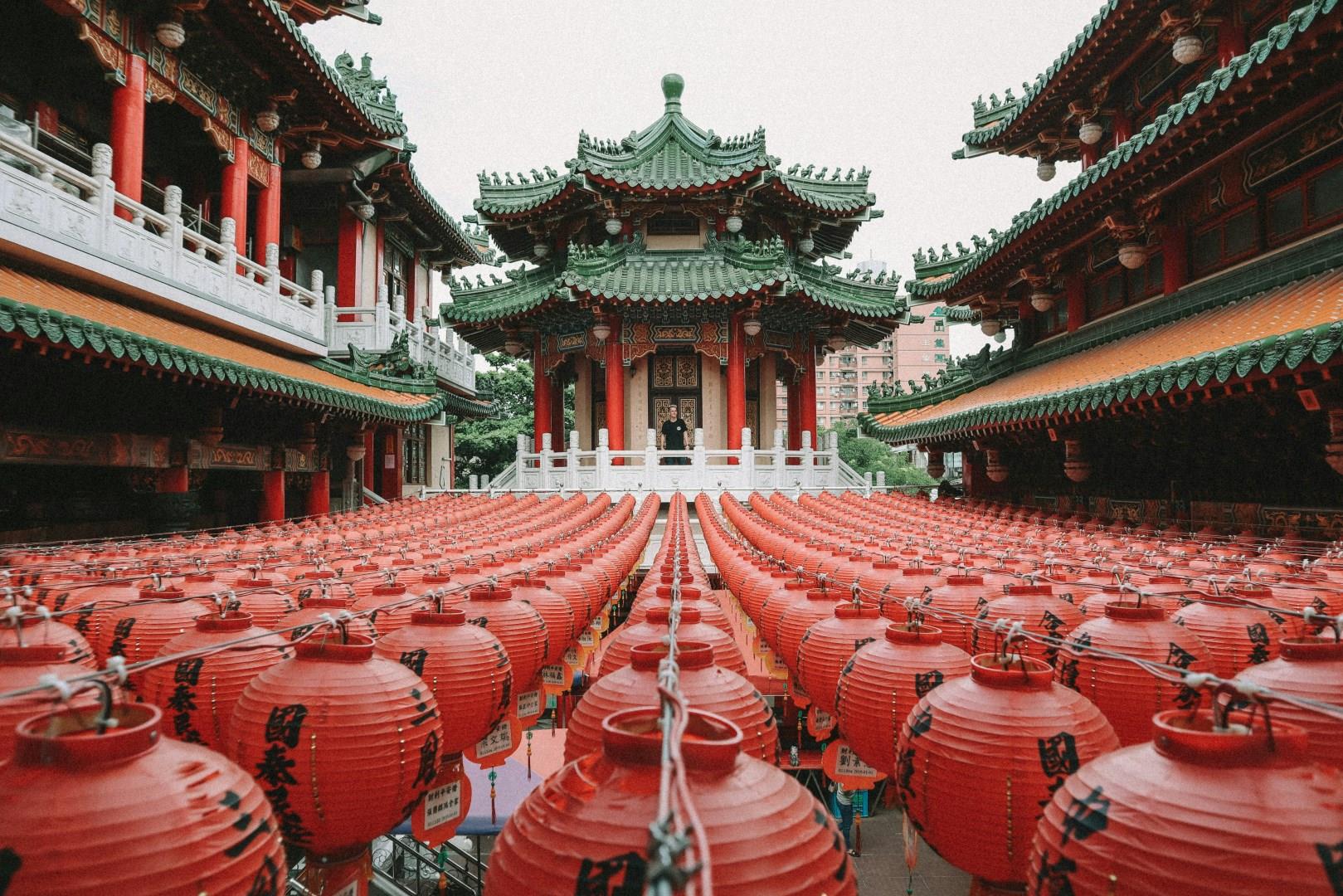
Kaohsiung sits on Taiwan’s southern coast and rises from one of the island’s busiest harbors into a city that rewards slow exploration and lively discovery. History and local belief surface at the Dragon and Tiger Pagodas beside Lotus Pond in Zuoying District. These twin pagodas that are connected to the shore by a zigzag bridge, invite visitors to walk through the dragon’s mouth and out the tiger’s, a practice locals associate with turning bad luck into good fortune.

Sousse
Sousse, a sun-soaked jewel along Tunisia's central coast, offers a blend of ancient history, vibrant culture, and Mediterranean charm. Known as the "Pearl of the Sahel," this city has drawn travelers for centuries with its warm sands, azure waters, and rich heritage.
Bhaktapur
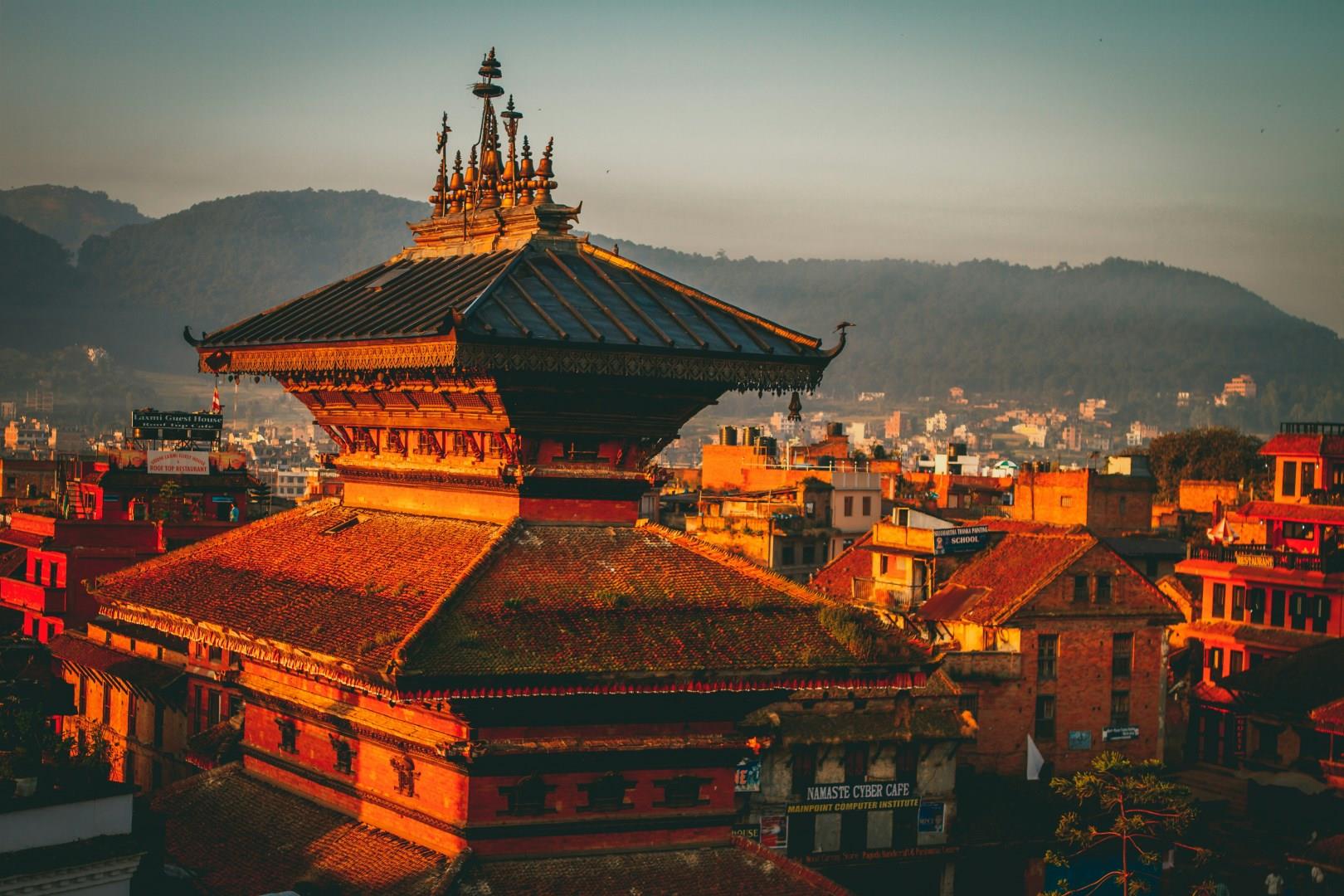
Bhaktapur, located just east of Kathmandu in Nepal, is a city where time seems to slow. Famous for its well-preserved medieval architecture, it is often called a “living museum” due to its abundance of temples, palaces, and courtyards.
