
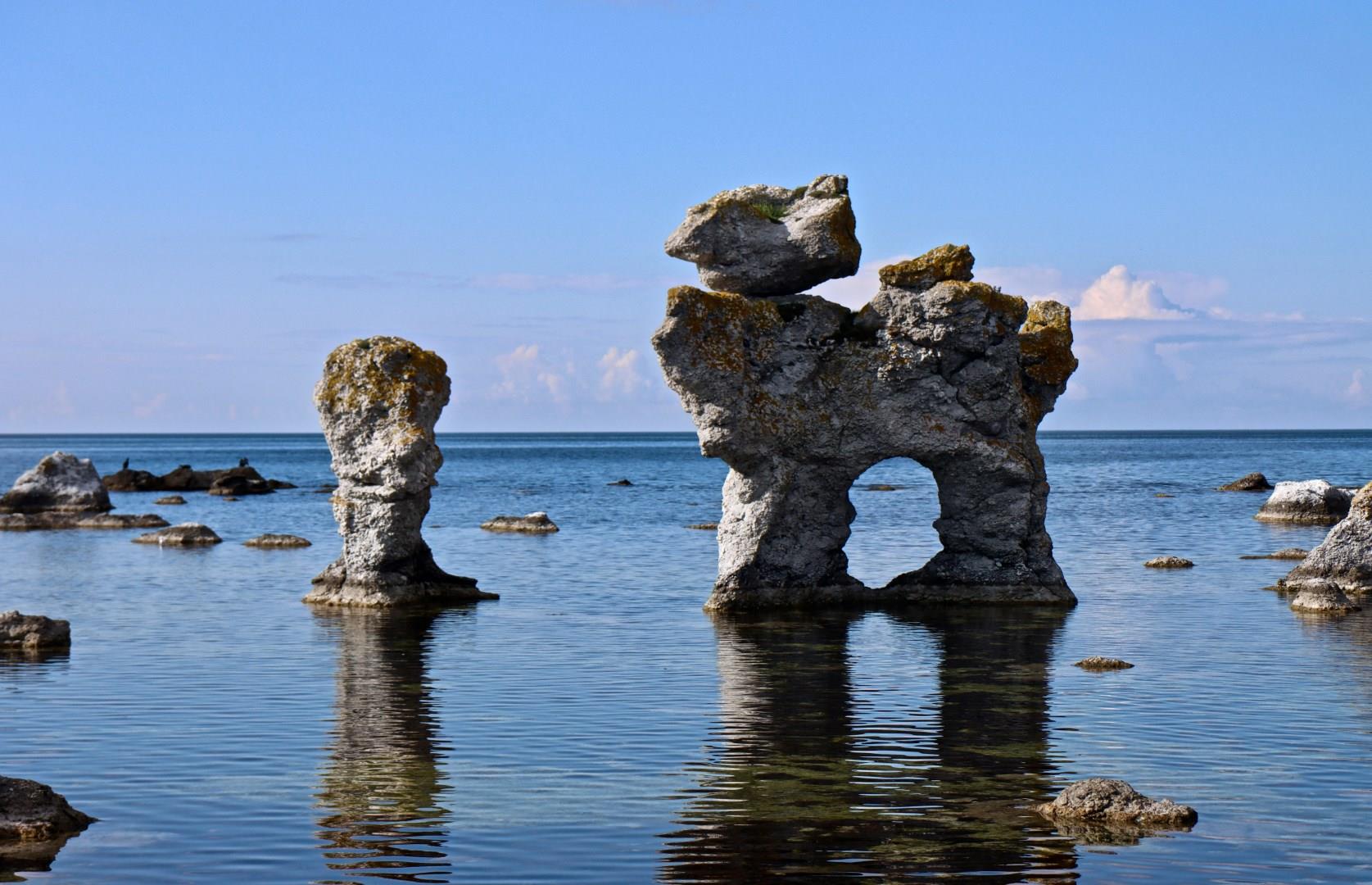
Gotland
Gotland, Sweden’s largest island, sits in the Baltic Sea and feels like a world of its own. Its main town, Visby, is a UNESCO World Heritage site and one of the best-preserved medieval towns in Northern Europe. Surrounded by a 3.5-kilometer stone wall with original towers still intact, Visby once served as a key Hanseatic trading hub. Visitors can walk along cobbled streets lined with rose-covered cottages, explore Gothic church ruins, and climb up the city wall for views over the harbor.
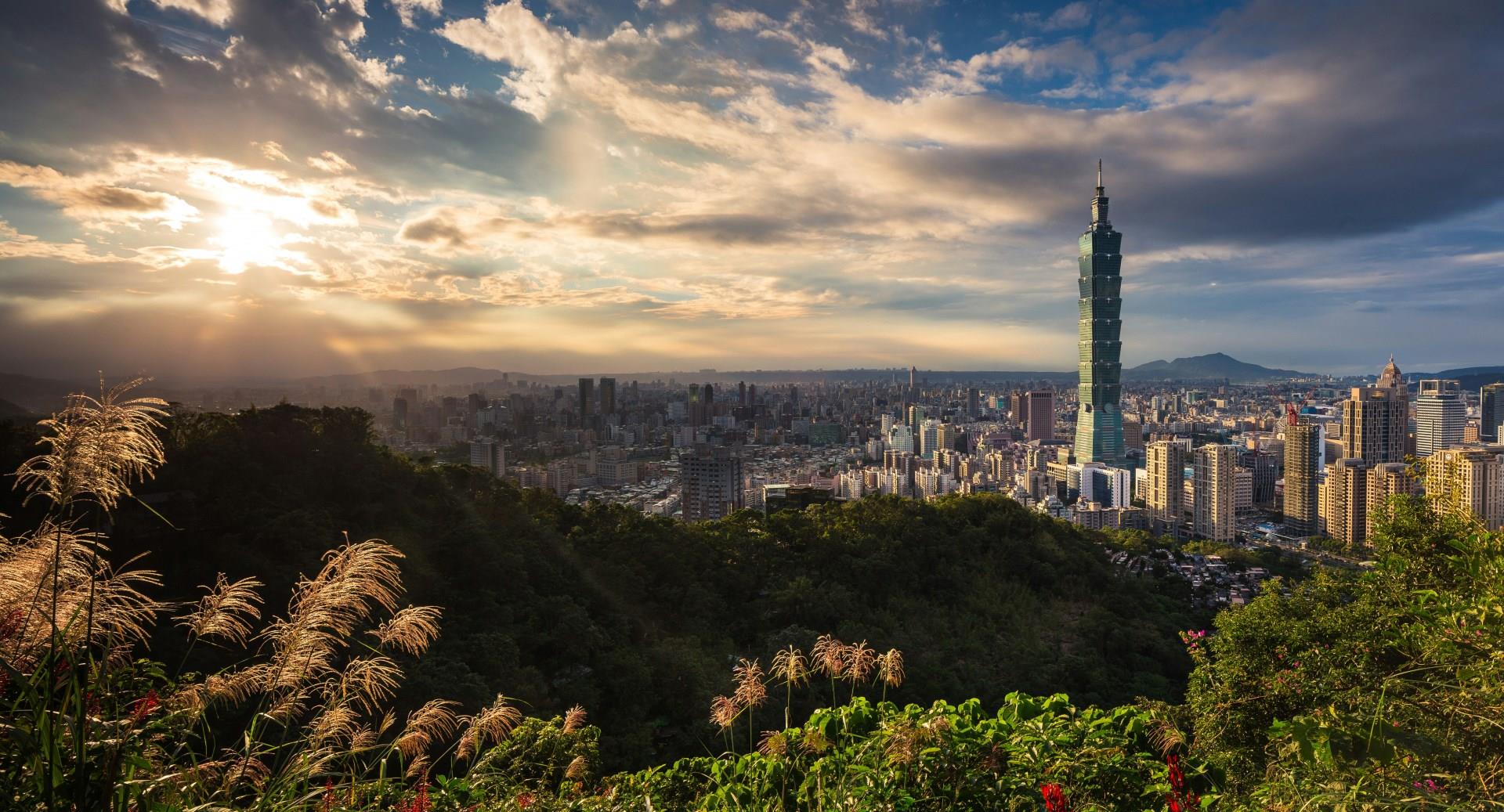
Taipei
Taipei, the vibrant capital of Taiwan, is a city where tradition and modernity coexist. Visitors can explore historic temples such as Longshan Temple, discover cultural treasures at the National Palace Museum, and admire the cityscape from Taipei 101, one of the world’s tallest skyscrapers.
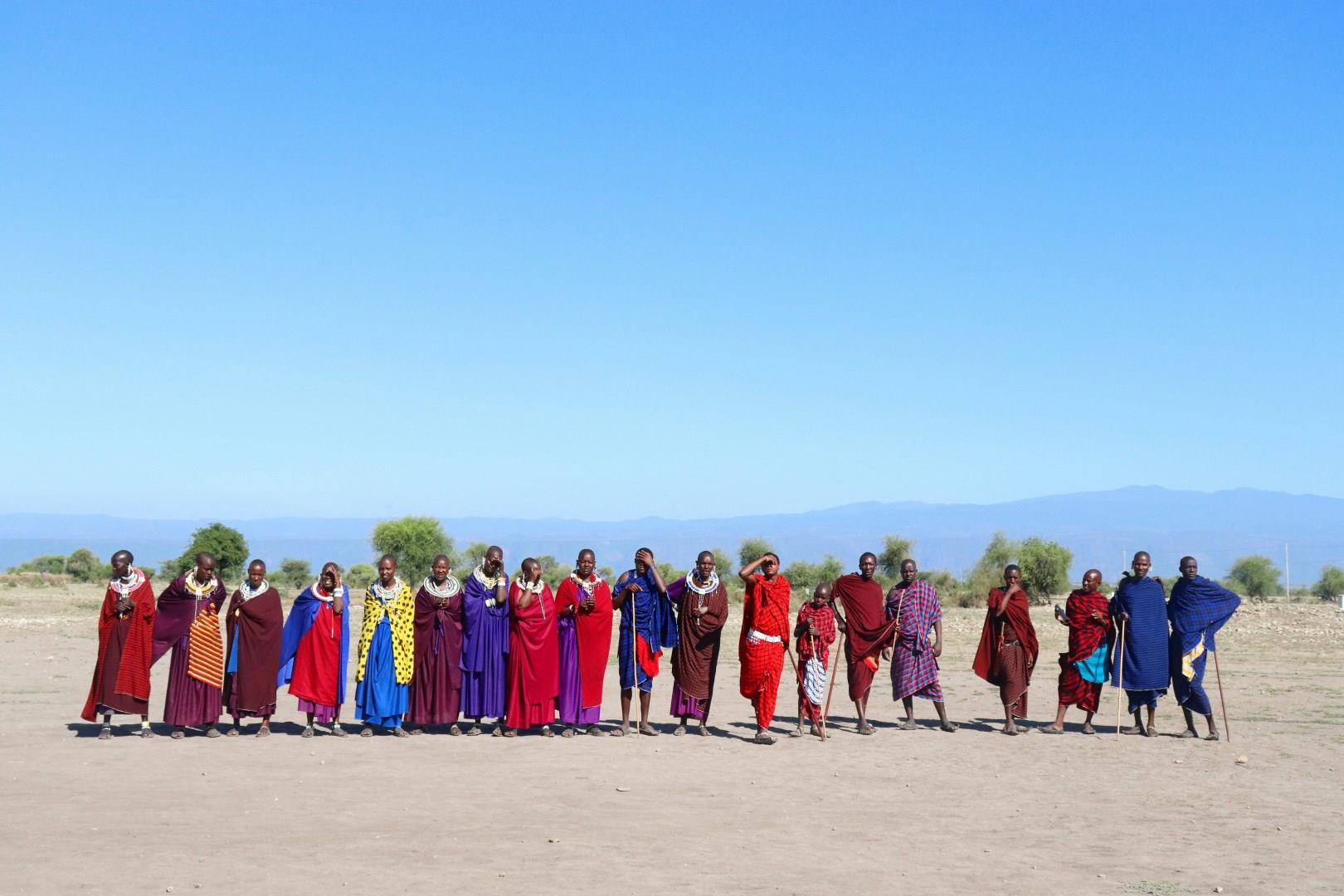
Karatu
Karatu, located in northern Tanzania between Lake Manyara and the Ngorongoro Crater, is more than just a stopover for safari-goers. This highland town, surrounded by rolling farmland and volcanic hills, offers travelers a closer look at daily life in the region. The area is home to the Iraqw people, known for their terraced farming, traditional homesteads, and unique language unrelated to most other East African tongues.

Chiang Rai
Chiang Rai, in northern Thailand near the borders with Laos and Myanmar, is a city where history, art, and tranquil landscapes converge. Founded in the 13th century as the first capital of the Lanna Kingdom, it retains a strong sense of heritage while also serving as a hub for contemporary Thai creativity.

Piraeus
Seven miles outside of historic Athens, the Greek coastal city of Piraeus lies upon the sparkling waters of the Aegean Sea and is the largest passenger port in Europe, servicing nearly 20 million passengers per year.
