
Finland
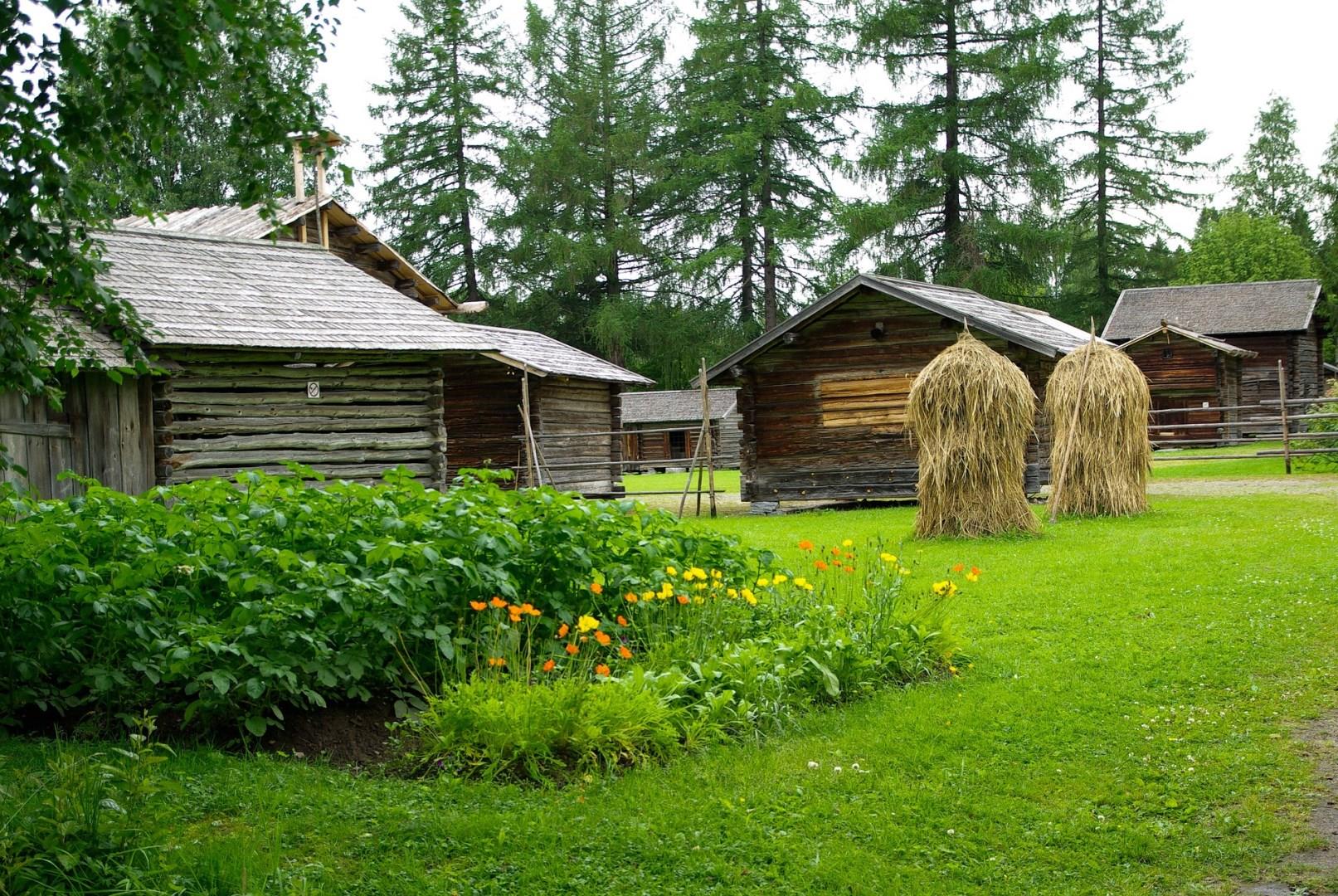
Finland offers an unforgettable travel experience with its blend of striking contrasts: icy winters and sunlit summer nights, centuries-old traditions and cutting-edge design. In Helsinki, visitors can stroll through the neoclassical Senate Square, stop by the contemporary Amos Rex art museum, and hop on a ferry to Suomenlinna, a UNESCO World Heritage Site built across six islands.

Tournus
Nestled in the picturesque Burgundy region of France, Tournus offers a charming glimpse into both its rich medieval history and its delightful contemporary culture. One of the city’s standout landmarks is the Abbey of Saint-Philibert, a remarkable example of Romanesque architecture. Founded in the 10th century, this abbey features stunning stone carvings and a tranquil cloister, making it a must-visit for history and architecture enthusiasts.

Doha
Doha presents a journey where heritage and modern design intersect gracefully. The Museum of Islamic Art, designed by I. M. Pei, rises from the Corniche and houses ceramics, textiles, manuscripts, and metalwork spanning fourteen centuries. Nearby, the National Museum of Qatar, shaped like a desert rose, narrates the country's story through immersive exhibits and architecture by Jean Nouvel. These institutions offer perspectives on both art and national identity.

Hanoi
Replete with intricate temples, immersive museums, and gastronomic delicacies, Hanoi will surely enchant you! The capital of Vietnam, bustling Hanoi is the perfect center for your next adventure in southeastern Asia.

New Caledonia
New Caledonia is an archipelago located in the south western part of the Pacific Ocean, and belongs to what is known as Melanesia. The mainland known as the "Grande Terre" is the principal island of New Caledonia and covers an area of 400 kms north to south and 50 kms west to east, with a total surface of 19 000 square meters. It is the third largest island in the South Pacific after New Guinea and New Zealand.
