
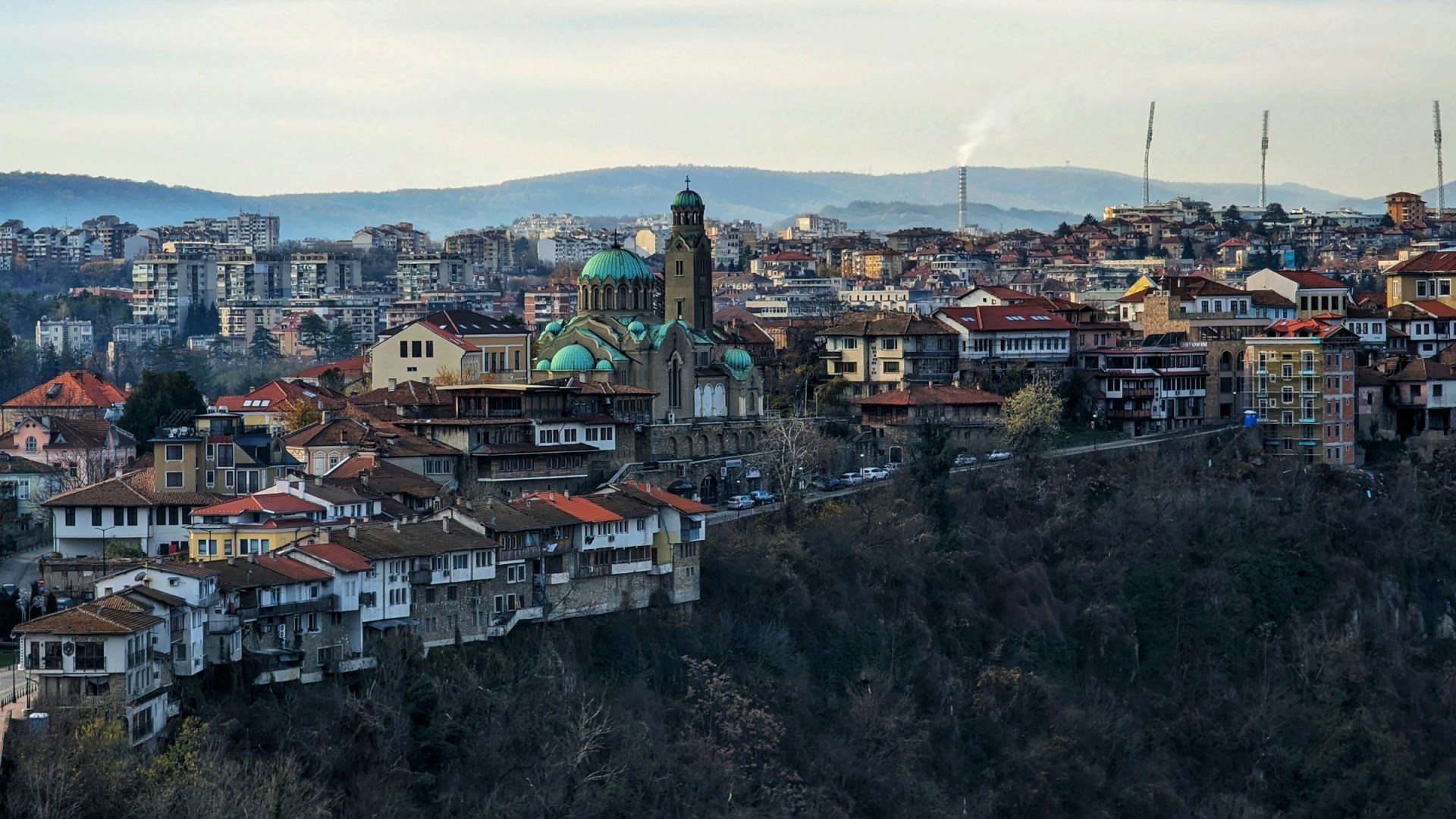
Veliko Turnovo
Veliko Tarnovo is a historic city in central Bulgaria, built along the steep hills and bends of the Yantra River. Its distinctive setting is defined by houses rising above the river and narrow streets that climb between the hills. The city is closely associated with Bulgaria’s medieval state and remains an important cultural center in the country.

Arkansas
Arkansas is often called “The Natural State,” and for good reason as it’s home to more than 600,000 acres of lakes and 9,700 miles of rivers and streams. From the Ozark Mountains in the north to the Delta plains in the east, the state’s landscapes offer a wide range of backdrops for hiking, paddling, or simply taking in the view.
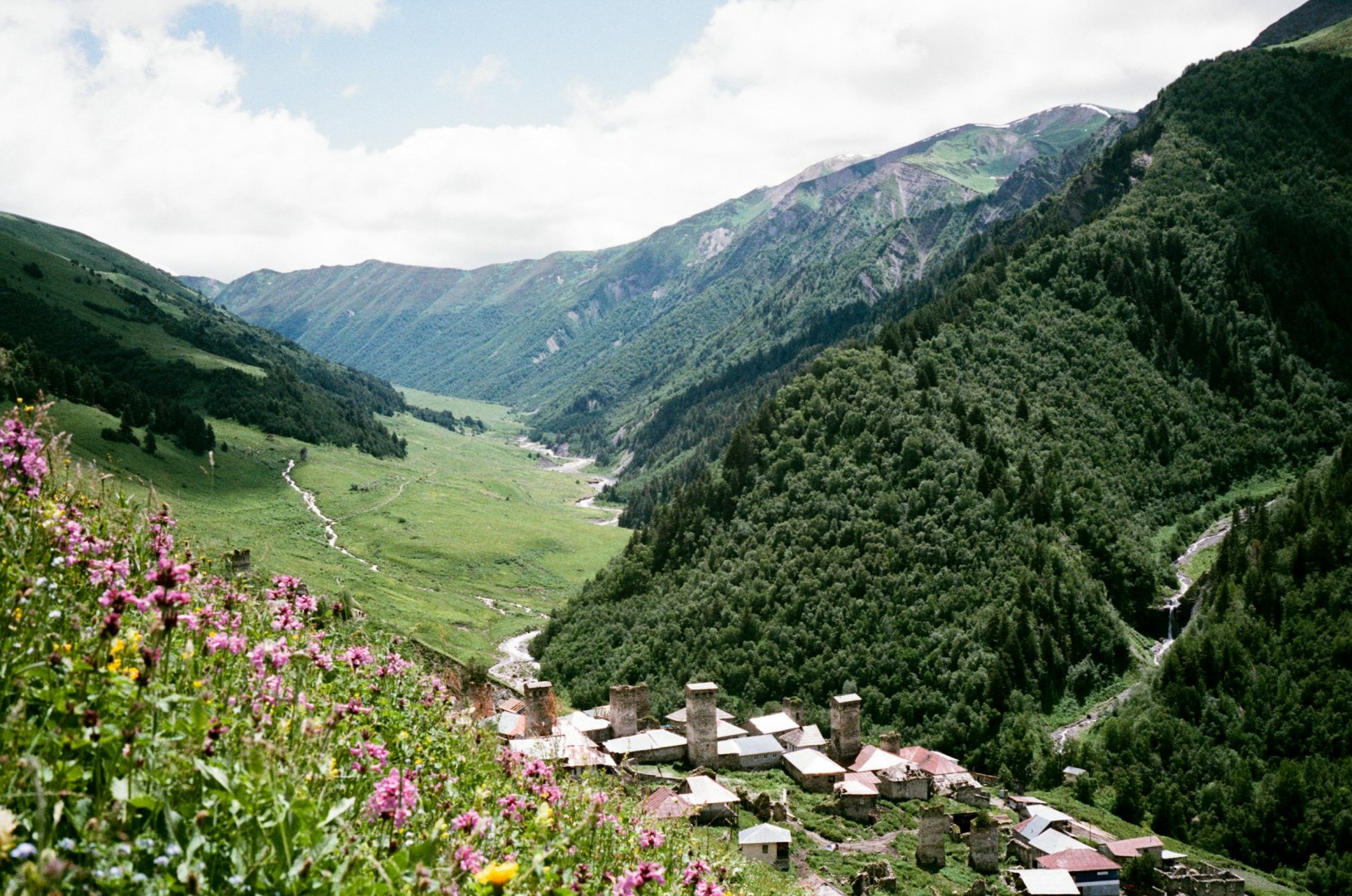
Adishi
Adishi is a remote mountain village in Upper Svaneti, Georgia, situated at about 2,040 meters in the Adishchala valley of the Greater Caucasus. The settlement is known for its traditional stone houses, defensive Svan towers, medieval churches, and views toward the surrounding high peaks and Adishi Glacier. Its compact layout and isolated setting preserve the character of a historic Svan village.
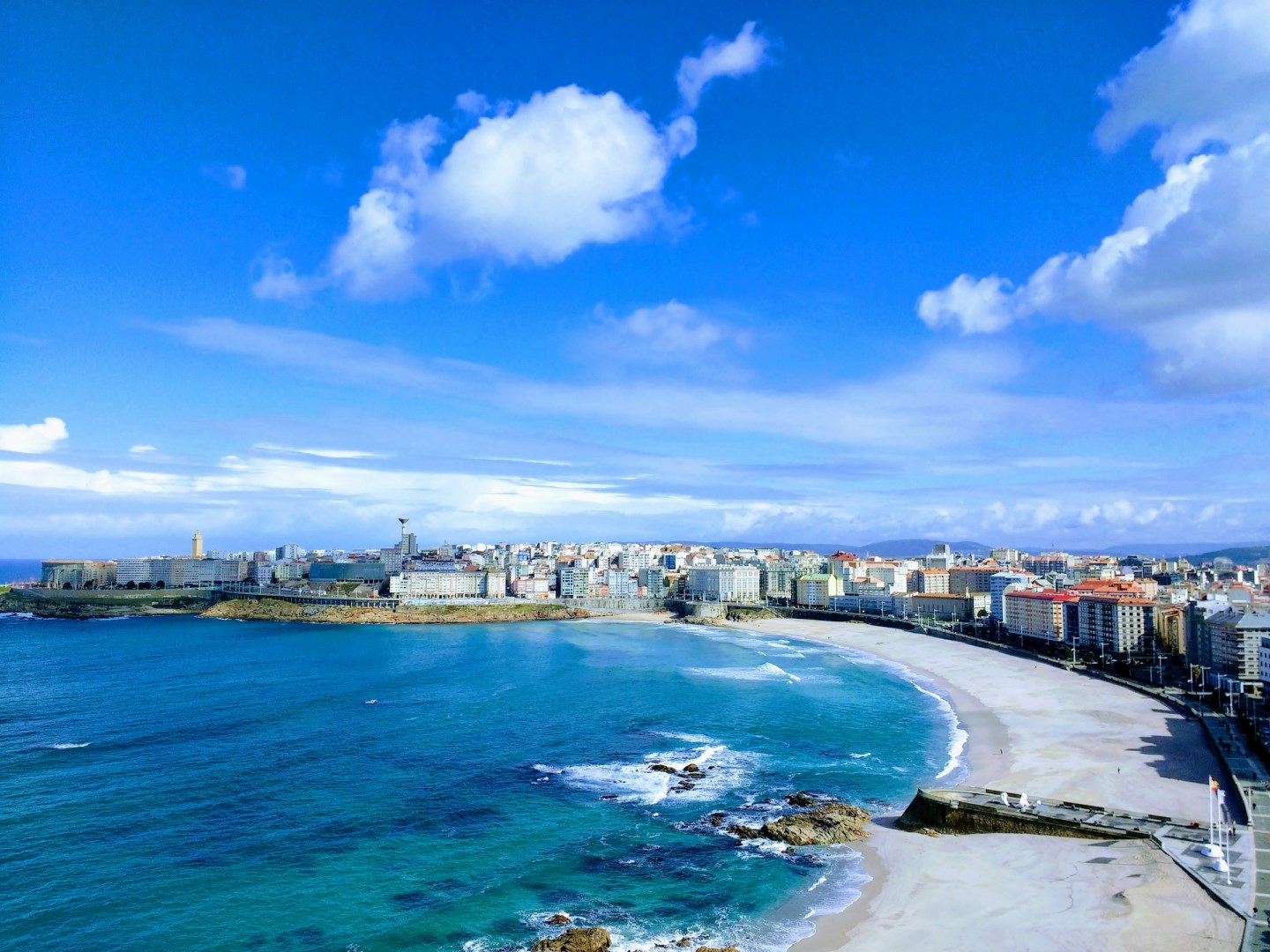
A Coruna
Perched on the northern coast of Spain, A Coruña (or La Coruña) is a captivating city with a rich maritime heritage and scenic beauty. Dominated by its iconic lighthouse, the Torre de Hércules, which is the oldest functioning lighthouse in the world, A Coruña offers a unique glimpse into ancient engineering.
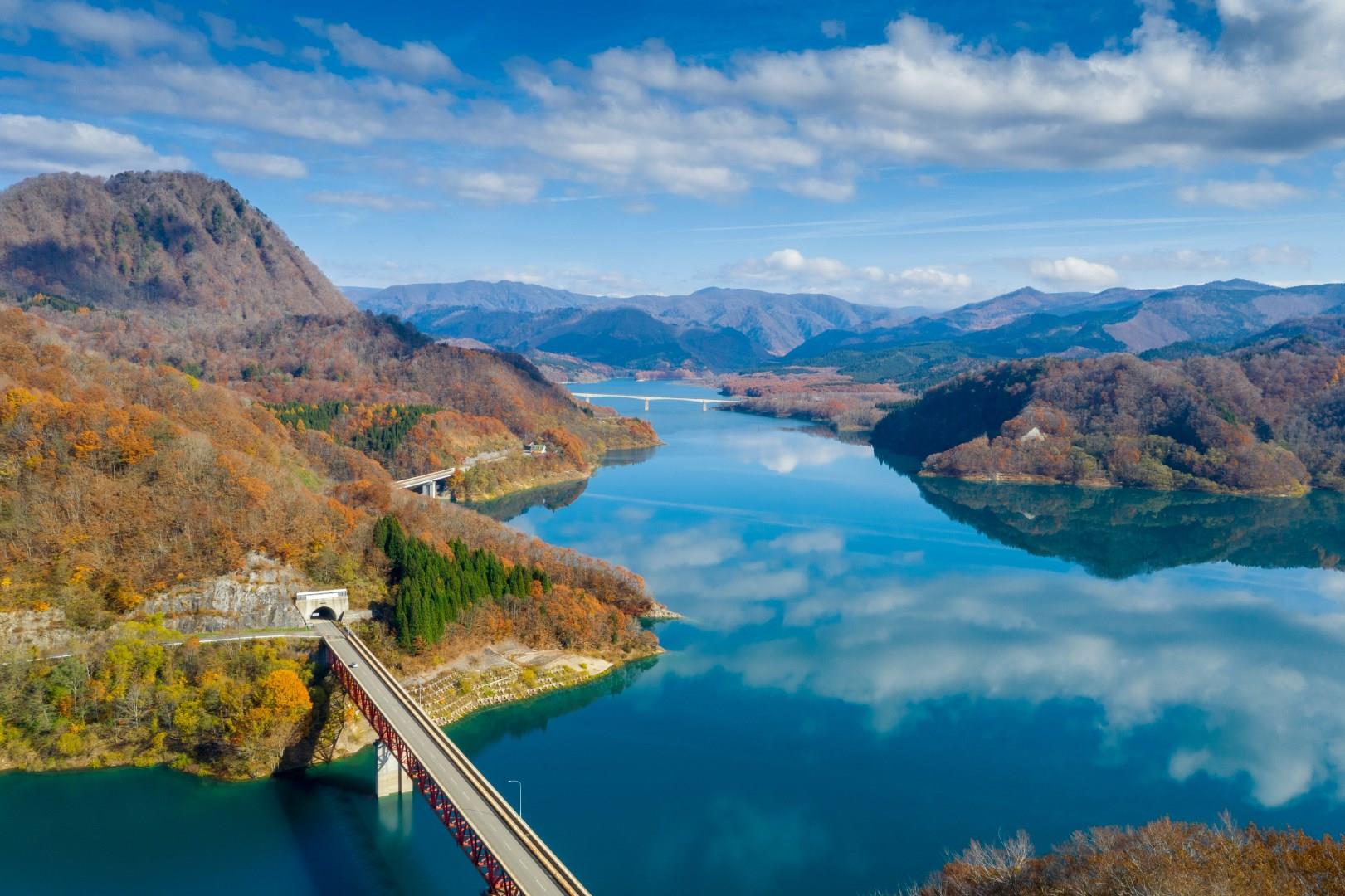
Akita
Akita sits in the northern part of Japan’s Tōhoku region and offers travelers experiences rooted in long-held traditions, lively festivals, and scenic valleys. Its capital city blends seasonal appeal with cultural offerings, from Senshu Park, once the site of Kubota Castle, where cherry blossoms and lotuses draw locals and visitors alike, to the Akita Museum of Art, a striking building designed by famed architect Tadao Ando that displays works including pieces by Tsuguharu Foujita.
