

Cape Town
Cape Town, located at the southern tip of South Africa, is one of the world’s most striking coastal cities. Towering over it is Table Mountain, a flat-topped landmark that can be reached by cable car or on foot, offering sweeping views of the city, ocean, and beyond.
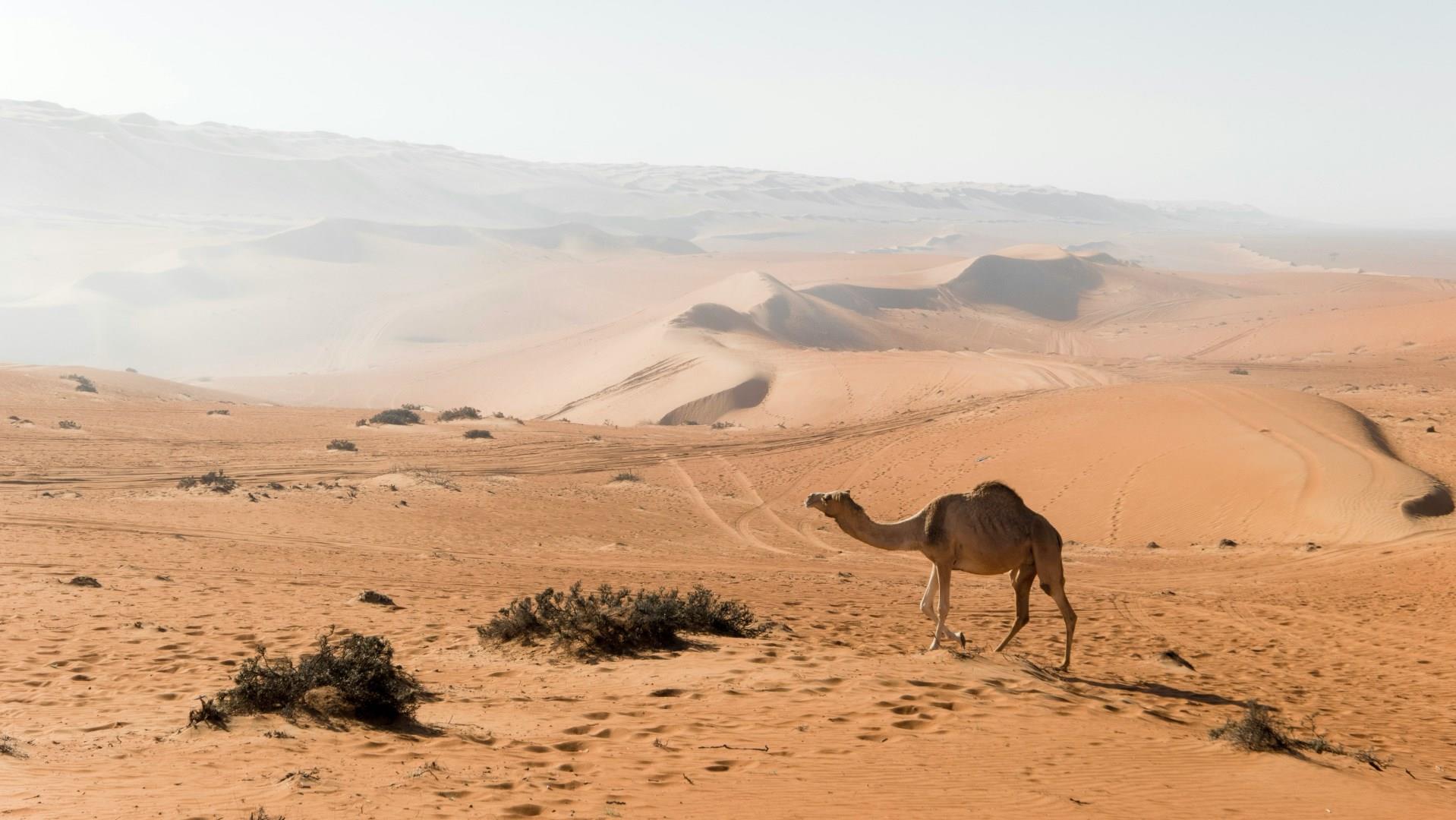
Wahiba Sands
Stretching across central Oman, the Wahiba Sands offer a dramatic desert landscape of rolling dunes that shift in color with the changing light. This vast sea of sand is home to towering ridges and open plains, creating an otherworldly backdrop for exploration.

American Samoa
American Samoa consists of a group of seven islands in the southern Pacific Ocean, comprising Tutuila; the Manua group, consisting of Tau, Olosega, and Ofu; Aunuu; Rose Island; and Swains Island.

Haiti
Haiti offers visitors a unique glimpse into a proud and resilient heritage. Its vibrant art, music, and traditions make it a destination unlike any other in the Caribbean.

Lefkada
Lefkada, an island in the Ionian Sea, is renowned for its stunning natural beauty and vibrant local culture. Connected to the mainland by a bridge, this Greek island offers a unique blend of sandy beaches, lush landscapes, and charming towns. Visitors are often drawn to Lefkada's world-famous beaches, such as Porto Katsiki and Egremni, which boast crystal-clear waters and dramatic cliffs. These beaches are perfect for sunbathing, swimming, and water sports, making Lefkada a haven for beach lover
