

Liverpool
Northwest England seaport city and the birthplace of the Beatles. Tourism is centered around the city's docks, and no visit is complete without The Beatles Story tour. Live music can be found from day to night at the Cavern Club.

Klaipeda
Klaipeda, Lithuania’s only port city, is a place where history, nature, and the sea come together. Located on the coast of the Baltic Sea, this charming city has a unique old town filled with cobblestone streets.

Ljubljana
Ljubljana, Slovenia's charming capital, offers a delightful blend of historical allure and modern vibrancy. Nestled along the Ljubljanica River, this picturesque city invites visitors to explore its well-preserved medieval architecture and vibrant cultural scene. At the heart of Ljubljana is the iconic Ljubljana Castle, perched on a hilltop with stunning panoramic views of the city.
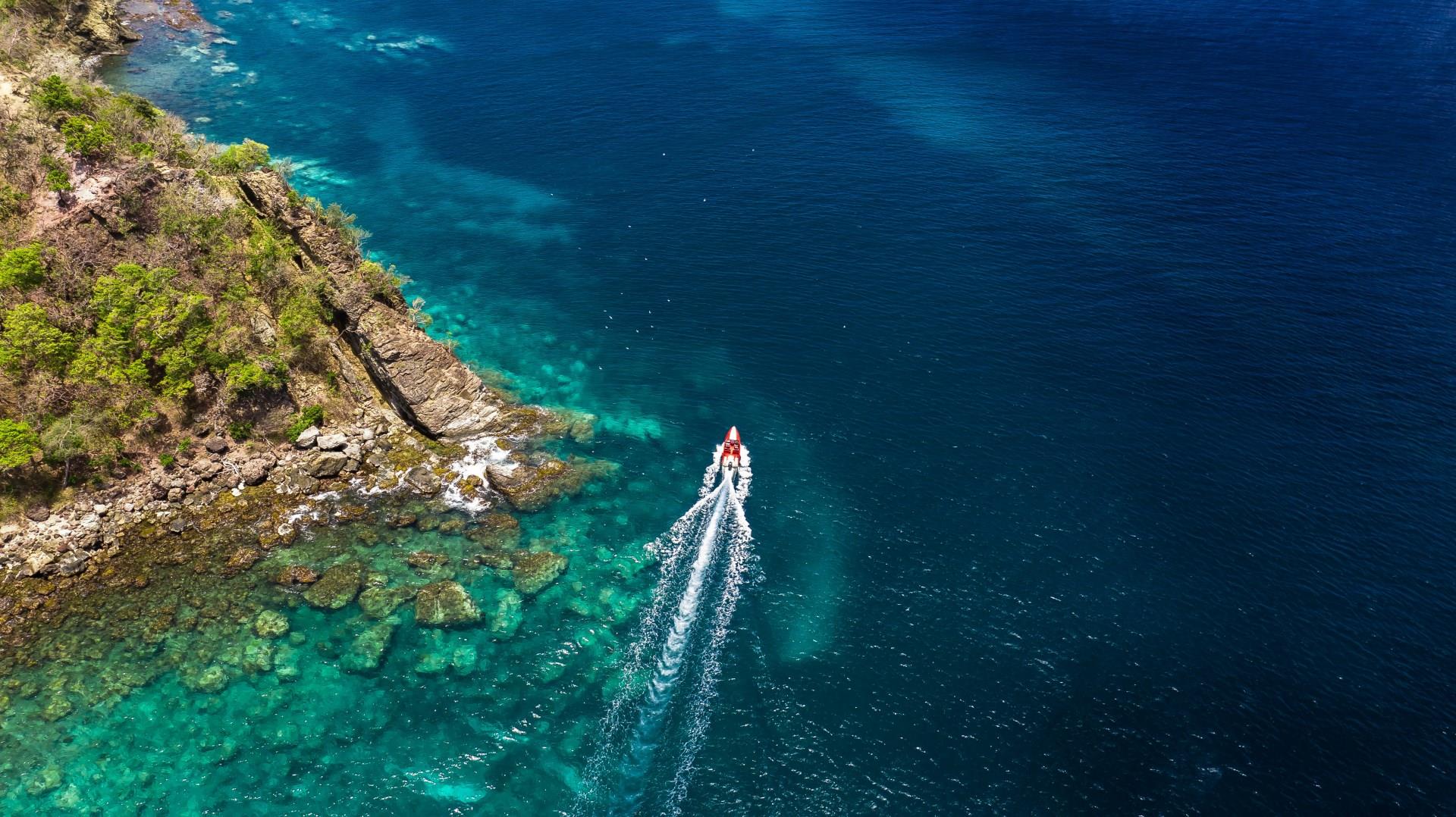
Carriacou
Carriacou, the largest of Grenada’s sister islands, offers a slower pace of life and an intimate window into traditional Caribbean culture. Known as the “Island of Reefs,” it is surrounded by vibrant coral systems that have long supported fishing and sailing traditions.

Cyprus
In Cyprus, travelers are immersed in a culture that draws on Europe, the Middle East, and 9000 years of constant invasion. Crusader castles rub shoulders with ancient vineyards, frescoed monasteries overlook citrus orchards, and sandy, sun-soaked feet tread Roman mosaic floors.
