
Brunei
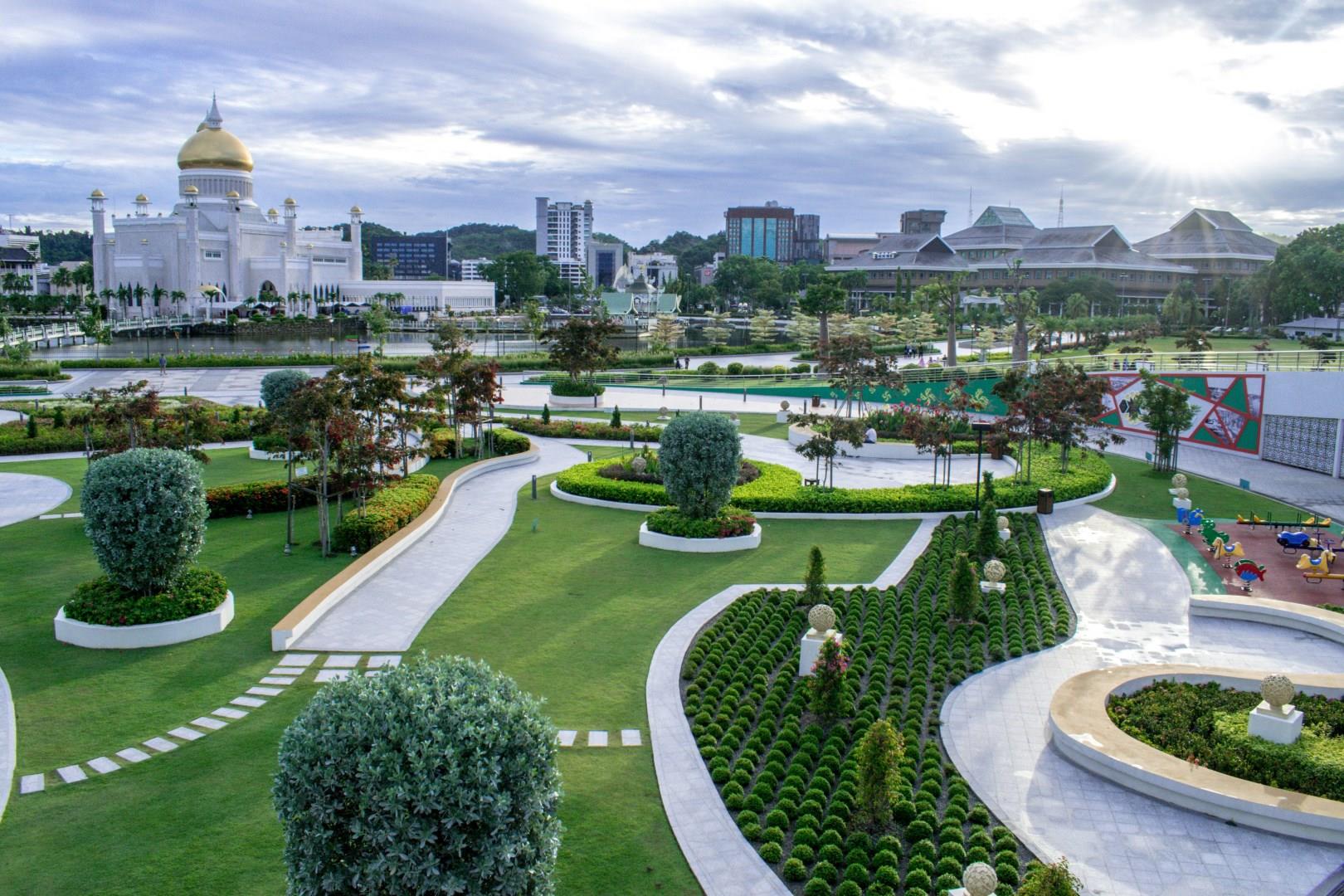
Brunei is a small country on the island of Borneo known for its wealth, tropical rainforests, and rich cultural heritage. The country’s landscapes are a mix of dense jungles, rivers, and coastal mangroves, offering a peaceful environment where nature remains largely intact.
North Dakota
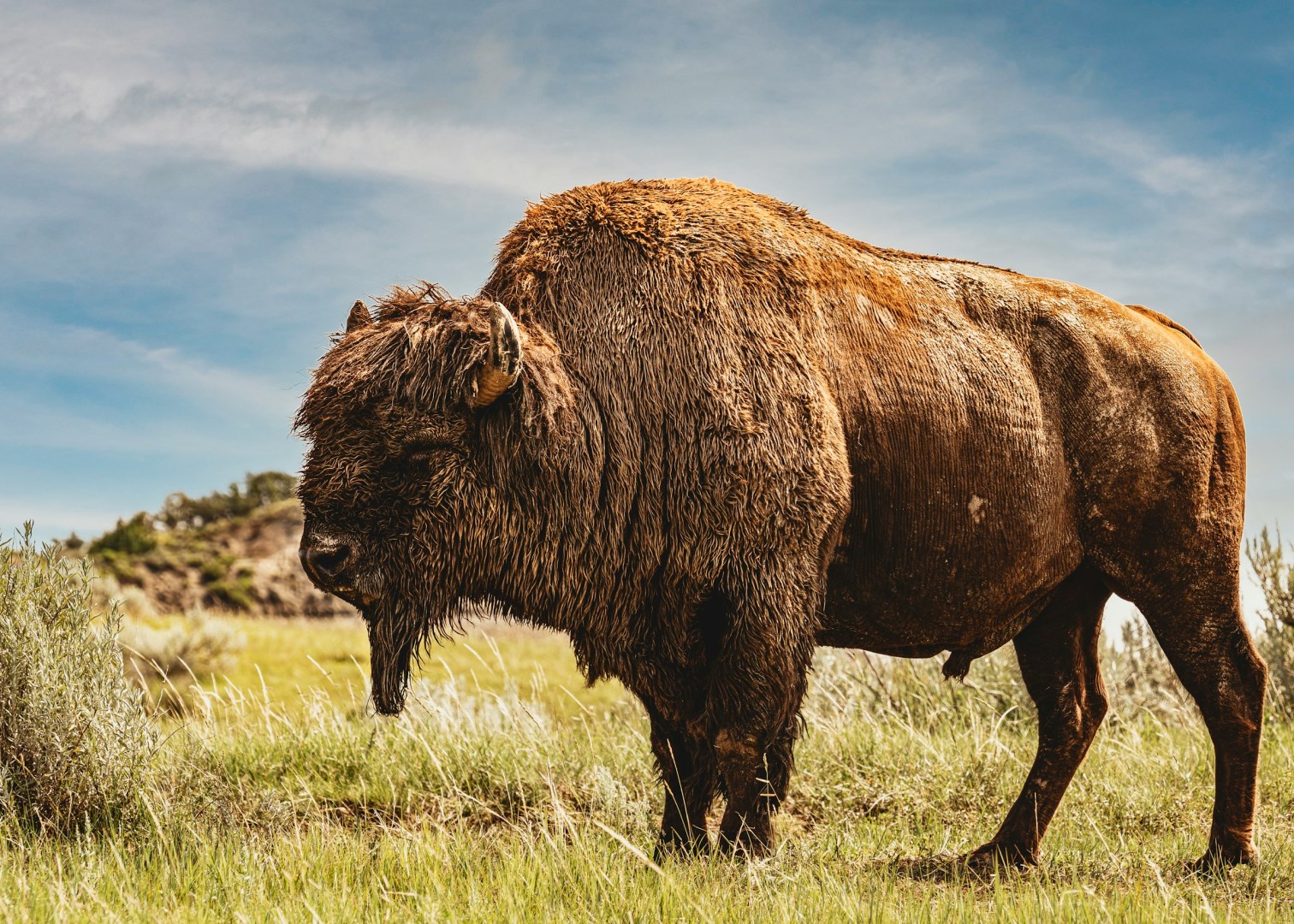
North Dakota invites travelers to explore a landscape where wide-open prairies meet dramatic badlands, and small towns preserve traditions that stretch back generations. At Theodore Roosevelt National Park, visitors can watch wild bison graze under the vast sky or drive along the scenic Loop Road to see wild horses, prairie dogs, and colorful rock formations that seem painted by time.
Mayotte
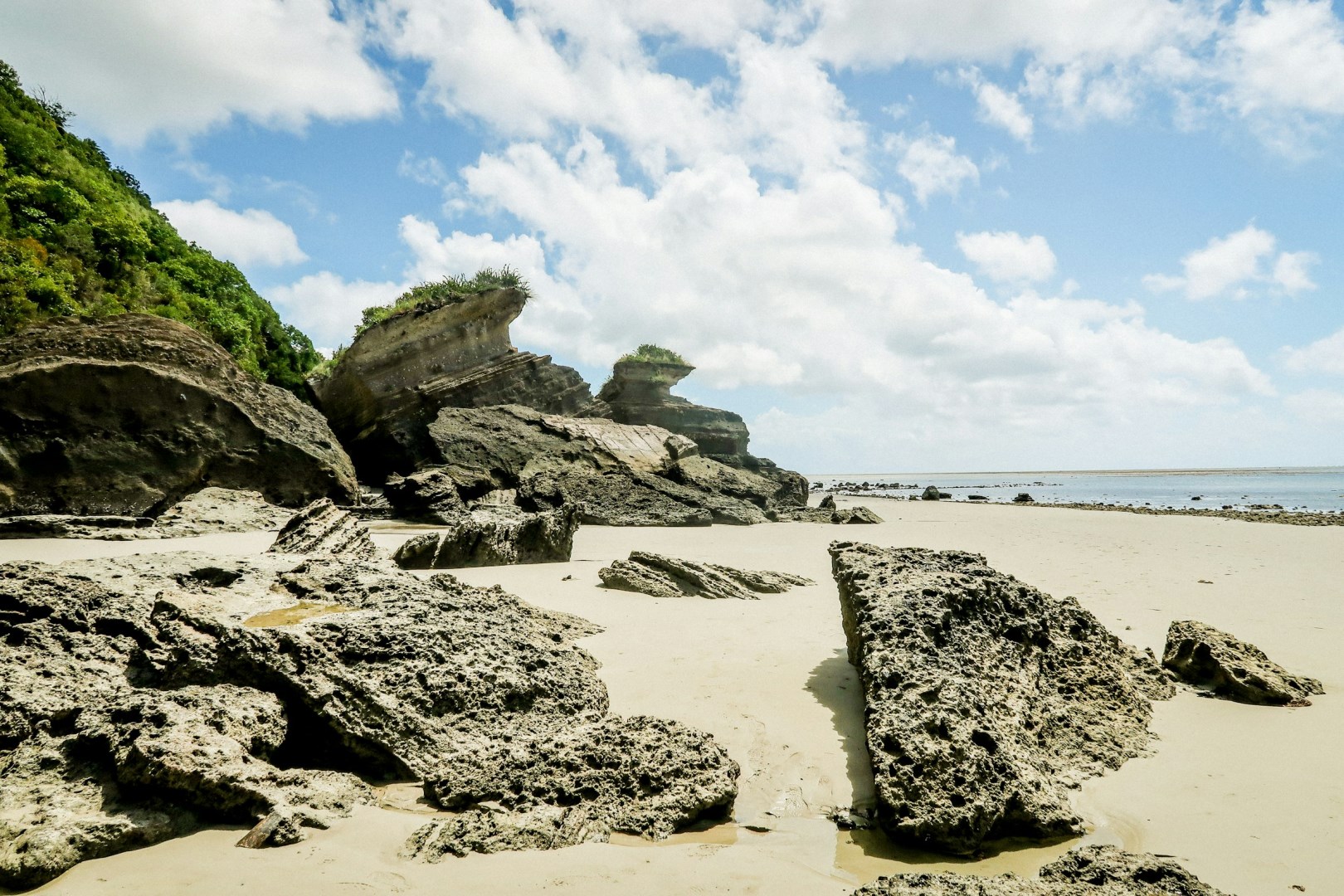
The southernmost island in the crescent-shaped Comoros archipelago. Encircled by a barrier reef, Mayotte is blessed with one of the world's perfect lagoons. In its lush forests, the fragrant yellow flowers of the ylang-ylang tree are picked to extract their perfumed oil. Against a backdrop of waterfalls and volcanic peaks on Mayotte, there is a feeling of rural tranquility.
Oslob
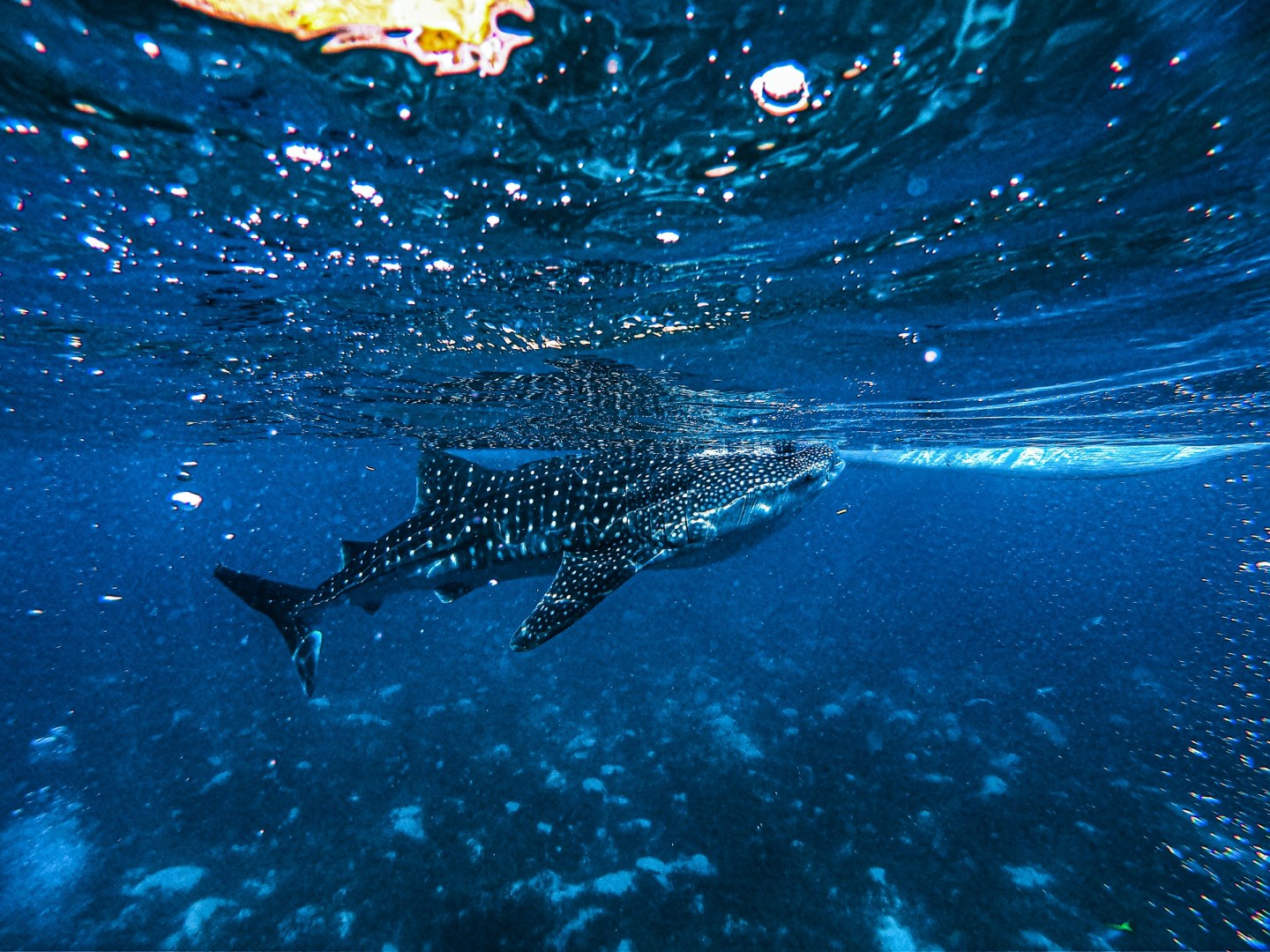
Oslob is a coastal municipality in southern Cebu, Philippines, facing the Bohol Strait. The area combines a historic town center with fishing communities, beaches, coral-rich waters, and mountainous terrain rising inland. Oslob is best known for its marine tourism, particularly whale shark encounters, but it also has cultural and natural attractions away from the coast.
Port-au-Prince
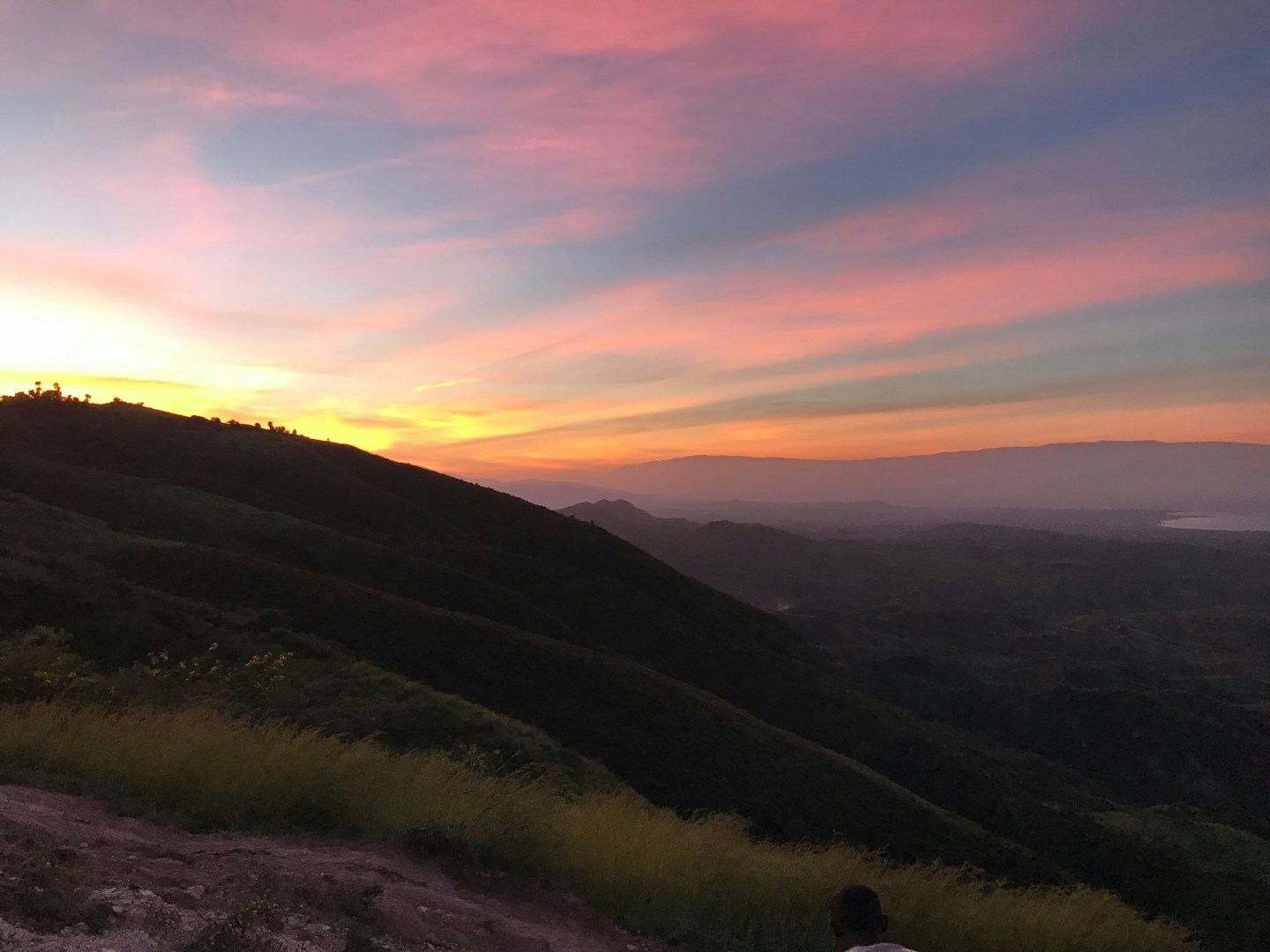
Port-au-Prince in Southwest Haiti is the capital. The country's largest city, commercial center, and chief seaport, it is laid out like an amphitheater around a bay. Founded in 1749 by French sugar planters, it became the colonial capital in 1770, replacing Cap-Haïtien.
