
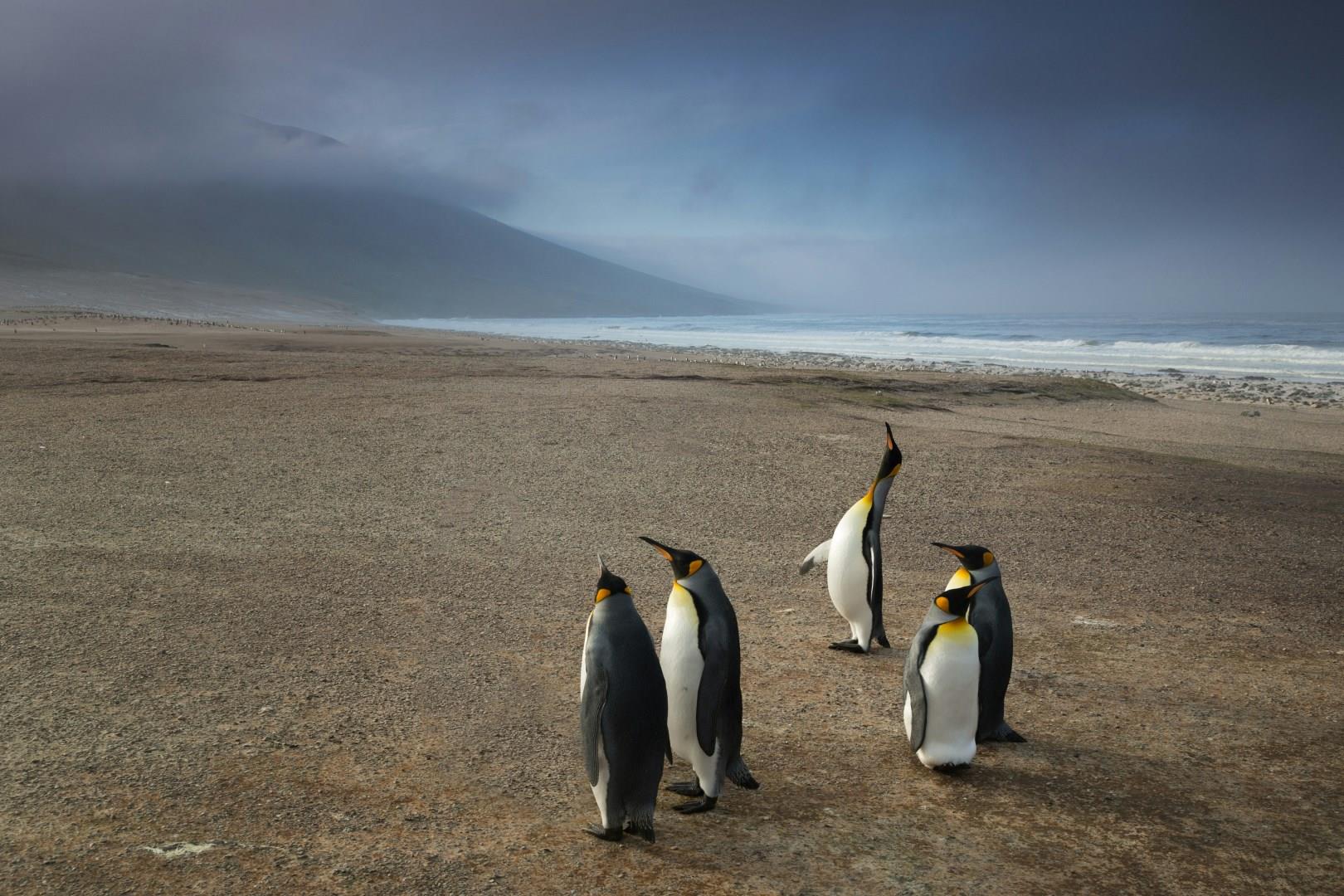
Falkland Islands
The Falkland Islands, a remote archipelago in the South Atlantic, offer a striking combination of wild open spaces, rich wildlife, and a way of life shaped by wind, sea, and resilience. With fewer than 3,500 residents spread across over 700 islands, the Falklands provide a rare opportunity to disconnect from busy modern life and connect with wide skies, rugged coastlines, and some of the most accessible wildlife experiences on the planet.
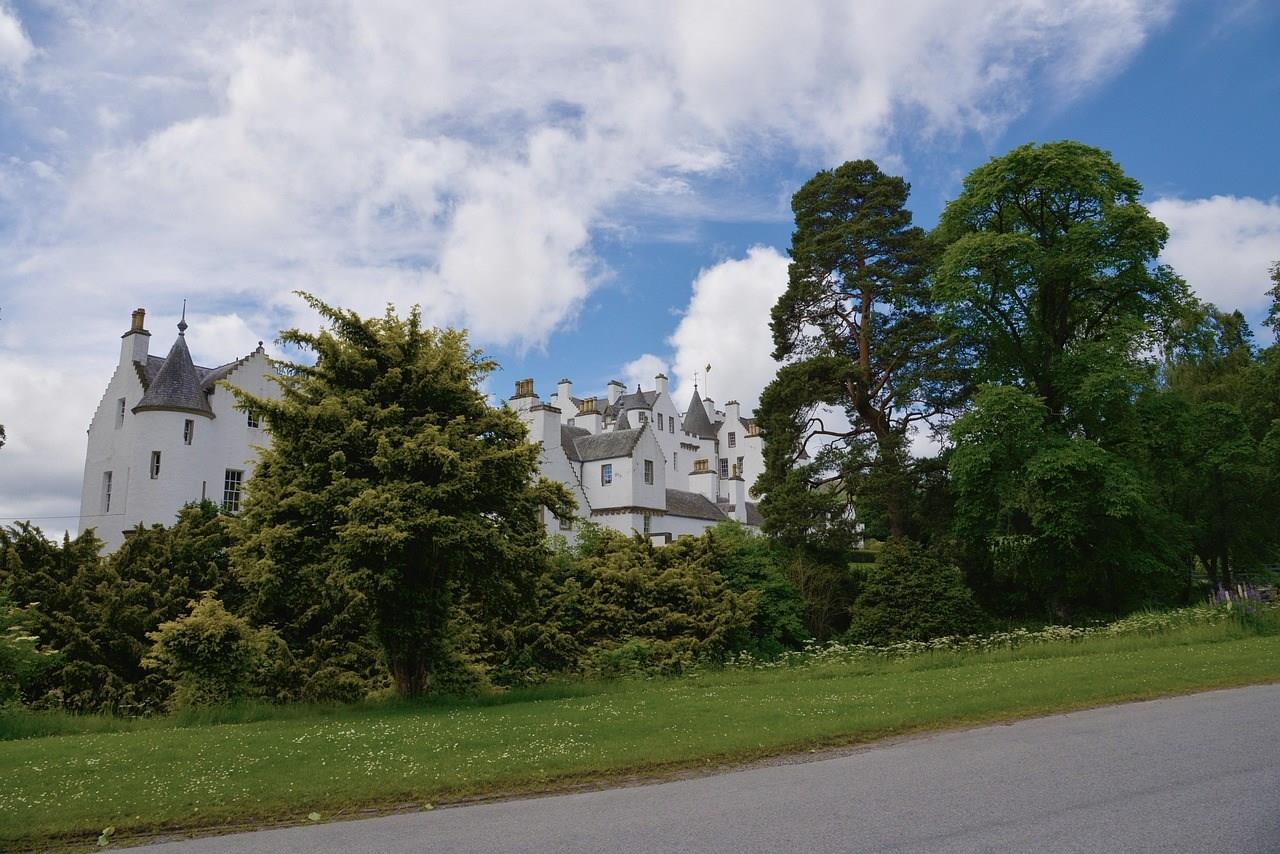
Blair Atholl
Blair Atholl, a village in the heart of Highland Perthshire, Scotland, is best known as the home of Blair Castle, a striking white-walled fortress that has stood for over seven centuries.

Blyde River Canyon
Nestled in the northeastern corner of South Africa, the Blyde River Canyon offers a breathtaking panorama of natural beauty and geological wonder. As one of the largest canyons in the world, this verdant ravine stretches approximately 26 kilometers long and plunges to depths of over 800 meters. Its lush, subtropical foliage and dramatic rock formations create a landscape that is both picturesque and awe-inspiring.

Punta del Este
Explore Punta del Este, a popular resort town on the coast of southeastern Uruguay. A favorite summer destination for locals and tourists alike, Punta del Este offers spectacular beaches, delectable eats, fascinating museums, and truly luxurious resorts.

Borgarfjörður
Borgarfjörður, nestled in the heart of West Iceland, offers a captivating blend of natural beauty and cultural heritage. The fjord, surrounded by dramatic mountains and lush green landscapes, provides a picturesque setting for outdoor enthusiasts and nature lovers. One of the highlights of the area is the magnificent Hraunfossar waterfalls, where crystal-clear water cascades over lava fields into the Hvítá River, creating a breathtaking spectacle.
