
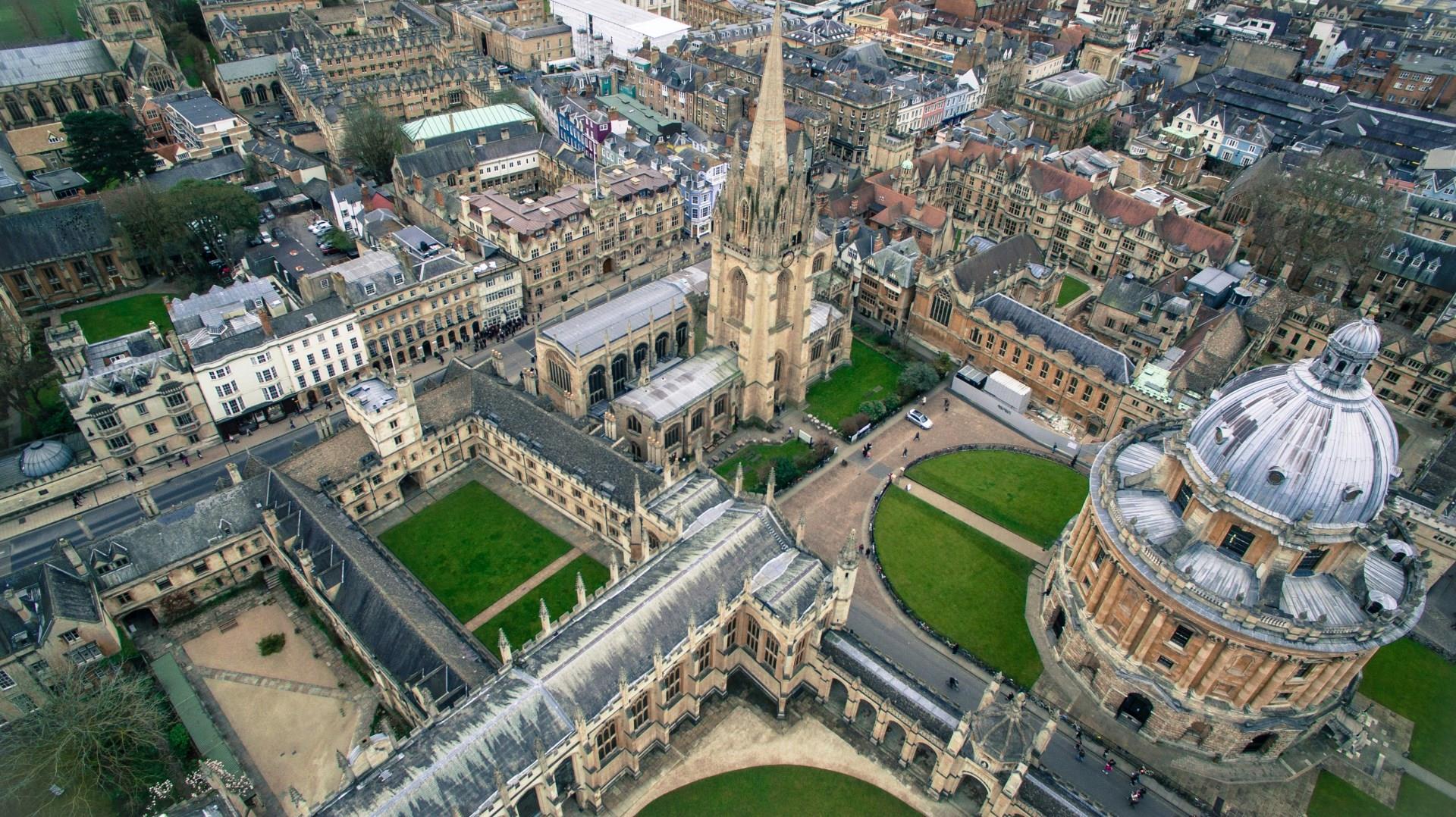
Oxford
Oxford is best known for its world-famous university, but the city offers much more than historic college halls and ivory towers. Its skyline, shaped by spires and domes, hints at centuries of intellectual life. The University of Oxford dates back to at least the 12th century and includes iconic buildings like the Bodleian Library, one of the oldest libraries in Europe, and the Radcliffe Camera, a circular reading room that looks more like a cathedral than a place for quiet study.
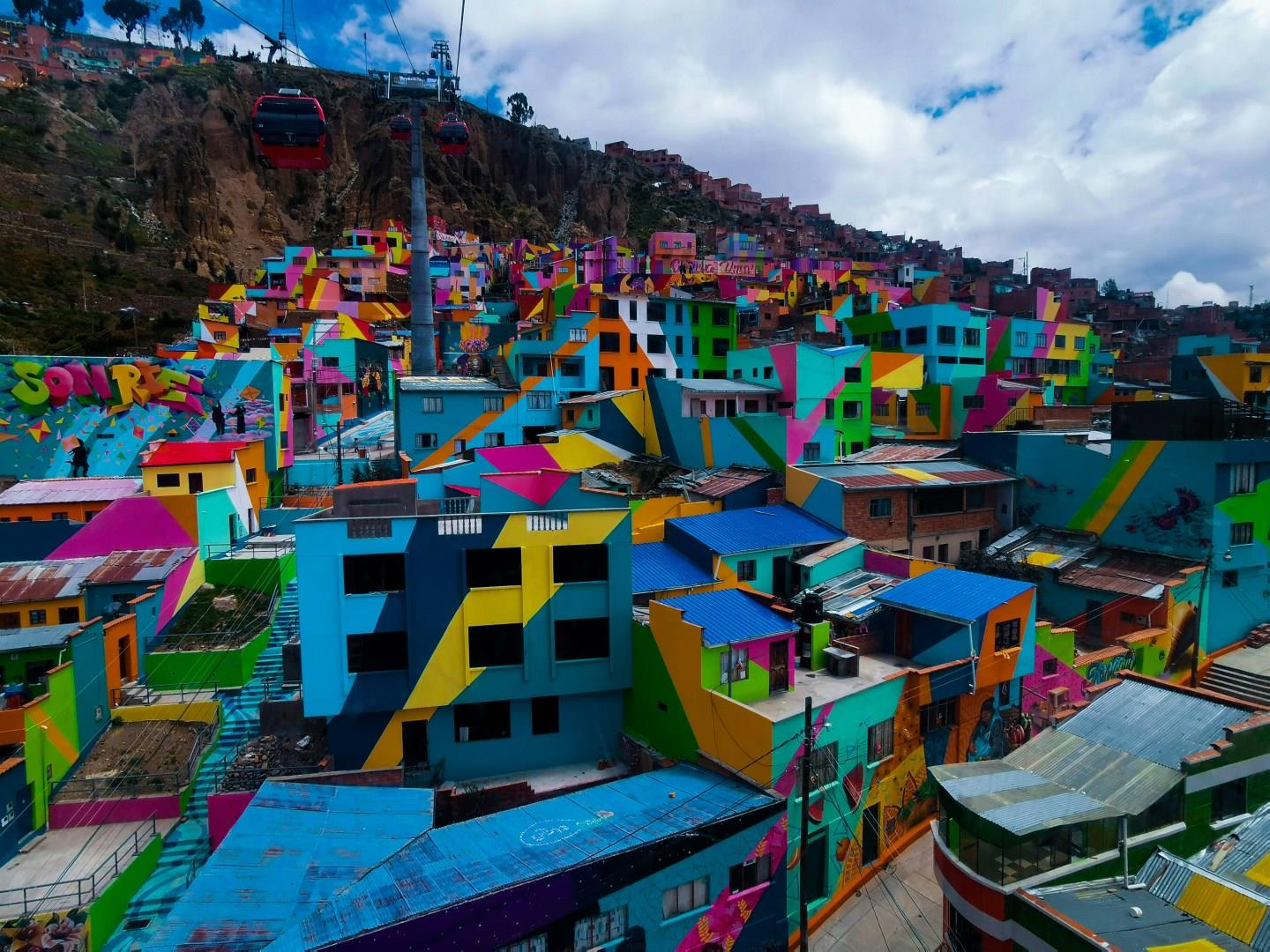
La Paz
La Paz, Bolivia’s seat of government, is one of the world’s highest capital cities, dramatically set in a deep canyon carved by the Choqueyapu River. Founded in 1548 atop an important Indigenous settlement, the city has long been a crossroads of Andean cultures, colonial history, and modern political life.
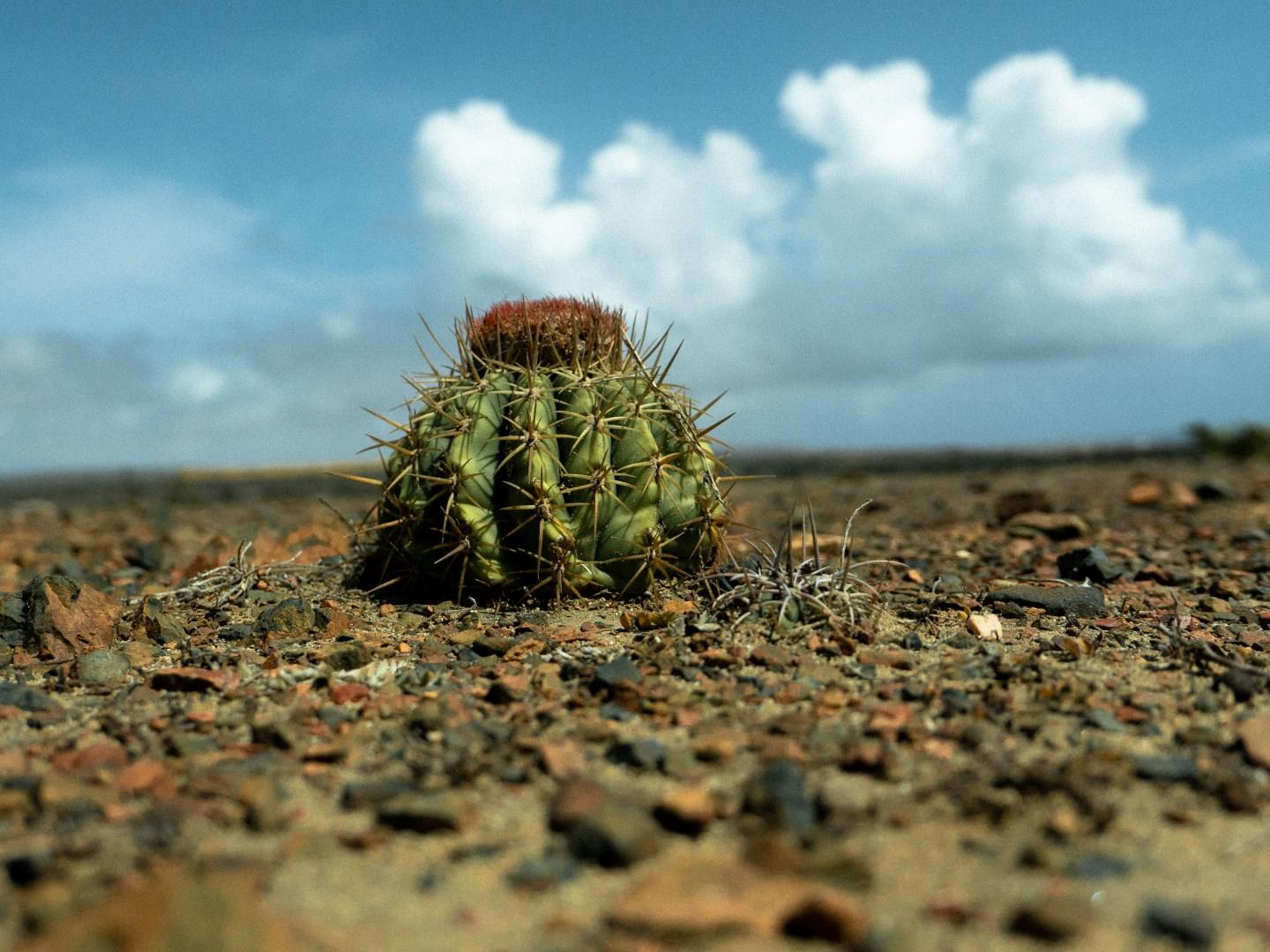
Arikok National Park
Arikok National Park, covering nearly 20% of Aruba, is a striking showcase of the island’s rugged landscapes, cultural history, and biodiversity. Unlike the postcard image of Aruba’s white-sand beaches, Arikok reveals a wilder side, with windswept hills, desert-like terrain, and dramatic limestone cliffs meeting the sea.

Portofino
Portofino, Italy, is a jewel on the Italian Riviera, famed for its colorful buildings, glamorous yachts, and charming harbor. This picturesque fishing village, with its pastel-colored houses that cascade down to the emerald-green waters, exudes a quaint yet luxurious atmosphere. The Piazzetta, the heart of Portofino, is a lively square where visitors can sip an espresso or enjoy fresh seafood while watching the elegant boats bobbing gently in the harbor.

Chaniá
Chania, the jewel of western Crete, is a city where history, culture, and natural beauty converge to create a captivating experience. Known for its Venetian harbor, Chania boasts a unique blend of Venetian, Ottoman, and Greek influences. The harbor's old lighthouse, built in the 16th century by the Venetians, stands as a timeless sentinel over the bustling waterfront, which is lined with colorful buildings, inviting cafes, and vibrant tavernas.
