
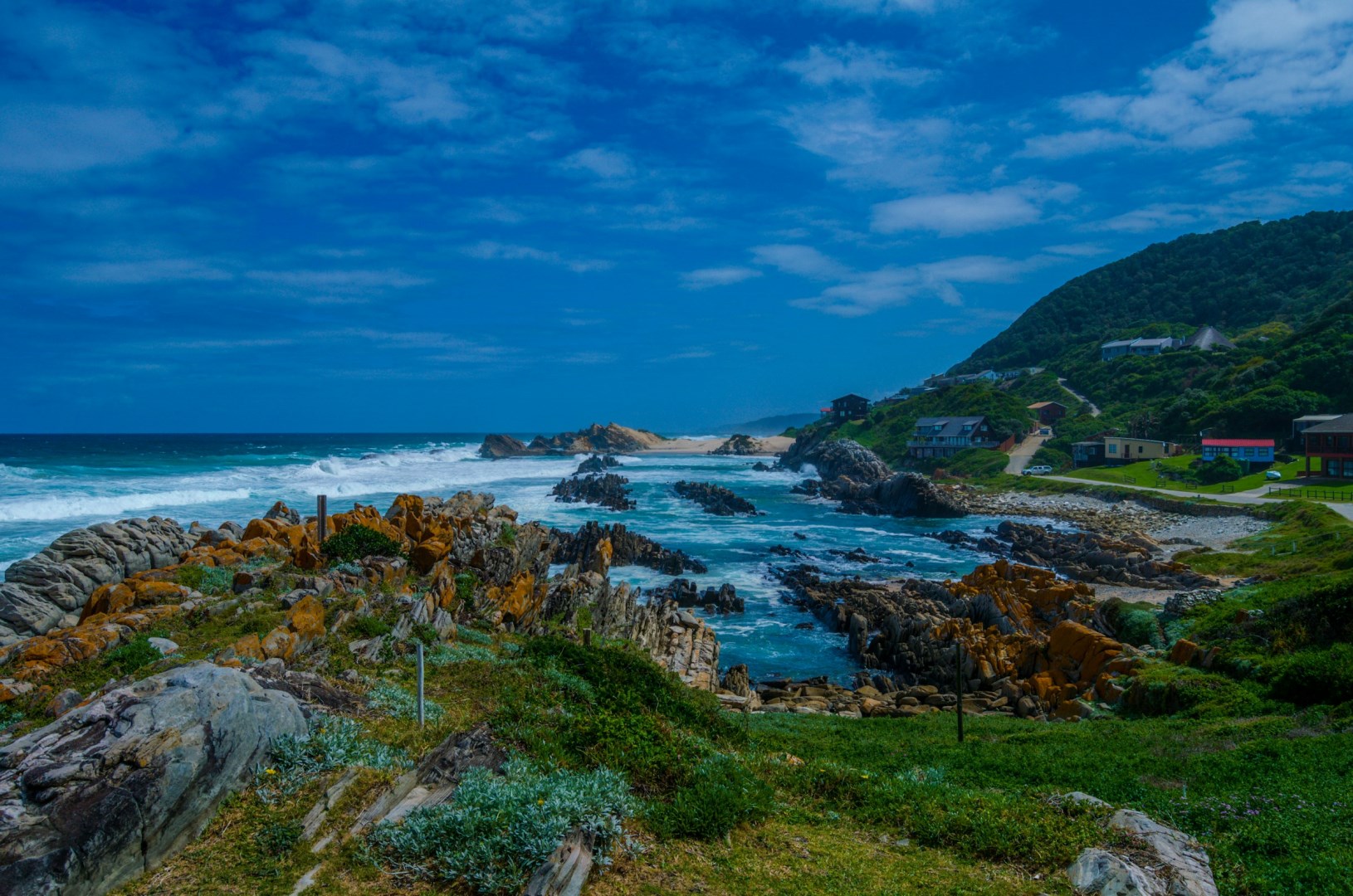
Jeffreys Bay
Jeffreys Bay is a coastal town in South Africa’s Eastern Cape province, situated along the Indian Ocean about 75 kilometres west of Gqeberha.

Greenland
Greenland, the world’s largest island, offers travelers an experience that feels like stepping onto another planet. Vast ice sheets, towering glaciers, and deep fjords stretch across the horizon, creating a landscape that constantly shifts with the light. During summer, the Midnight Sun casts a golden glow well past midnight, while winter brings months of darkness lit by vibrant displays of the Northern Lights.
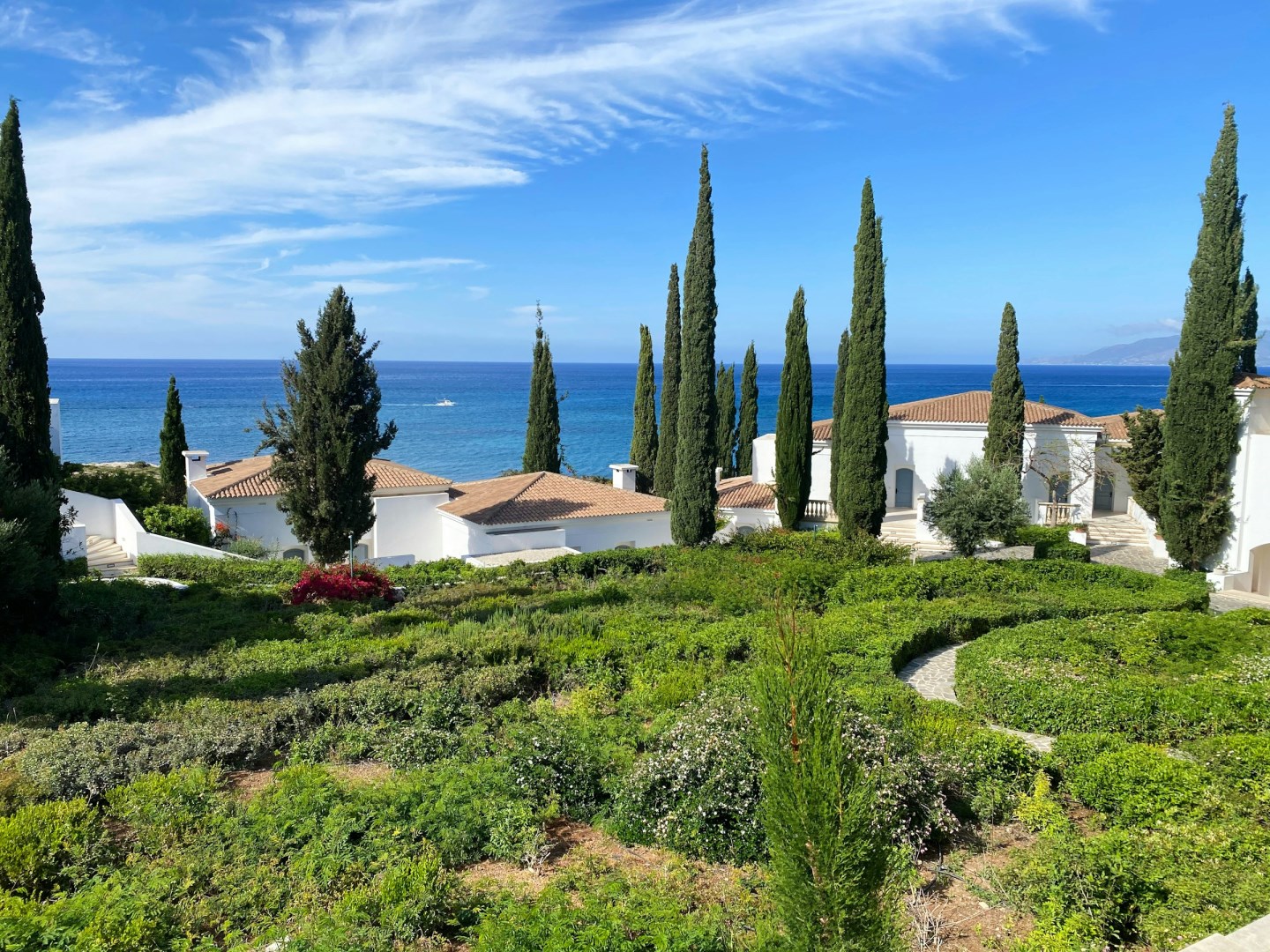
Paphos
Paphos is a coastal city in southwestern Cyprus, combining a working harbor, Mediterranean beaches, historic neighborhoods, and one of the island's most important archaeological landscapes. The city is closely associated with Aphrodite, the ancient Greek goddess whose cult was centered in the Paphos region.

Giurgiu
Giurgiu, a charming city in southern Romania, offers a unique blend of history, culture, and natural beauty, making it a captivating destination for travelers seeking an off-the-beaten-path experience.

Oaxaca
Oaxaca, nestled in the heart of southern Mexico, is a city where ancient traditions and vibrant culture thrive. Renowned for its rich history and indigenous heritage, Oaxaca offers a unique blend of pre-Columbian, colonial, and modern influences. The city's historic center, a UNESCO World Heritage site, is a testament to its past, featuring stunning colonial architecture such as the Santo Domingo de Guzmán Church, a masterpiece of Baroque art.
