
Bogota
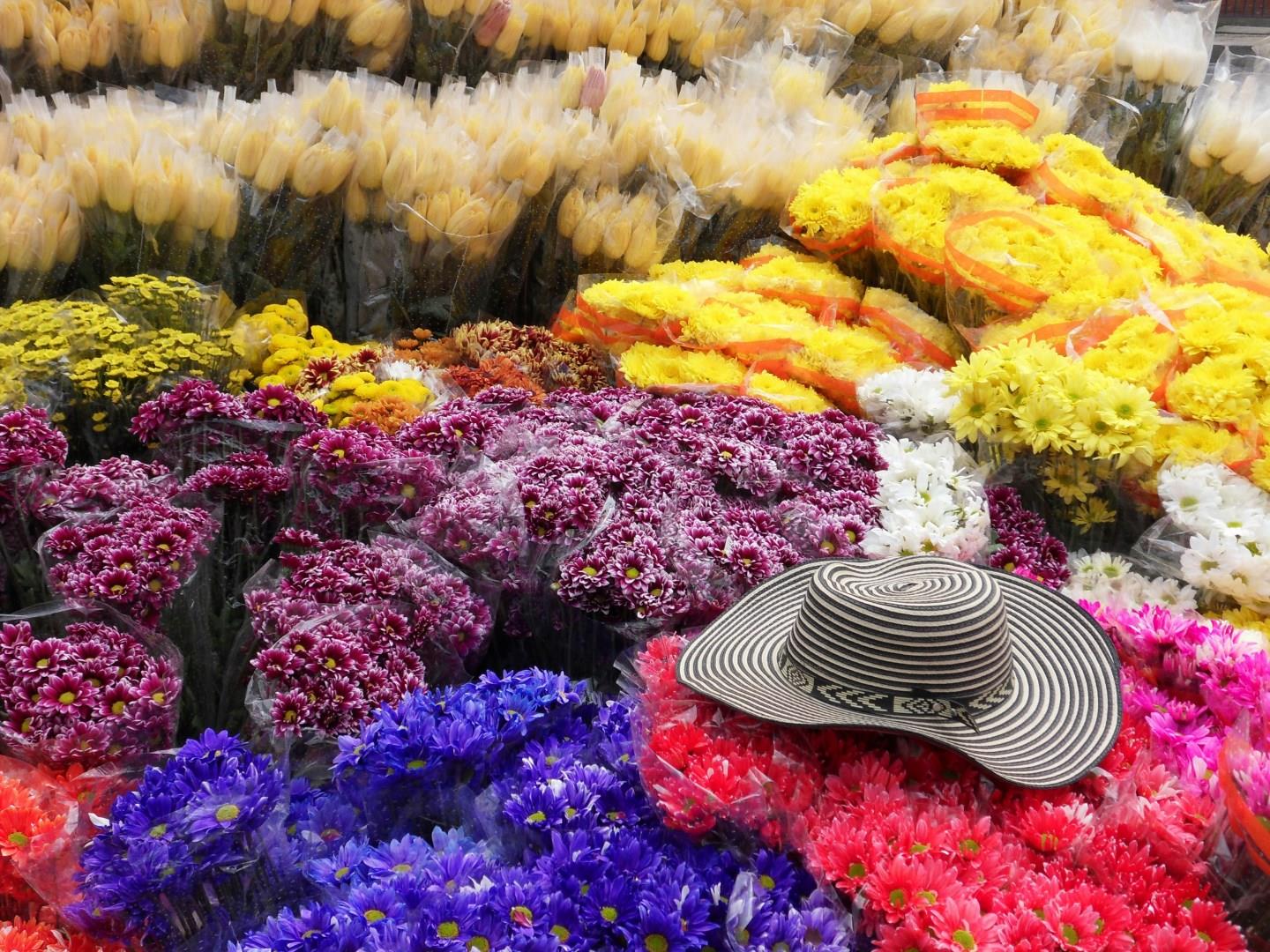
Bogotá, the vibrant capital of Colombia, sits high in the Andes at 2,640 meters above sea level. The city balances historic charm with modern energy, where cobblestone streets meet bold street art and colonial churches stand beside sleek galleries and cafes. At the heart of it all is La Candelaria, Bogotá’s oldest neighborhood, where travelers can visit centuries-old buildings, including the neoclassical Capitol and the richly decorated Gold Museum.

Tashkent
Tashkent, the capital of Uzbekistan, lies at the crossroads of Central Asia and has long been a hub of culture, trade, and political life. Its history stretches back over two millennia, shaped by Persian, Mongol, and Russian influences.
Saratoga Springs
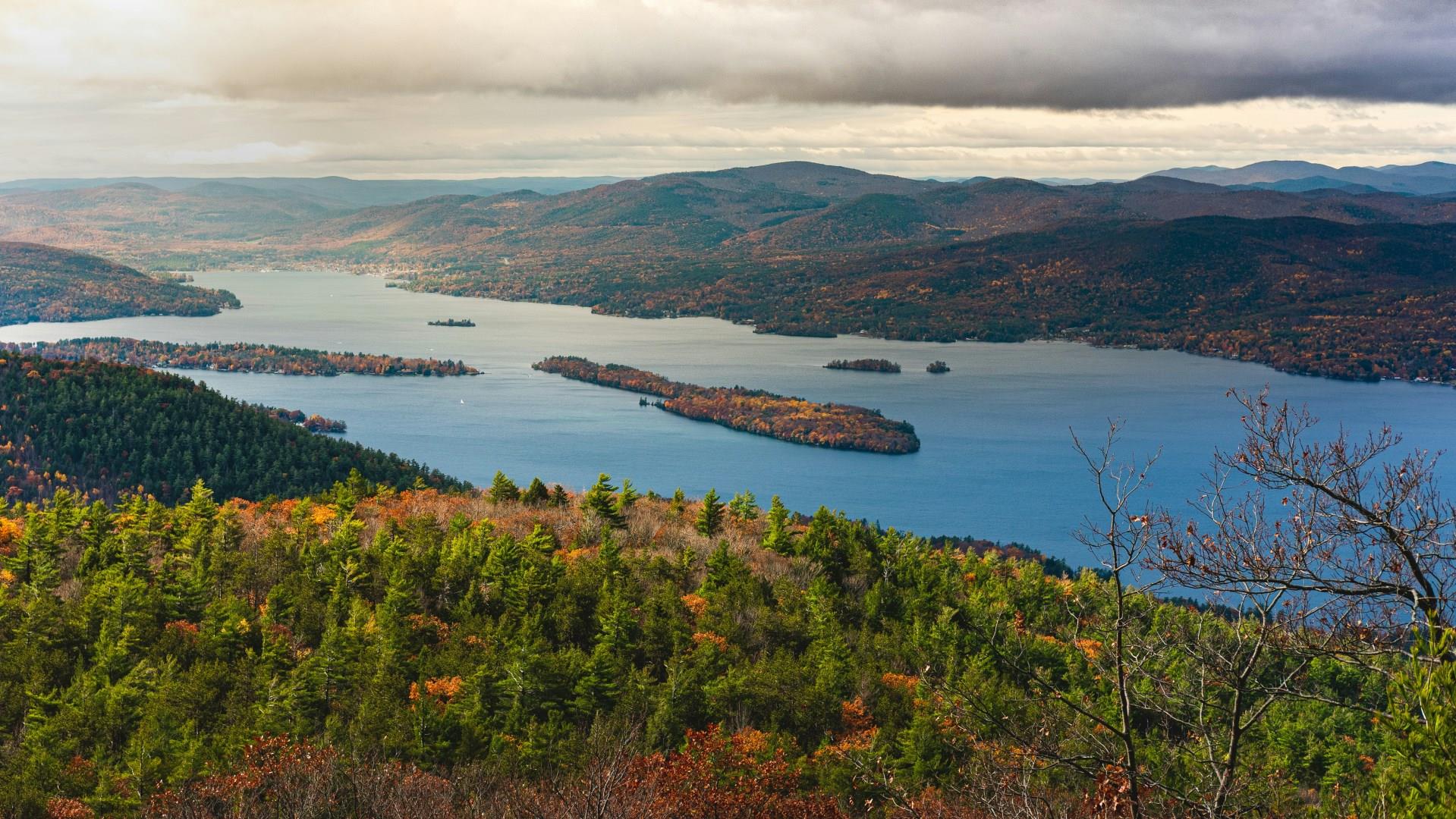
Saratoga Springs, New York, has long drawn visitors with its bubbling mineral springs, historic charm, and a calendar full of events that give the town a lively edge. Known as “The Spa City,” Saratoga first gained fame in the 19th century for its naturally carbonated waters, believed to have healing properties. Downtown Saratoga Springs is known for its walkable streets, filled with locally owned boutiques, cafés, and bookstores.

Bulgaria
Bulgaria is a republic in southeastern Europe. The capital and largest city is Sofiya. Bulgarian culture has been influenced successively by Byzantine, Greek, Russian, and Western cultures.

Kamloops
Kamloops, located in the interior of British Columbia, sits at the meeting point of the North and South Thompson Rivers. The name comes from the Secwépemc word “Tk’emlúps,” meaning "where the rivers meet," and the area has been a gathering place for Indigenous communities for thousands of years. Today, visitors can explore this rich cultural heritage at the Secwépemc Museum and Heritage Park, where trails lead through archaeological sites and reconstructed pit houses.
