
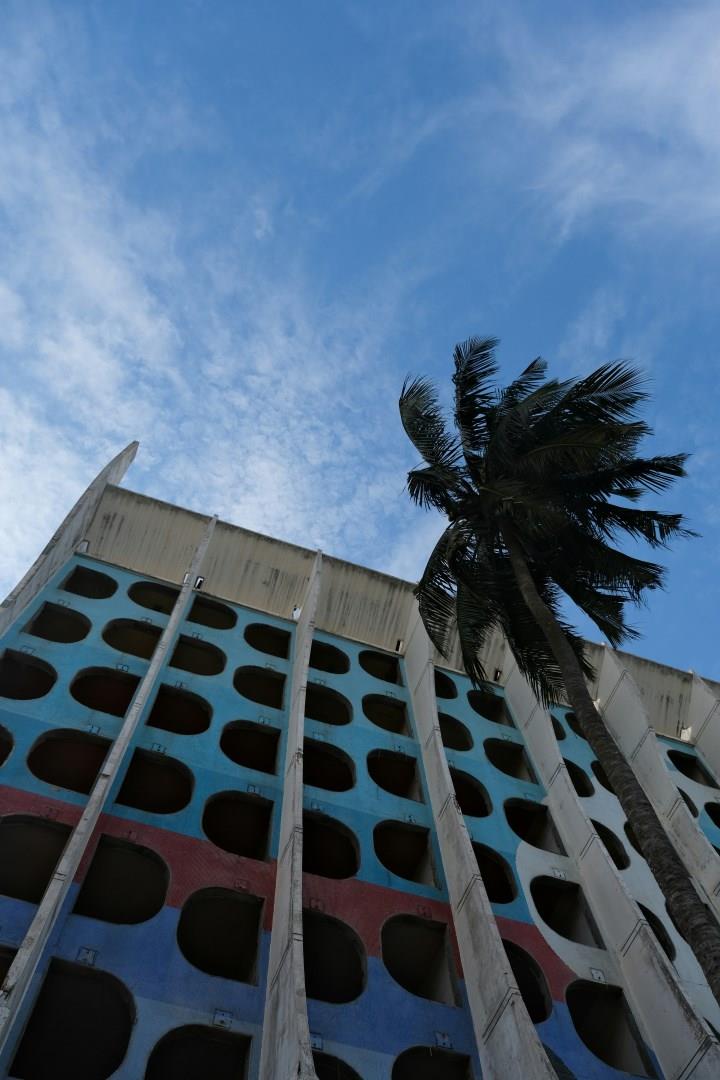
Lome
Lomé, the capital city of Togo, sits along the Gulf of Guinea and serves as both the political and cultural heart of the country. Lomé’s coastline features beaches where locals gather and where visitors can enjoy views of the Atlantic Ocean.

Las Vegas
Las Vegas, Nevada, is an electrifying city where glitz and glamour meet entertainment and excitement. Known as "The Entertainment Capital of the World," Las Vegas offers an unparalleled array of attractions, from its iconic casinos and luxurious hotels to its world-class dining and live shows. The city's entertainment scene is second to none, featuring legendary headliners, cutting-edge performances, and an array of themed attractions.

Dover
The historic city of Dover, nestled on the southern coast of England, is a captivating destination known for its iconic White Cliffs and strategic maritime heritage. Overlooking the Strait of Dover, these towering chalk cliffs offer breathtaking views across to France and serve as a symbol of Britain's resilience.

St. Martin
St. Martin is a unique Caribbean island that blends two distinct cultures within a single destination. The northern side, Saint-Martin, is an overseas collectivity of France, while the southern side, Sint Maarten, is part of the Kingdom of the Netherlands.

Sacred Valley
The Sacred Valley, located in the Andes and divided by Urubamba River, was part of the larger Inca Empire, along with Machu Picchu and the closeby town of Cusco. Tourists will see green agricultural landscapes and Spanish hamlets like Ollantaytambo and Pisac, the latter featuring a Sunday market.
