

Kauai Island
Known as the "Garden Island," Kauai is Hawaii's oldest island and a tropical paradise. Covered with verdant rainforests, glittering waterfalls, and immense cliffs, Kauai will astound you at every turn. This island is the perfect destination for outdoor adventures, with activities from kayaking, to ziplining, to snorkeling. Better yet, marvel at the island's natural beauty, from the scenic cliffsides of Nāpali Coast State Wilderness Park to the resort beaches of Poipu.
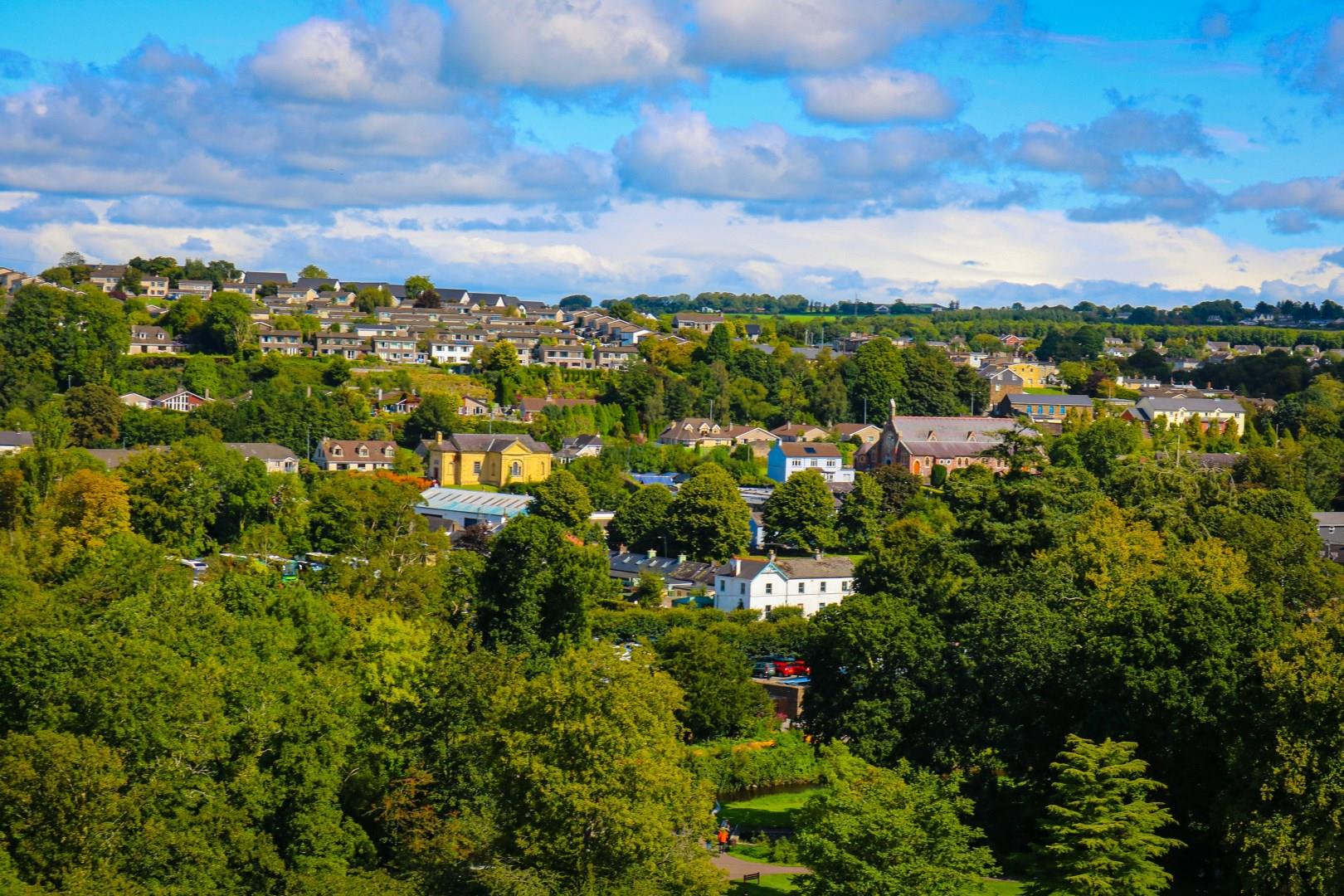
Blarney
Blarney, a village just outside Cork in Ireland, is best known for its legendary Blarney Castle, where travelers from around the world come to kiss the famous Blarney Stone.

Qaqortoq
The largest town in South Greenland, Qaqortoq is known for its colorful houses and vibrant art scene.

St. Barthelemy
St. Barthélemy, often called St. Barts, is a small French Caribbean island known for its blend of natural beauty, refined luxury, and vibrant culture.

Havana
Havana, Cuba's vibrant capital, is a city where the past and present coalesce to create an unforgettable travel experience. Walking through Old Havana (La Habana Vieja), a UNESCO World Heritage site, feels like stepping back in time. The cobblestone streets are lined with pastel-colored colonial buildings, baroque churches, and iconic plazas, such as Plaza de la Catedral and Plaza Vieja, each with its own unique charm and history.
