
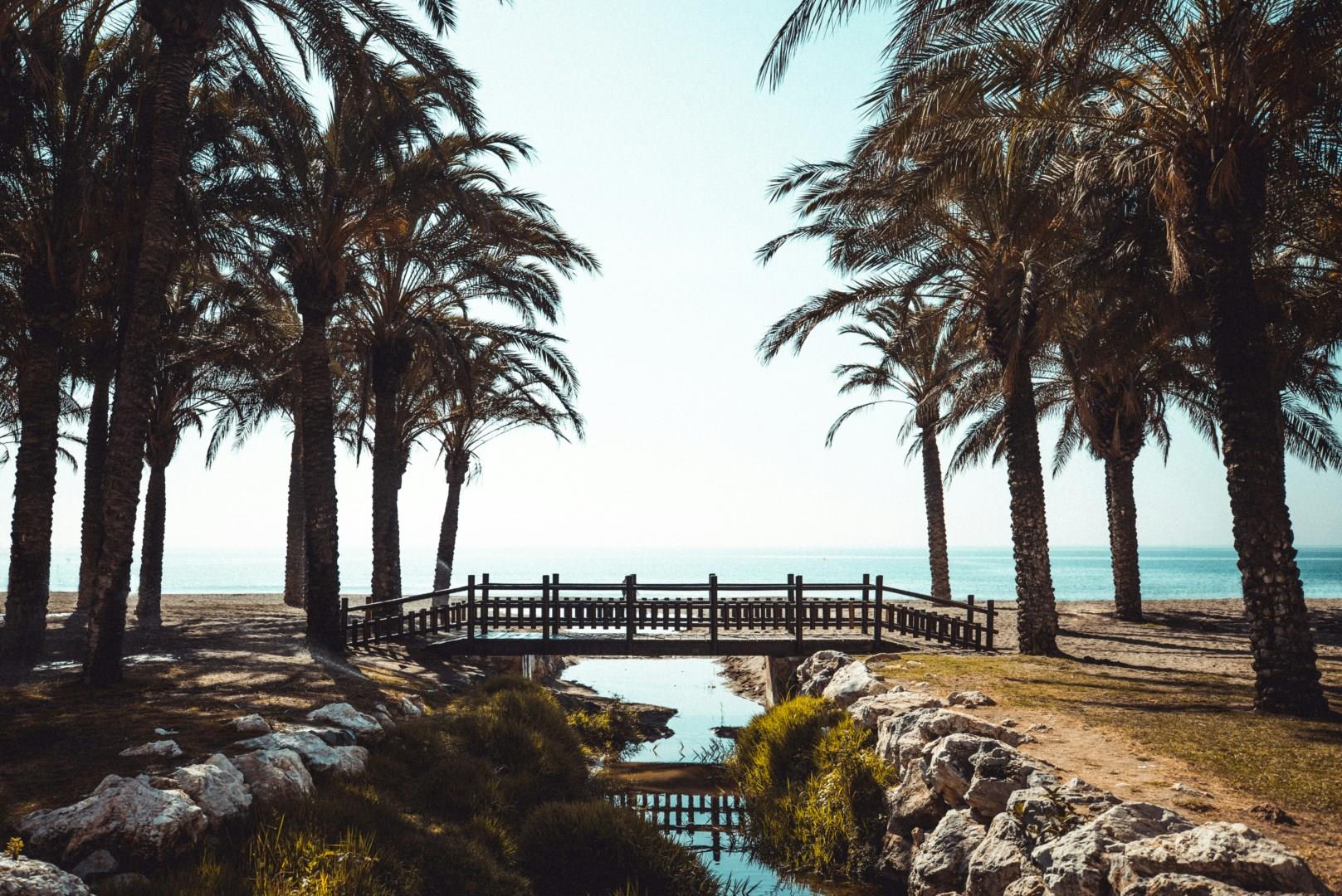
Torremolinos
Torremolinos, on Spain’s Costa del Sol, has transformed from a small fishing village into one of the region’s most vibrant seaside towns. Just a short drive from Málaga, it became famous in the mid-20th century as one of the first international beach destinations in Spain, attracting artists, celebrities, and travelers in search of sun and sea.

Laos
Laos, a landlocked country in Southeast Asia, is known for its lush landscapes, winding rivers, and rich Buddhist culture. The Mekong River flows along much of the country’s western border, offering both vital transportation routes and scenic vistas. Rolling hills, dense forests, and limestone karsts provide opportunities for hiking, kayaking, and exploring remote villages.

Wales
Wales is a country where centuries-old castles rise above green valleys and coastlines are marked by rugged cliffs and quiet coves. Its capital, Cardiff, combines modern architecture with historical landmarks like Cardiff Castle, which has Roman origins and a Victorian Gothic interior. Just outside the city, St Fagans National Museum of History offers a walk-through experience of Welsh life over the past 500 years, with original buildings relocated from across the country.
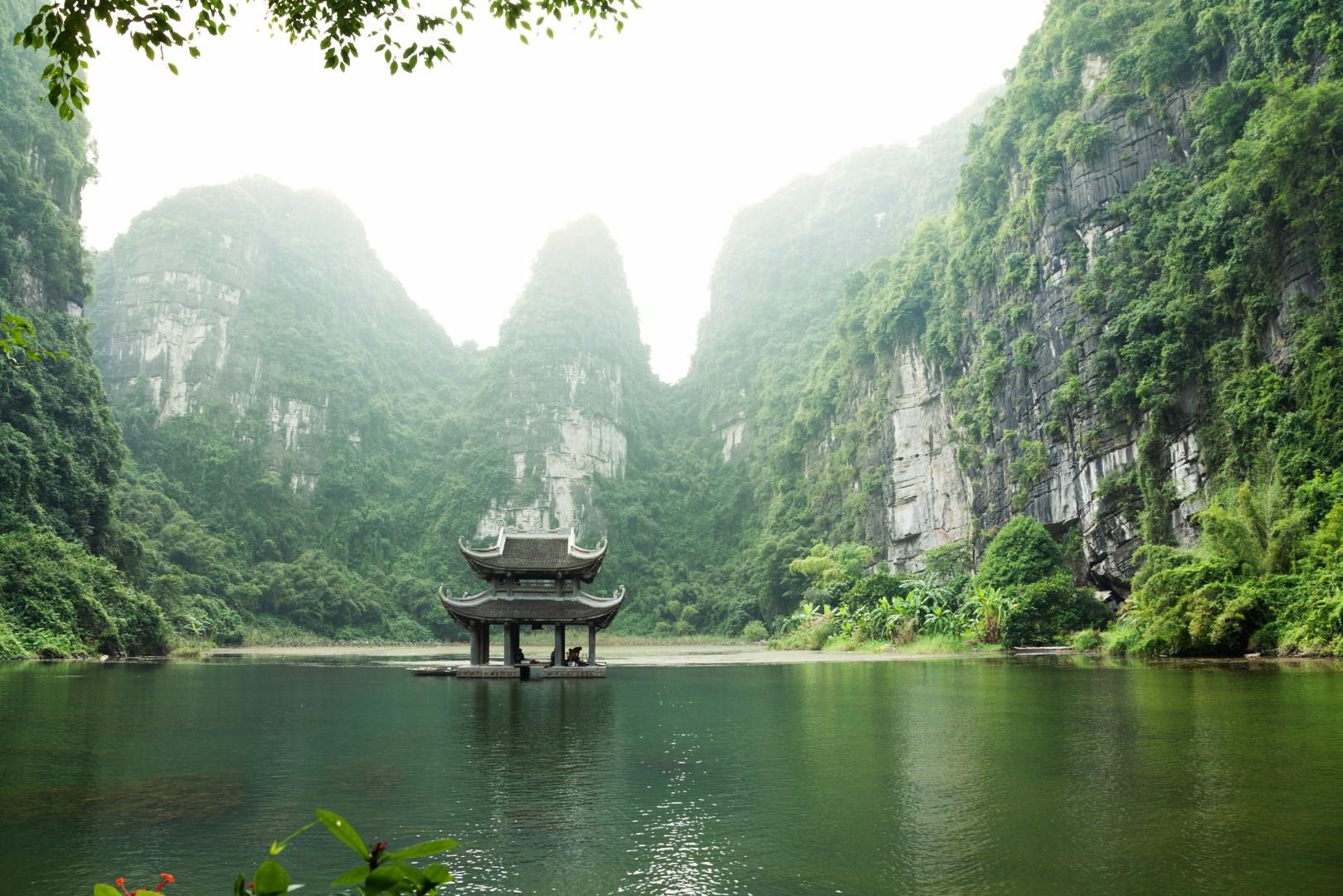
Ninh Binh
Ninh Binh, located about 100 kilometers south of Hanoi, offers a landscape shaped by limestone karsts, winding rivers, and flooded rice paddies. Often referred to as “Ha Long Bay on land,” the area is best explored by rowboat. At Trang An Scenic Landscape Complex, boat routes pass through caves, ancient pagodas, and valleys surrounded by towering cliffs. Local rowers often use their feet to paddle, an unusual technique that surprises many first-time visitors.
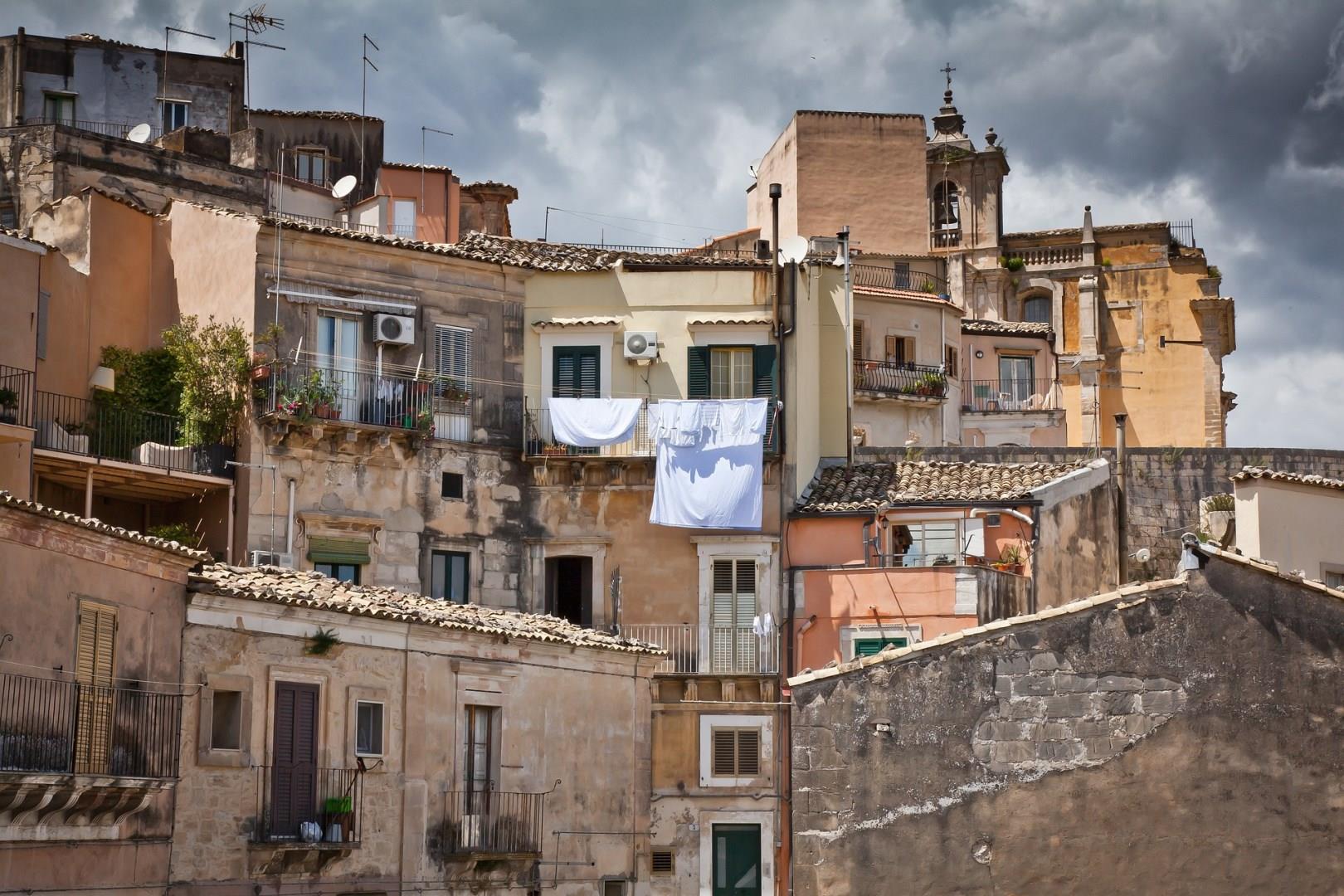
Ragusa Sicily
Ragusa, located in southeastern Sicily, is a city steeped in history and Baroque beauty, often overlooked but truly a gem for travelers seeking a unique and authentic Italian experience. Divided into two distinct parts—Ragusa Superiore and Ragusa Ibla—the city showcases a dramatic contrast between the new and old.
