
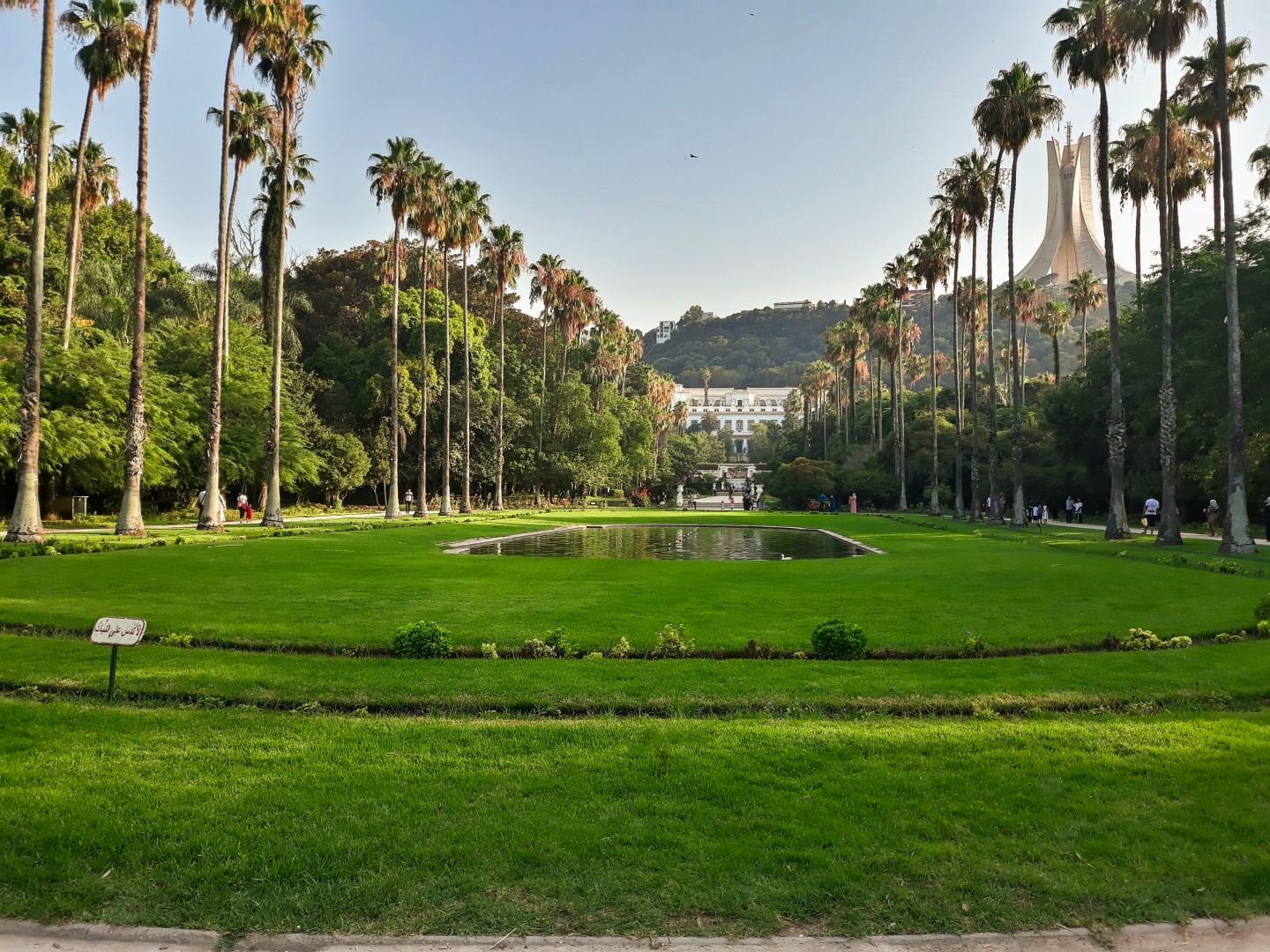
Algiers
Algiers, Algeria’s capital, is a city where centuries of history unfold along the shores of the Mediterranean. Known as “El Bahdja,” or “The Joyful,” Algiers blends striking buildings, seaside breezes, and layered stories. One of its most iconic landmarks is the Casbah, a UNESCO World Heritage site with maze-like alleyways, Ottoman-era palaces, and hidden terraces overlooking the bay. The Grand Post Office, with its striking facade and intricate neo-Moorish details, anchors the city’s downtown.

Barranquilla
Barranquilla sits near the mouth of the Magdalena River on Columbia's Caribbean side. It is a major seaport and a center of commerce, but everyone breaks loose for four days in February for one of the liveliest carnivals outside of Rio.

St. Kitts and Nevis
St. Kitts and Nevis, a twin-island nation in the Leeward Islands of the Caribbean, offers a rare combination of lush landscapes, colonial history, and vibrant local culture.

Kirkenes
Kirkenes sits at the far northeastern edge of Norway, just a few kilometers from the Russian border and not far from Finland. This Arctic town offers travelers a perspective they won’t find anywhere else in the country. With street signs in both Norwegian and Russian, and a local history shaped by war, trade, and shifting borders, Kirkenes has long stood at the crossroads of cultures.

Mikulov
Mikulov, located in the heart of South Moravia in the Czech Republic, is a picturesque town known for its rich history, stunning architecture, and exceptional wine culture. Dominating the skyline is Mikulov Castle, an elegant Baroque structure that has been a cultural landmark since the 13th century. Visitors can explore the castle’s historical exhibitions, including a fascinating display on the region’s winemaking traditions.
