

Valtice
Nestled in the wine-growing region of South Moravia, Valtice, Czech Republic, is a charming town known for its rich history and stunning architecture. The centerpiece of Valtice is the majestic Valtice Castle, a UNESCO World Heritage site that showcases an impressive Baroque façade and beautifully landscaped gardens.
Esztergom
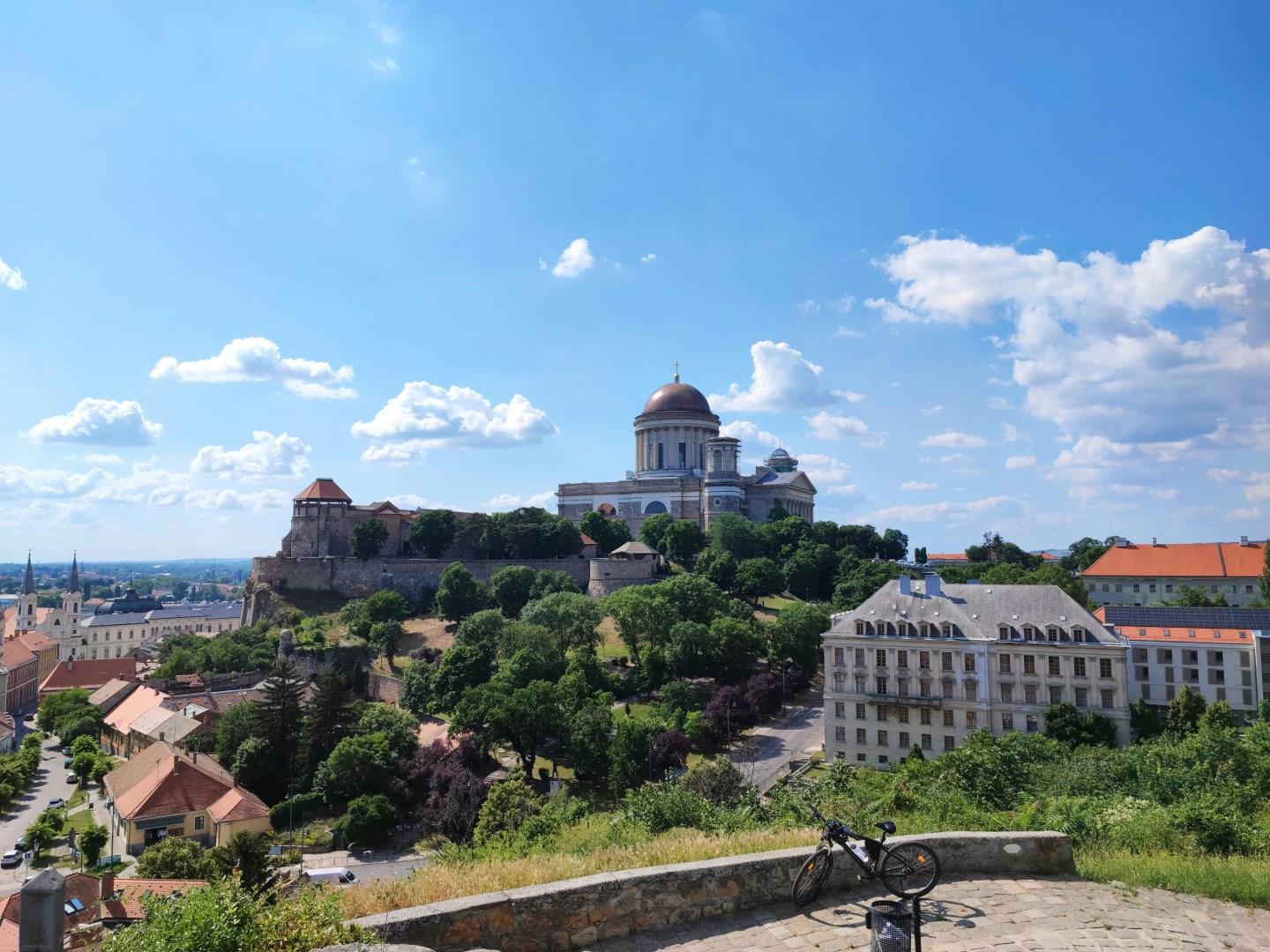
Esztergom is one of Hungary’s oldest and most historically significant towns, located along the Danube River just an hour north of Budapest. It was the country’s royal capital during the Middle Ages and the birthplace of its first king, Saint Stephen. Today, visitors are drawn to the Esztergom Basilica, the largest church in Hungary. Its dome rises over 70 meters high and offers panoramic views of the river, the surrounding hills, and neighboring Slovakia across the Mária Valéria Bridge.
Sudan
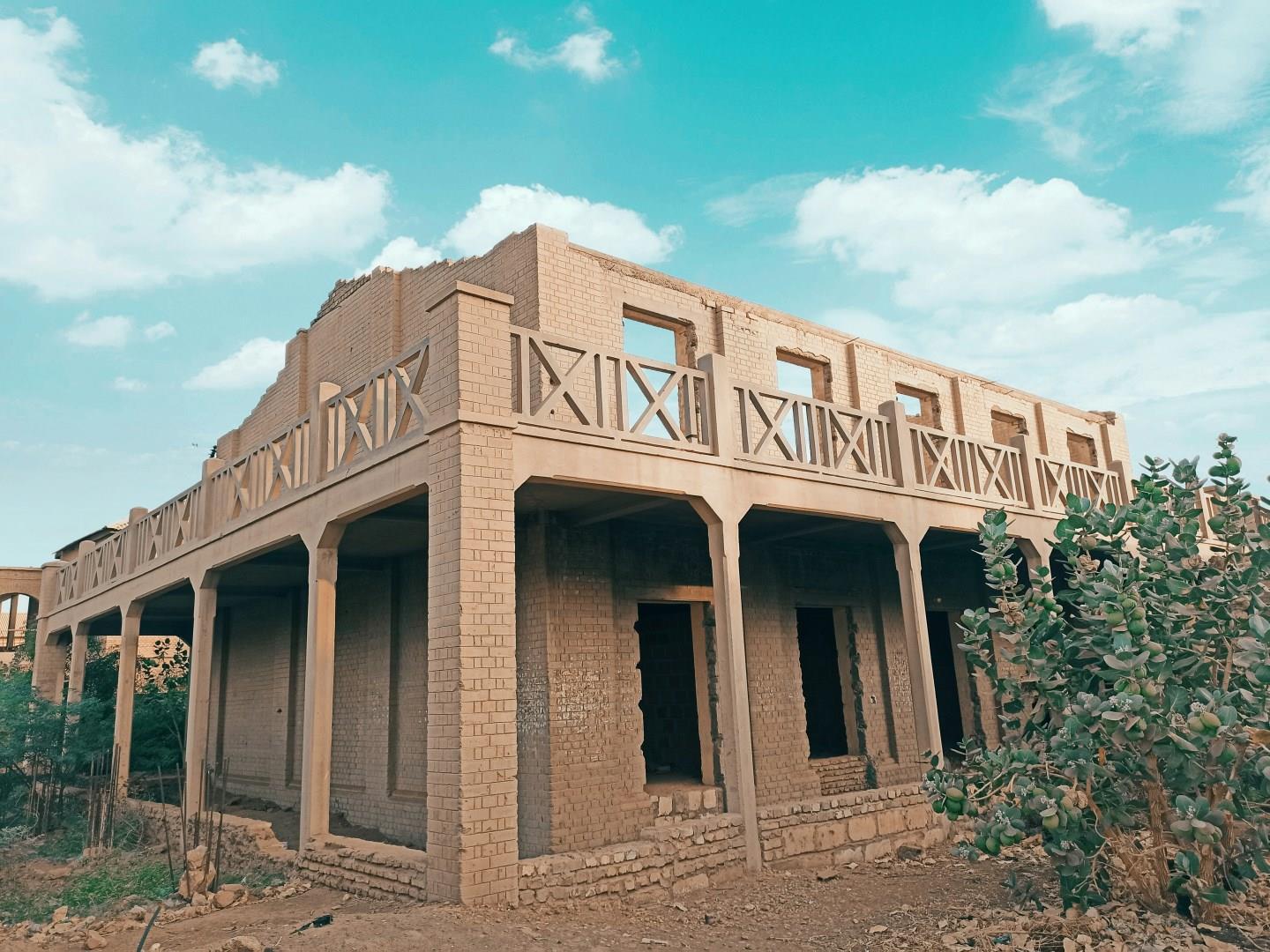
Sudan, located in northeastern Africa, is a country of diverse landscapes, from the vast Sahara Desert in the north to the fertile Nile Valley in the center. The Nile River, one of the world’s longest, runs through the country, shaping both its agriculture and history.

Ionian Sea
The Ionian Sea, a stretch of the Mediterranean nestled between Italy and Greece, offers a captivating blend of azure waters, picturesque islands, and rich history. The sea is framed by Italy's western coast and Greece's western islands, including Corfu, Kefalonia, and Zakynthos. These islands provide a gateway to some of the most stunning landscapes in the region, from the rugged cliffs of Zakynthos to the lush greenery of Kefalonia.

Manaus
Manaus, capital of Brazil’s Amazonas state, is a city that rises unexpectedly from the rainforest. Once the center of the global rubber boom in the late 1800s, Manaus still holds onto that legacy with surprising elegance. The Teatro Amazonas, an opulent opera house imported piece by piece from Europe, sits at the heart of the city, its pink façade and domed roof tiled in the colors of the Brazilian flag. Today, it hosts concerts, festivals, and curious visitors eager to step back in time.
