
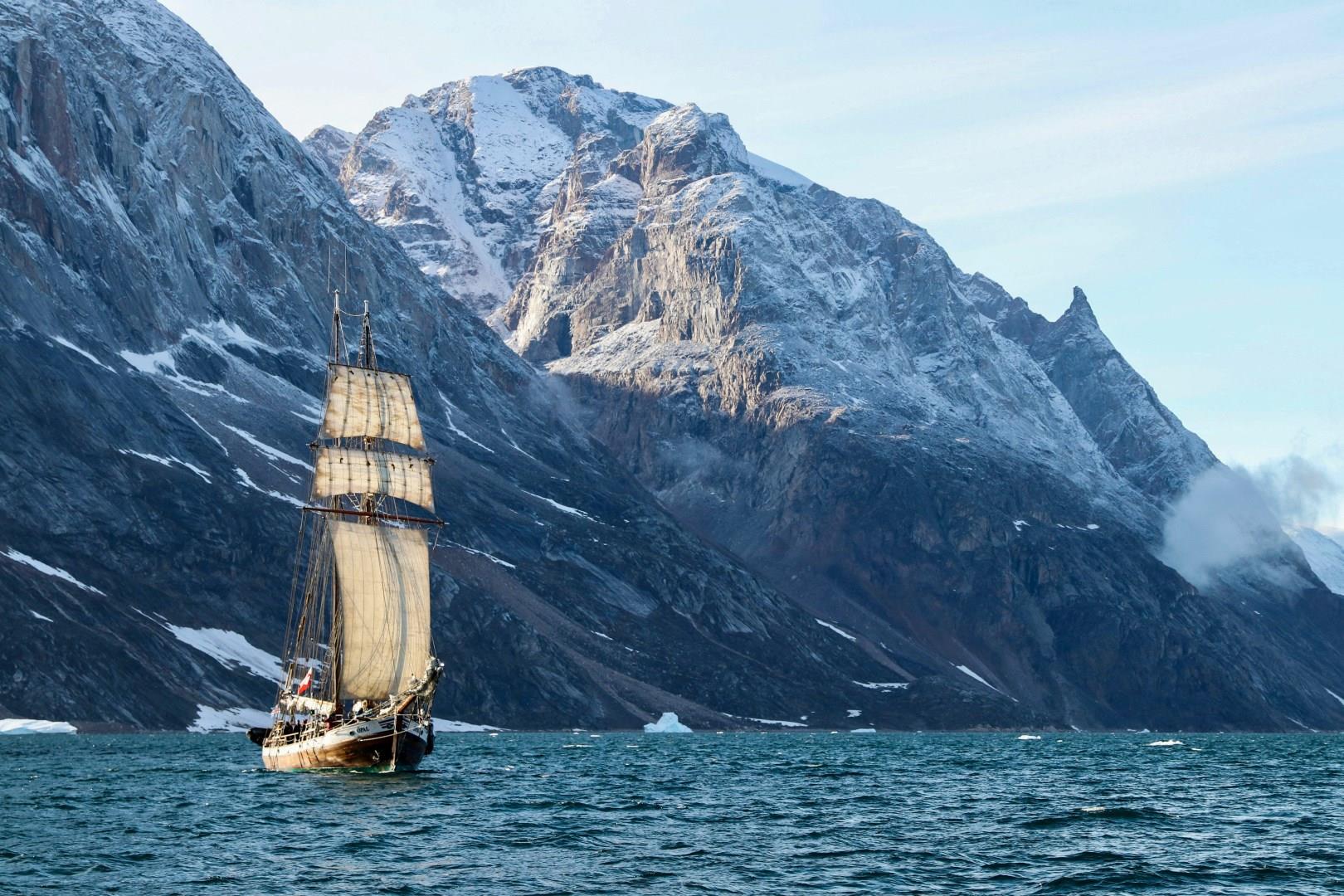
Ittoqqortoormiit
Welcome to Ittoqqortoormiit, where the stark beauty of the Arctic landscape meets a rich Inuit heritage. Located at the edge of the Scoresby Sound fjord system, this remote town offers a rare glimpse into life above the Arctic Circle. With a population of around 350 residents, Ittoqqortoormiit is a haven for those seeking solitude and adventure. Visit the Scoresby Sound to marvel at its spectacular fjords and towering cliffs, a natural wonder that’s a must-see for nature enthusiasts.

Mexico
Mexico offers the best beaches, scuba diving, nightlife, cultural attractions and cuisine in the world. Millions of people flock to this country every year for a well-needed vacation. Archaeological ruins, inexpensive shopping, and festive music are its foremost attractions.

Elba Island
Elba Island, off the coast of Tuscany, is a Mediterranean gem known for its crystal-clear waters, diverse landscapes, and historical significance. This idyllic island is the largest in the Tuscan Archipelago and offers a perfect blend of natural beauty and cultural heritage. Visitors can explore pristine beaches such as Cavoli and Procchio, where turquoise waves lap against golden sands, making it an ideal destination for sunbathing, snorkeling, and diving.

Marseille
Marseilles is an enticing port city known for its delectable seafood, breathtaking views of the Mediterranean, and diverse melting pot of cultures.

Martha’s Vineyard
Martha’s Vineyard, located just seven miles off the coast of Cape Cod, feels like a world apart. This island has long attracted artists, presidents, and vacationers seeking something quieter than the mainland. With six distinct towns, each with its own style, visitors can explore everything from the stately streets of Edgartown, once a prosperous whaling port, to the laid-back vibe of Chilmark, where stone walls and sheep pastures stretch to the sea.
