
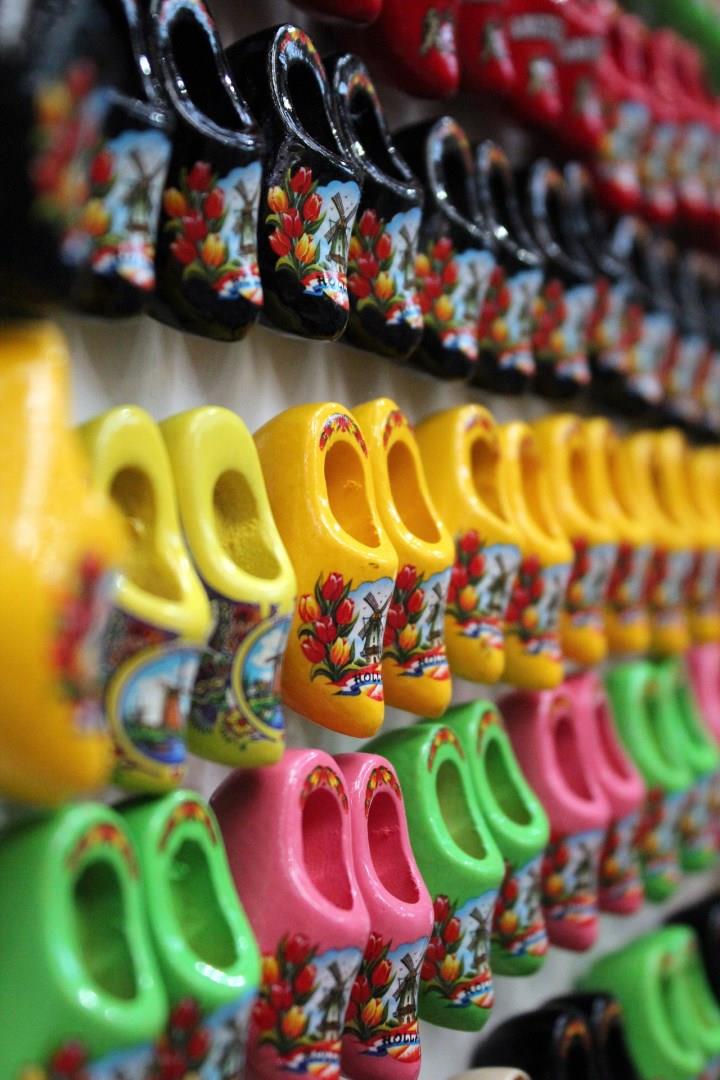
Netherlands
The Netherlands offers travelers a landscape where innovation and tradition intersect. In cities like Amsterdam, visitors can explore centuries-old canal networks and Golden Age architecture while also encountering contemporary art installations and sustainable urban design. The Rijksmuseum houses masterpieces by Rembrandt and Vermeer, while a short walk away, the Van Gogh Museum brings visitors closer to one of history’s most studied painters.
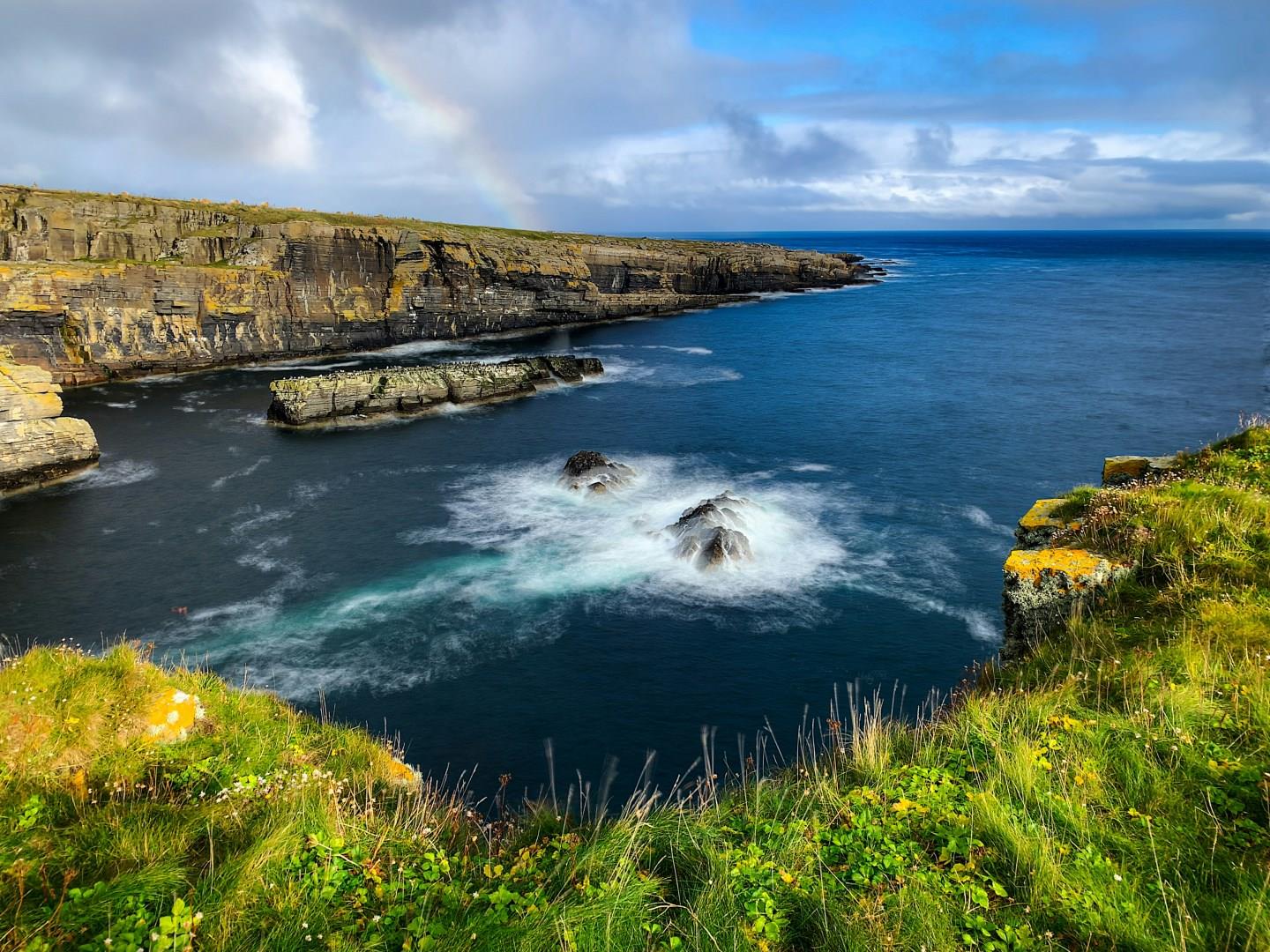
Wick
Wick’s location at the mouth of the River Wick provides a dramatic coastal setting, with cliffs, sandy beaches, and the North Sea stretching into the horizon.
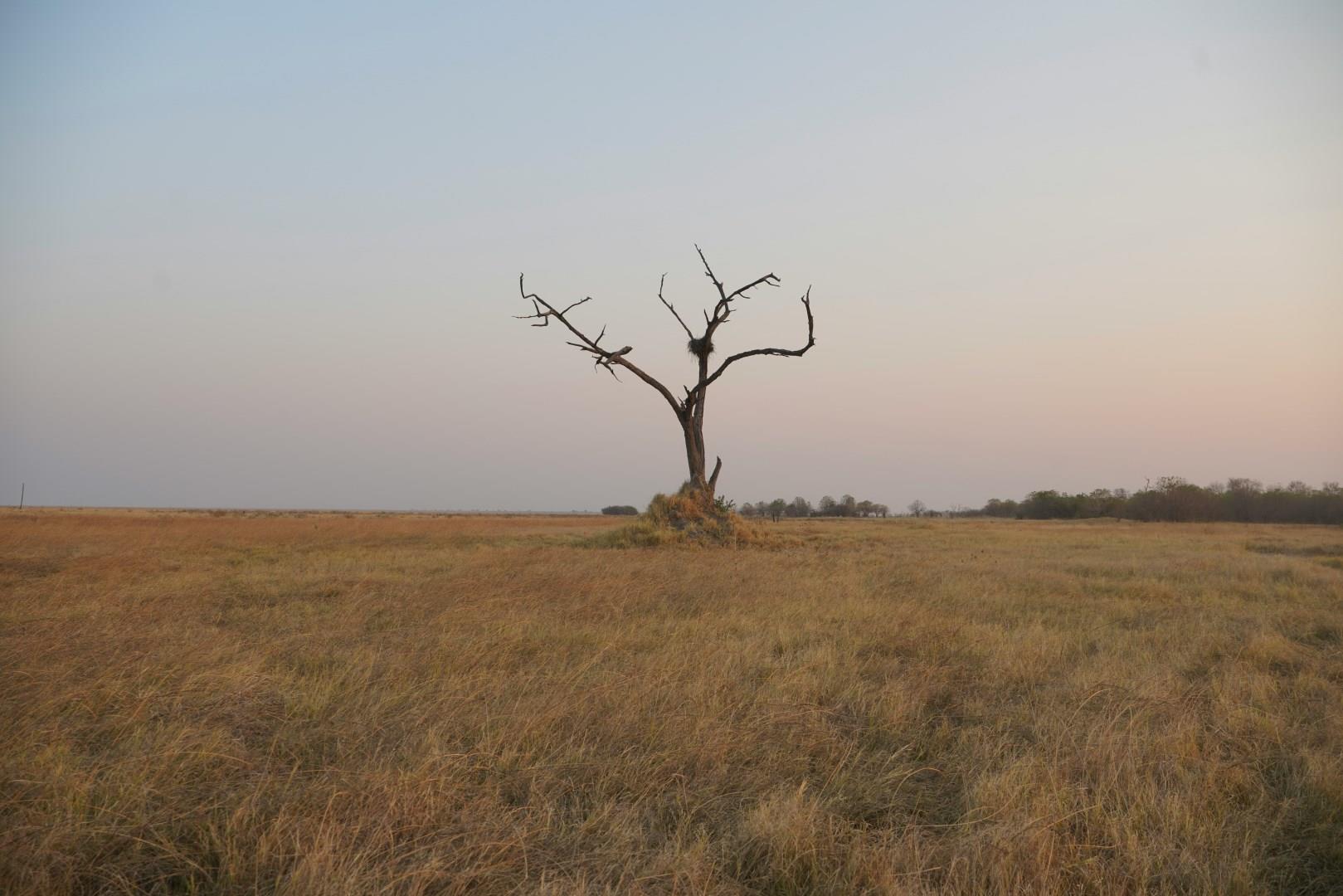
Maun
Maun, often referred to as the "tourism capital" of Botswana, is a vibrant gateway to the Okavango Delta, one of the world's largest inland deltas. Visitors can explore the nearby Moremi Game Reserve, known for its diverse wildlife and stunning landscapes, or take a scenic flight over the delta for a bird's-eye view of this spectacular UNESCO World Heritage Site.
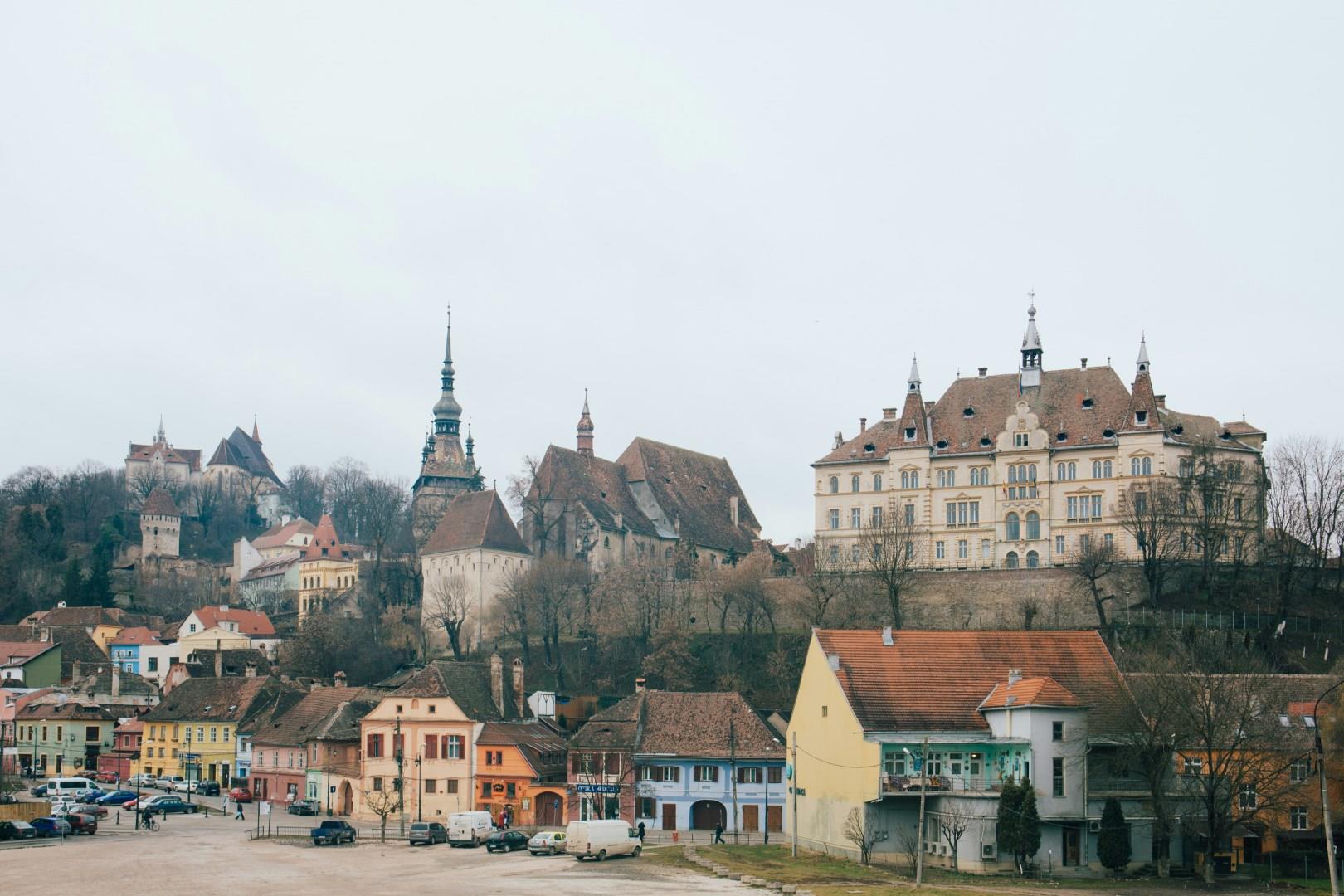
Sighisoara
Sighisoara rises above the Târnava Mare River as one of the few medieval citadels in Europe that is still lived in and admired today. Its historic center has been on the UNESCO World Heritage List since 1999, recognized for its long history as a fortified Saxon settlement and its role in trade and defense on the edges of central Europe. Wander through cobbled alleys framed by pastel-colored houses, and the layers of time feel close at hand, from the city walls and guild towers to busy cafés.
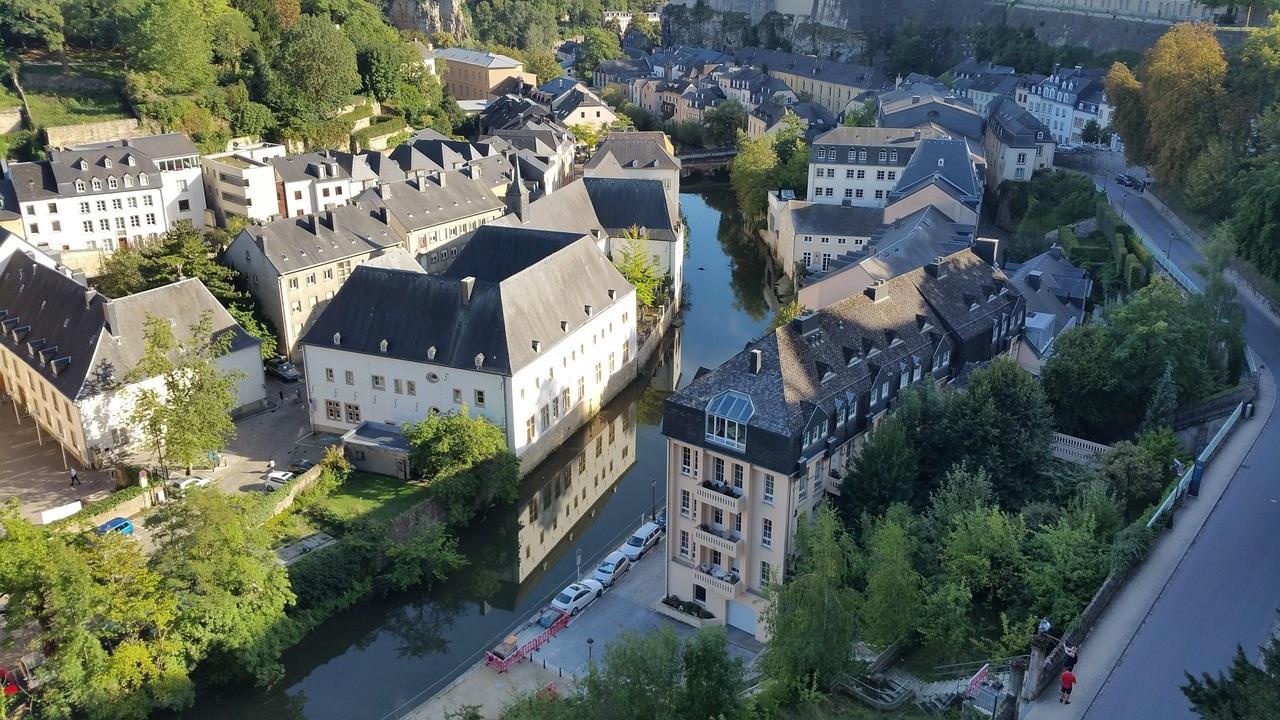
Luxembourg
Luxembourg, a small yet influential country in the heart of Europe, offers visitors a rich blend of historic sites and contemporary culture. The capital city, Luxembourg City, is famous for its dramatic cliffs and ancient fortifications that have earned it a UNESCO World Heritage status. Walking through the old quarters, visitors can explore the casemates that reveal layers of the city’s military past.
