

Swakopmund
Swakopmund, on Namibia’s Atlantic coast, is a town where desert meets ocean in striking contrast. Founded by German colonists in the late 19th century, its streets are lined with colonial-era buildings painted in pastel colors, giving the town a distinctly European feel.
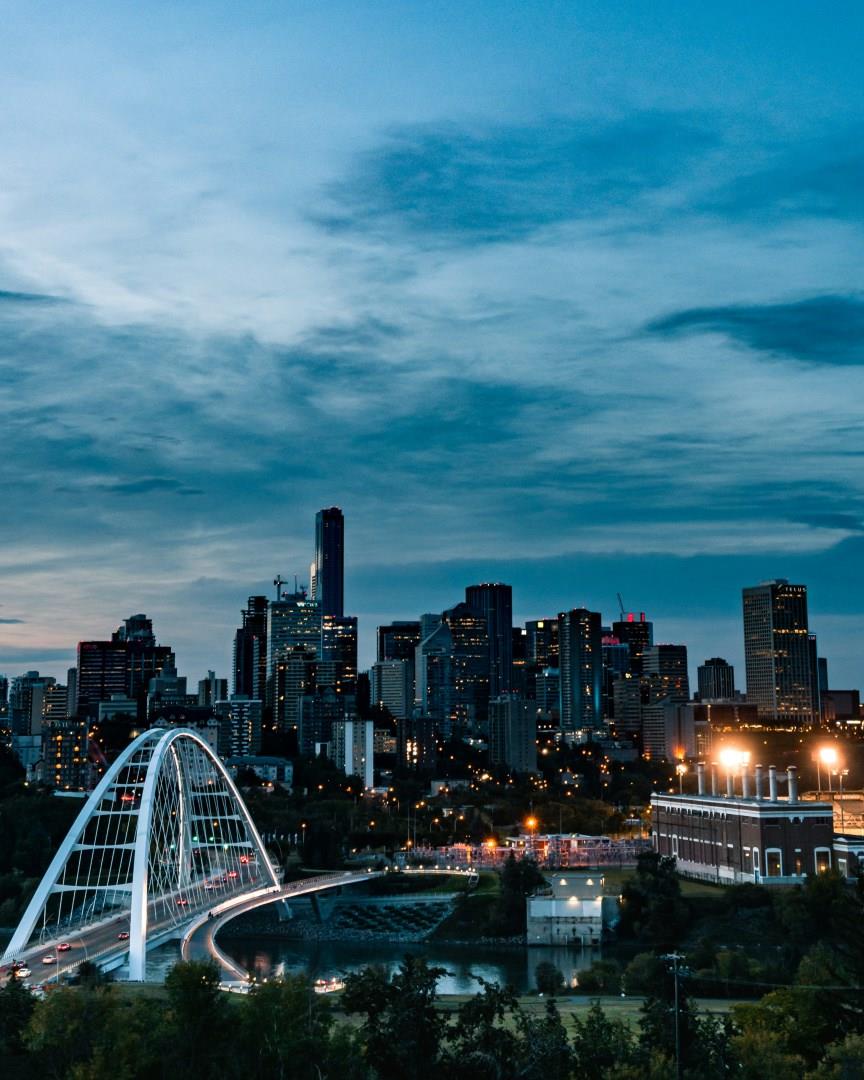
Edmonton
Edmonton, the capital of Alberta, is a city shaped by the meeting of prairie landscapes and the powerful North Saskatchewan River. With deep Indigenous roots and a history tied to fur trading posts, it has grown into a cultural and political hub of Western Canada.

French Riviera
The French Riviera, or Côte d'Azur, is one of the most iconic and glamorous coastal destinations in the world, attracting visitors from all over the world. Stretching along the southeastern Mediterranean coast of France, it is renowned for its stunning beaches, crystal-clear waters, and picturesque towns such as Nice, Cannes, and Saint-Tropez.

Washington
Washington State offers travelers a dynamic mix of landscapes, cultures, and experiences shaped by volcanoes, forests, coastline, and innovation. Seattle, the state’s largest city, is home to the iconic Space Needle, buzzing Pike Place Market, and holds deep roots in music history. Visitors can stand on the original floor of the first Starbucks, explore interactive exhibits at the Museum of Pop Culture, or catch a ferry from the city’s waterfront for a scenic ride across Puget Sound.
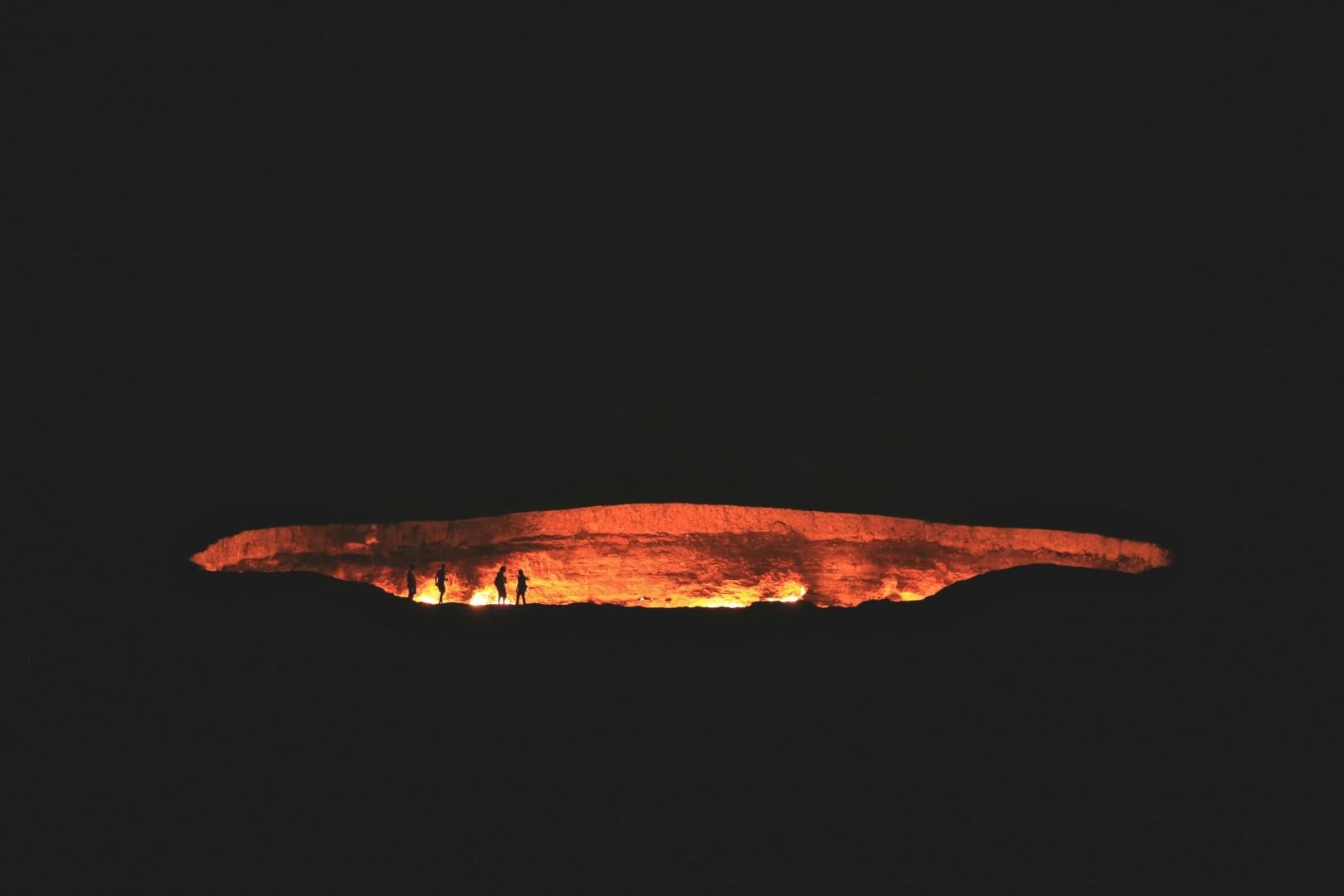
Darvaza
The Darvaza Gas Crater, famously nicknamed the “Door to Hell,” is one of Turkmenistan’s most extraordinary landmarks. Located deep in the Karakum Desert, this fiery pit has been burning continuously since the early 1970s, when Soviet engineers reportedly set fire to a collapsed natural gas field to prevent the spread of methane.
