

Saudi Arabia
Saudi Arabia is revealing chapters long unseen by tourists. Al-Ula is home to Hegra, the first UNESCO World Heritage Site in the kingdom and hosts to ancient Nabatean tombs carved in sandstone cliffs. Nearby, the mirrored Maraya Concert Hall reflects the desert sky, its design both unexpected and elegant amid the sands. Visitors can wander through narrow canyons, step inside rock-hewn facades, and feel the weight of ancient civilizations still echoing across the dunes.
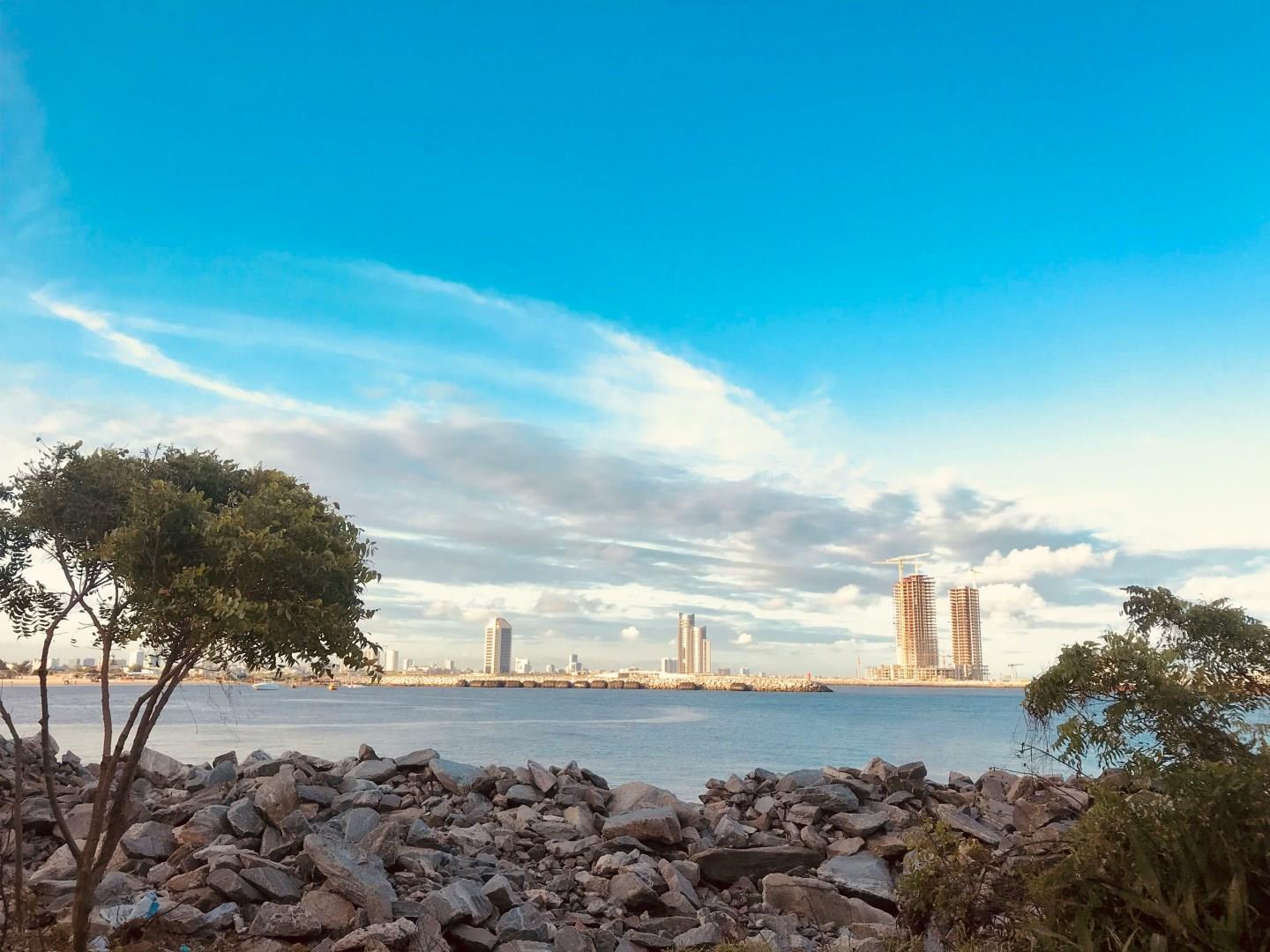
Lagos
Lagos, Nigeria’s largest city and economic hub, is located on the country’s southwestern coast along the Atlantic Ocean. It is a bustling metropolis where modern skyscrapers and commercial centers meet historic neighborhoods and lively markets.
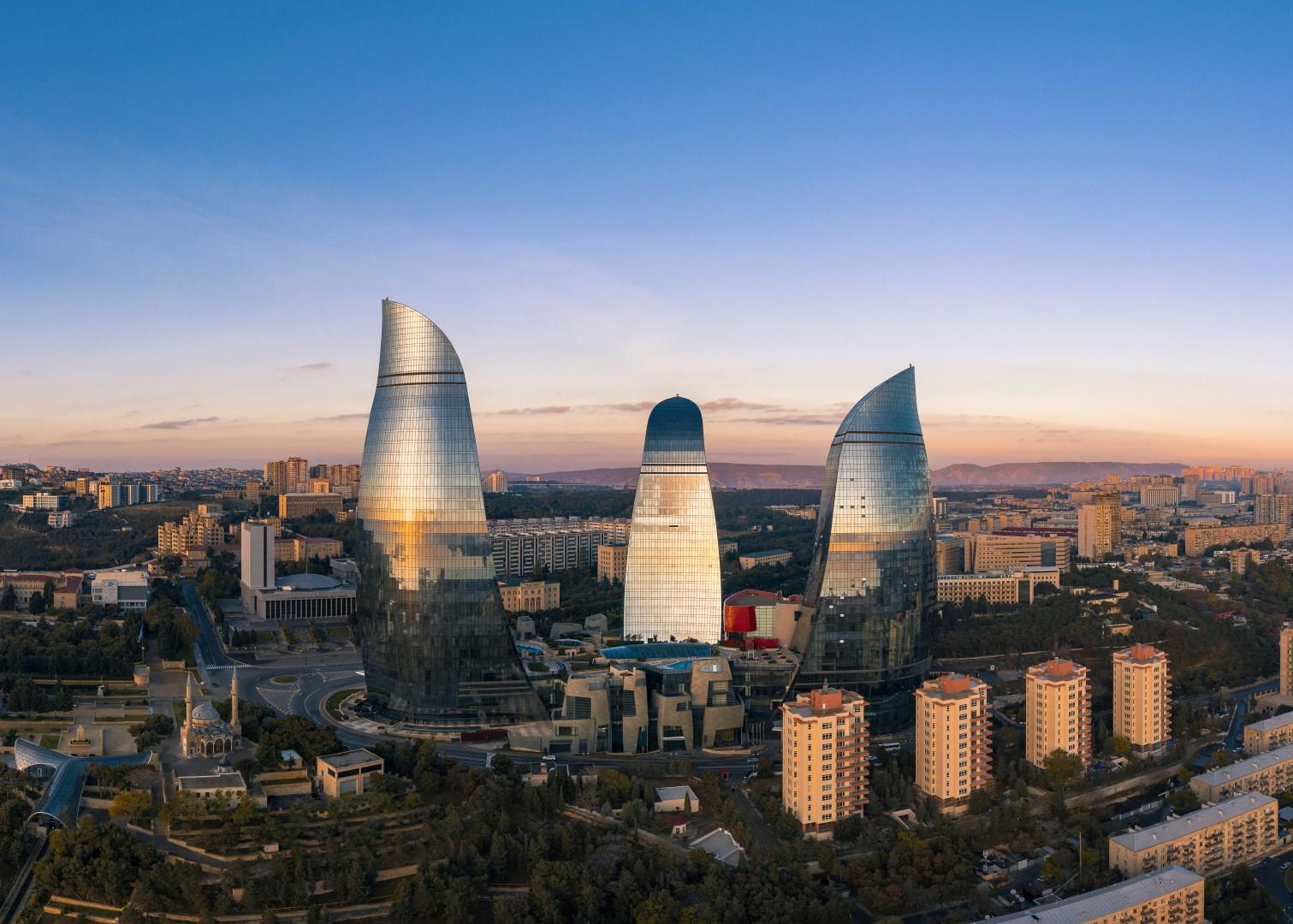
Baku
Baku, the capital of Azerbaijan, rises on the shores of the Caspian Sea as a city of striking contrasts. Its futuristic skyline, defined by the Flame Towers, glows each evening in waves of light, while the UNESCO-listed Old City preserves centuries of history within its fortified walls.

Guanacaste
Guanacaste is a province on the western coast of Costa Rica in Central America. A biodiverse paradise, this region is popular for its tropical rainforests, beaches, and a variety of adventurous activities, including ziplining and snorkeling.

Faroe Islands
The Faroe Islands, a hidden gem in the North Atlantic, offers visitors a breathtaking blend of dramatic cliffs, quaint villages, and untouched landscapes. This autonomous territory of Denmark, located between Iceland and Norway, is a dream for nature lovers and adventurers alike. The islands boast rugged coastlines, with towering cliffs like those at Vestmanna, where you can take boat tours to witness seabirds nesting on the rock faces.
